


Many women struggle to reach their fitness goals, often due to misinformation or overly restrictive plans. This guide breaks down how to eat for sustainable weight loss and muscle gain, backed by science and expert advice.
The Problem with Quick Fixes
Crash diets and extreme cleanses don’t work long-term. They can damage your metabolism, leading to rebound weight gain and nutritional deficiencies. Instead, a gradual approach – losing 1-2 pounds per week – is safer and more effective. This requires a moderate calorie deficit (around 500 calories per day) without dropping below 1,200 calories, to ensure you’re still getting essential nutrients.
Why this matters: Your body adapts to severe restrictions. “Adaptive thermogenesis” slows your metabolism, making further weight loss harder. Consistency and balance are key.
Food Quality Over Quantity
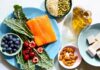
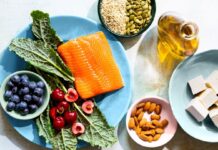
Not all calories are equal. A calorie from a processed snack is vastly different from a calorie in whole foods. Prioritize nutrient-dense options that provide energy and support muscle recovery.
- Fruits and vegetables: Essential for vitamins, minerals, and fiber.
- Whole grains: Brown rice, quinoa, and oats offer sustained energy.
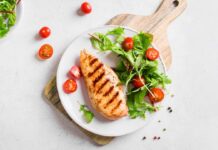
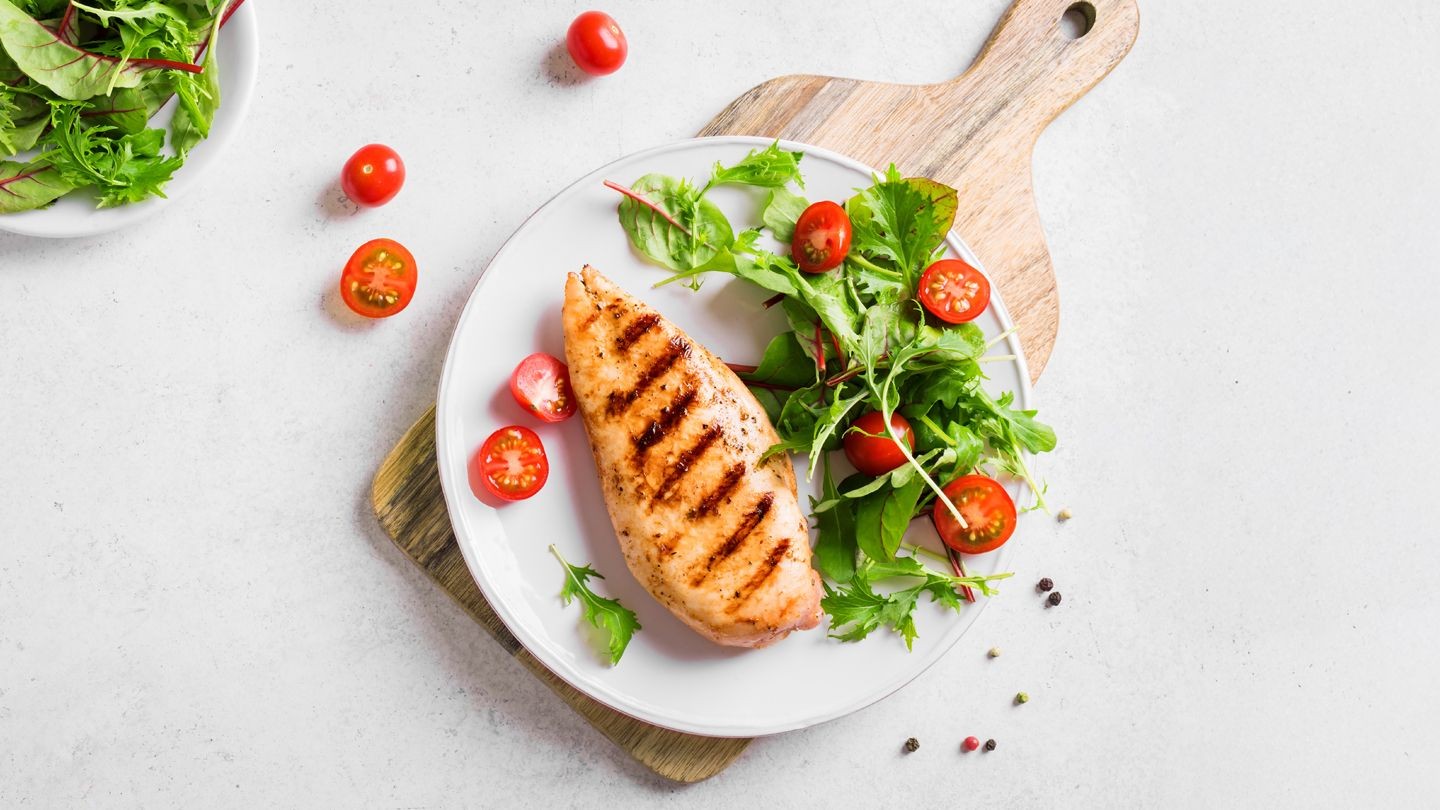
- Lean proteins: Chicken, fish, beans, and tofu fuel muscle repair.
- Healthy fats: Avocado, nuts, and olive oil support hormone balance and overall health.
The 1/4-1/4-1/2 rule: Fill half your plate with fruits and vegetables, a quarter with whole grains, and the remaining quarter with lean protein.
Exercise is Non-Negotiable
Diet alone won’t build muscle. Strength training is crucial. As Nancy Clark, a sports nutritionist, explains: “Food doesn’t make you gain muscle. You need to exercise; you need to lift weight for that.” Protein-rich foods provide the building blocks, while carbs fuel your workouts.
Foods to Limit (Not Eliminate)
While restrictive diets are unsustainable, minimizing certain foods helps. Reduce intake of:
- Refined grains (white bread, pastries)
- Processed snacks and cured meats
- Added sugars (soda, candy)
- Fried foods and unhealthy fats
- Excessive sodium
Important note: Completely banning foods often leads to cravings. Moderation is more realistic.
Sample Meal Ideas (1,400-1,600 Calories)
Here are some practical meal plans for a woman looking to shed fat and build muscle.
Breakfast: Whole-wheat toast with fruit, shredded wheat with 1% milk, coffee. Add a protein source like eggs or cottage cheese.
Lunch: Roast beef sandwich on whole-wheat bread with lettuce, tomato, and low-fat mayo, served with an apple. Or, baked chicken with a vegetable salad and brown rice.
Dinner: Salmon with a baked potato, steamed carrots, and green beans. Alternatively, a chicken taco with a corn tortilla, low-fat cheddar, guacamole, and salsa.
Hydration matters: Aim for 2.7 liters (91 oz) of water daily from drinks and food.
Why Women Face Unique Challenges
Women often struggle more with weight loss due to biological factors:
- Lower muscle mass: Men naturally have more lean muscle, which boosts metabolism.
- Fat storage: Women tend to store fat in the hips, thighs, and buttocks, which is harder to lose.
- Hormonal fluctuations: Estrogen promotes fat storage in these areas, and pregnancy/menopause can disrupt weight management.
What to do: Focus on strength training, prioritize protein, and manage stress to balance hormones.
The Bottom Line
Losing fat and gaining muscle as a woman requires a balanced approach: quality nutrition, consistent exercise, and patience. By prioritizing whole foods, staying hydrated, and understanding your body’s unique needs, you can achieve sustainable results. Consider consulting a registered dietitian for a customized plan that fits your lifestyle and medical history.