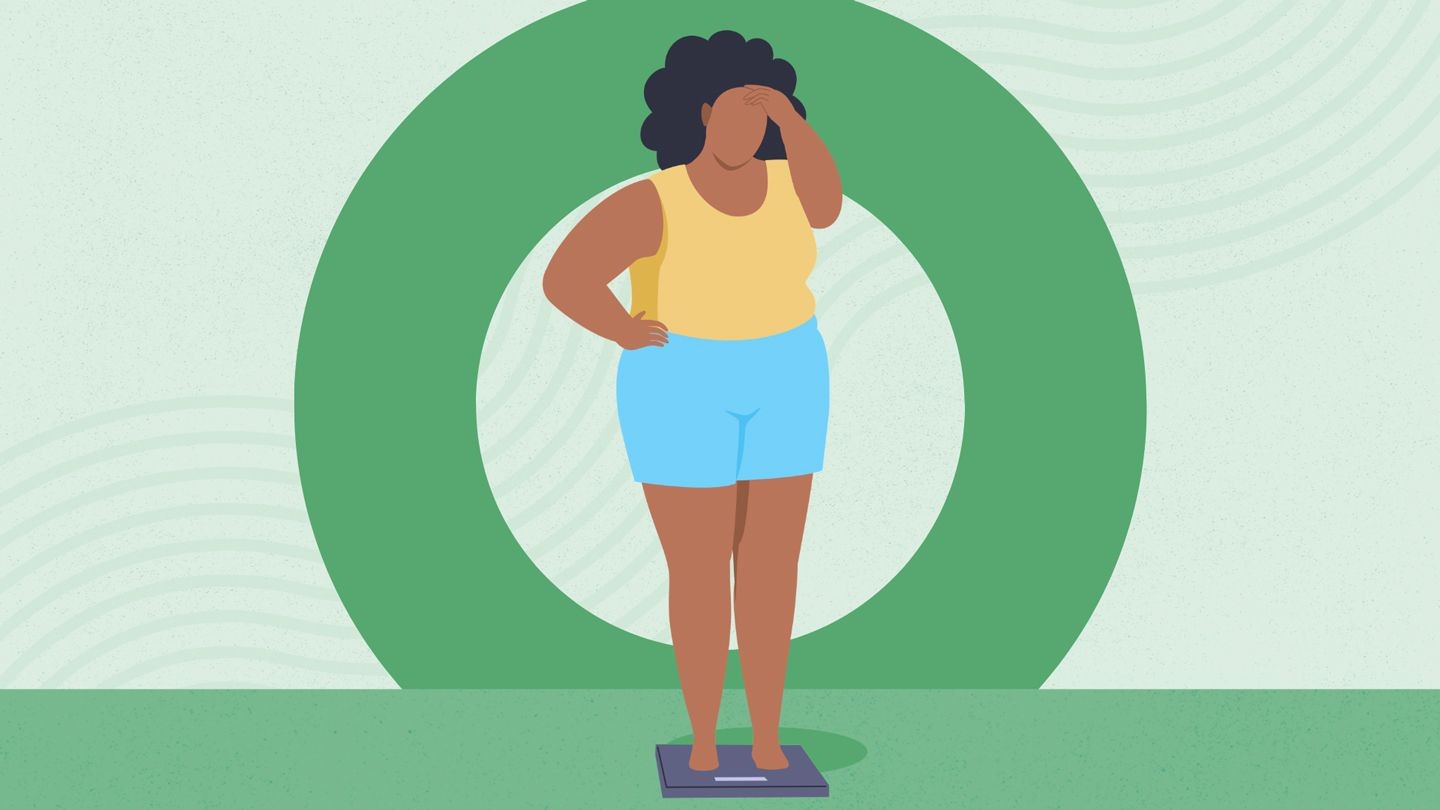
The interplay between type 2 diabetes and obesity is a deeply entrenched problem often called “diabesity.” Individuals living with both conditions often find themselves caught in a destructive loop: weight gain worsens blood sugar control, and poor blood sugar control makes weight loss harder. This connection isn’t accidental; it’s rooted in how the body responds to excess fat and how diabetes disrupts normal metabolic processes.
How Obesity Fuels Diabetes Progression
Obesity doesn’t just mean carrying extra weight; it fundamentally alters how the body handles energy. When someone has obesity, fat tissue begins to behave differently. Instead of simply storing energy, it releases free fatty acids and inflammatory chemicals that disrupt insulin signaling in the muscles and liver.
This interference forces the pancreas to work harder to produce more insulin. Over time, this constant strain exhausts the insulin-producing cells, accelerating the progression of type 2 diabetes. Even established lifestyle and medication plans may become insufficient as the disease worsens.
Here’s what happens:
- Visceral Fat and Inflammation: Deep abdominal fat triggers chronic inflammation, making it harder to stabilize blood sugar levels.
- Fat Spillover: Excess fat can invade organs like the liver and pancreas, hindering insulin function.
- Hormone Resistance: Fat cells produce leptin, a hormone meant to signal fullness. In obesity, this signal fails, leading to constant hunger.
Why Diabetes Makes Weight Loss More Difficult
The relationship isn’t one-way. Type 2 diabetes also creates significant hurdles to losing weight:
- Increased Hunger: High blood sugar can trigger stronger cravings because sugar can’t enter cells for energy, leaving the brain constantly seeking fuel.
- Physical Barriers: Fatigue and nerve pain, common diabetes symptoms, make exercise difficult or uncomfortable. Fear of hypoglycemia (low blood sugar) can also discourage physical activity.
- Medication Side Effects: Some diabetes drugs, like insulin and sulfonylureas, can promote weight gain.
Breaking the Cycle: A Combined Approach
The key to managing diabesity lies in addressing both conditions simultaneously. Lifestyle changes, weight-friendly diabetes medications, and, in some cases, metabolic surgery can improve insulin sensitivity, support weight loss, and protect long-term health.
Treating obesity and type 2 diabetes as interconnected problems – not separate entities – is essential for effective management. The most effective strategies target both issues at once, offering a better path toward sustainable health improvements.