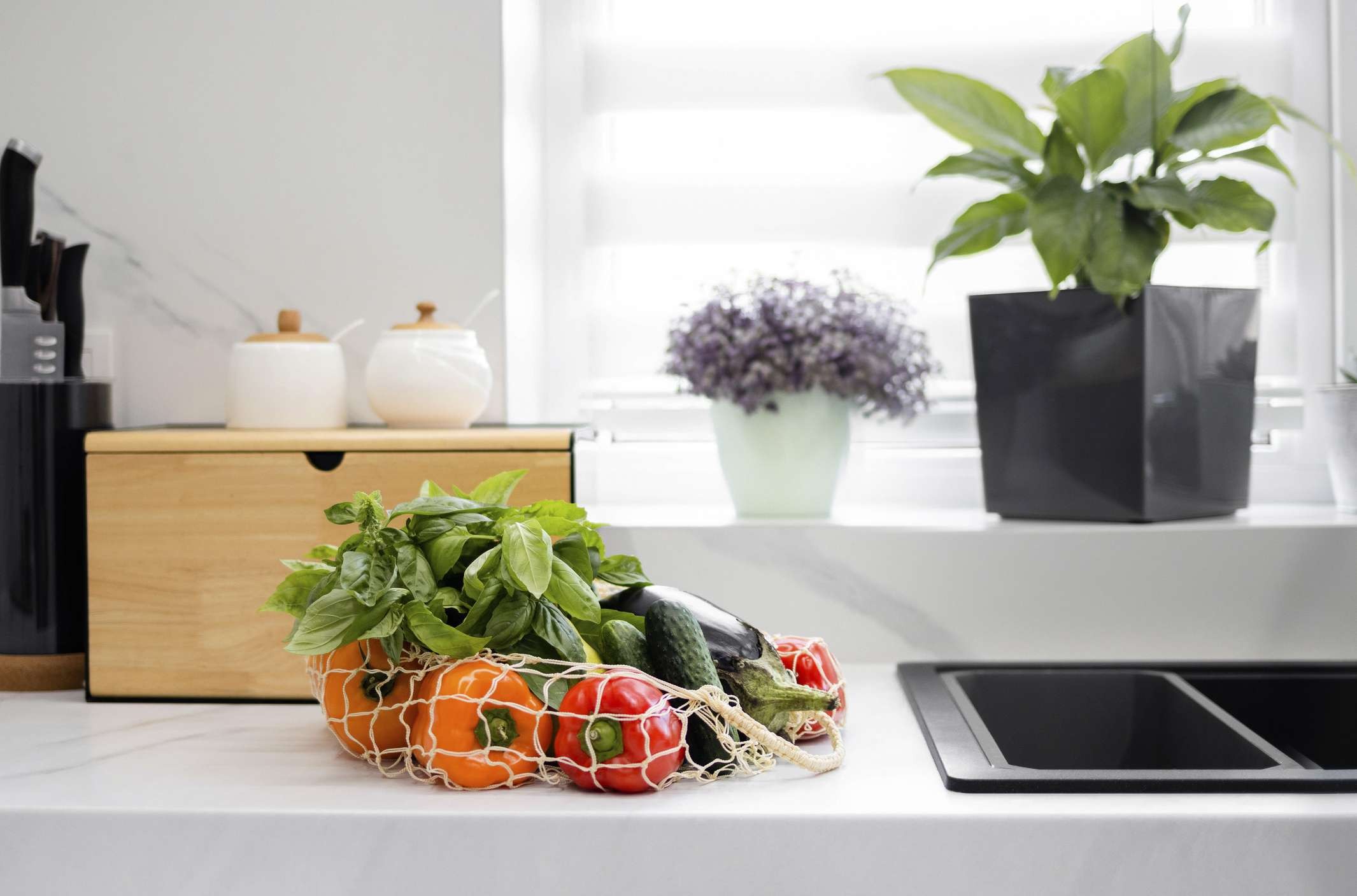
Keeping your kitchen counter clear and inviting is a common goal, but not all food plays nicely with room temperature. While items like bread, bananas, and onions are happy sitting out, many other staples rapidly lose their nutritional value, texture, or safety when exposed to ambient heat.
Improper storage isn’t just about aesthetics; it’s a matter of food safety and waste reduction. Leaving sensitive items on the counter accelerates bacterial growth—particularly Salmonella and other pathogens—and causes rapid nutrient degradation. By understanding where these foods truly belong, you can extend their shelf life, preserve their flavor, and significantly reduce the amount of food you throw away.
Here are eight common foods that should never remain on your kitchen counter, along with the science-backed reasons why they need to be refrigerated or stored differently.
1. Eggs: The Salmonella Risk
In many countries, including the United States, eggs must be refrigerated to prevent the growth of harmful Salmonella bacteria. While shell eggs in some other regions are kept at room temperature due to different washing and coating processes, in the US, once eggs are washed, their protective natural barrier is removed.
- Storage Rule: Keep whole, raw eggs in their carton in the refrigerator.
- Shelf Life: They remain safe and fresh for three to five weeks.
- Why it matters: Refrigeration slows bacterial development, ensuring the eggs remain safe to eat and cook.
2. Asparagus: Preserving Moisture and Nutrients
Asparagus is highly perishable and loses moisture quickly at room temperature, leading to limp, woody stalks. More importantly, cooler temperatures are essential for retaining vital nutrients. Research indicates that asparagus stores best between 32°F and 35.6°F (0°C to 2°C), a range where it retains higher levels of Vitamin C and other antioxidants.
- Storage Rule: Treat asparagus like a bouquet of flowers. Trim the ends, wrap them in a damp paper towel, and place them upright in a plastic bag or jar in the fridge.
- Shelf Life: Up to four days.
3. Bell Peppers: Preventing Shriveling
Bell peppers have high water content, which makes them susceptible to rapid water loss and shriveling when left on the counter. Refrigeration is necessary to maintain their crisp texture and prevent spoilage.
- Storage Rule: Store bell peppers in a plastic bag in the refrigerator to trap moisture.
- Shelf Life: They will stay fresh for up to five days.
4. Berries: Slowing Down Decay
Berries are delicate fruits that begin to decay almost immediately after harvest. Leaving them on the counter accelerates the breakdown of their natural sugars and organic acids, leading to mold and softness. Refrigeration is the key to slowing this metabolic process.
- Storage Rule: Keep berries in the refrigerator, ideally in a breathable container or their original packaging with vents.
- Shelf Life:
- Strawberries: 1–3 days
- Blackberries: 3–6 days
- Blueberries: 10–14 days (the most resilient of the bunch)
5. Potatoes: The Light and Heat Trap
Potatoes are often mistakenly left on the counter, but this exposes them to sunlight, heat, and humidity—the three enemies of potato longevity. Exposure to light causes potatoes to sprout and turn green, producing solanine, a natural toxin that tastes bitter and can be harmful in large quantities.
- Storage Rule: Store potatoes in a dark, cool, dry place, such as a pantry or cupboard. Avoid plastic bags that trap moisture; instead, use perforated plastic or paper bags to allow for airflow.
- Why it matters: Proper storage maximizes nutrient retention and prevents the development of toxic compounds.
6. Cucumbers: Maintaining Crispness
Like bell peppers, cucumbers are water-rich produce that suffer from dehydration at room temperature. Leaving them on the counter depletes their moisture, resulting in a soft, less flavorful vegetable.
- Storage Rule: Store cucumbers in the refrigerator to preserve freshness and moisture.
- Shelf Life: Consume within one week for the best texture and taste.
7. Mayonnaise: Post-Opening Safety
While unopened mayonnaise is shelf-stable due to its high acidity, once the seal is broken, the product is exposed to air and potential contaminants. To minimize the risk of food poisoning from bacterial growth, opened mayonnaise must be refrigerated.
- Storage Rule: Refrigerate immediately after opening.
- Shelf Life: The USDA recommends using opened mayonnaise within two months.
8. Sliced or Pre-Cut Produce: The Bacterial Gateway
Whole fruits and vegetables have natural skins that protect against bacteria. However, once sliced or cut, this protective barrier is broken, exposing the interior flesh to airborne bacteria and environmental contaminants. Leaving cut produce on the counter creates an ideal environment for bacterial multiplication.
- Storage Rule: Refrigerate all sliced or pre-cut fruits and vegetables immediately.
- Why it matters: Cold temperatures significantly slow bacterial growth, reducing the risk of foodborne illness.
Pro Tips: Optimizing Your Fridge Storage
Knowing what to refrigerate is only half the battle. How you store these items can further extend their life and maintain their quality.
Vegetables: High Humidity
Most leafy greens and moisture-sensitive vegetables thrive in the high-humidity crisper drawer. This setting keeps the air moist, preventing wilting and extending freshness.
Fruits: Low Humidity
Fresh fruits generally prefer a low-humidity environment. Storing them in the low-humidity crisper drawer helps prevent them from becoming too soggy or molding quickly.
Eggs: Keep Them in the Carton
Always store eggs in their original carton. The carton protects them from absorbing strong odors from other foods in the fridge and provides physical protection against cracks.
* Raw Whole Eggs: 3–5 weeks
* Hard-Boiled Eggs: Up to 1 week
* Raw Yolks/Whites: 2–4 days
Meats and Poultry: The Coldest Spot
Store raw meats and poultry in the meat drawer or on the bottom shelf of the fridge. This area is typically the coldest part of the refrigerator and prevents juices from dripping onto other foods.
* Raw Meat: Keep at or below 40°F (4°C).
* Cooked Leftovers: Store in airtight containers for 3–4 days. Airtight seals minimize bacterial growth and keep meat moist.
Seafood: Keep It Cold
Seafood is highly perishable. Store uncooked seafood at 40°F (4.4°C) or below. For optimal freshness, place it on a bed of ice in the refrigerator.
Conclusion: Proper food storage is a simple yet powerful way to ensure safety, reduce waste, and maximize the nutritional value of your groceries. By moving these eight items off the counter and into the right spot in your fridge, you’ll keep your food fresher for longer and your kitchen safer.