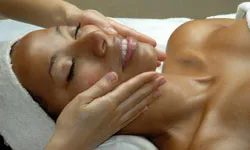
Try naming one person you know who is completely satisfied with their complexion. It’s harder than it sounds. Even celebrities with flawless, glowing skin will likely point out invisible crow’s feet or barely visible freckles that you can’t see from three feet away. This universal dissatisfaction is exactly why the facial industry is booming. Most people wouldn’t turn down a chance to improve their skin or just enjoy an hour of relaxation while sweet-smelling lotions are applied to their face.
People visit spas for various reasons. Most treatments follow a standard routine: cleansing, exfoliation, extraction, massage, a mask, and moisturizer. The order might change, but the components are usually there. Beyond that baseline, services vary wildly. If you just want a skin pick-me-up and some quiet time, you have plenty of basic options. But what happens when you have a specific problem to solve?
Corrective facials target issues ranging from acne to premature aging. Spa menus list impressive benefits, but remember these services are not FDA-regulated. Dermatologists remain skeptical about long-term results. At best, you can expect temporary improvement. A good facialist will help you understand your skin type and teach you how to care for it daily. Keep expectations realistic. No spa can offer a permanent cure. If you anticipate a miracle, you will be disappointed.
Here are common outcomes for targeted treatments. Always insist on a full skin analysis before any procedure begins.
Clearing Up Acne
Acne-prone skin needs thorough deep-pore cleansing. The goal is to remove impurities and reduce excess oil. Antibacterial products help during this process. A proper acne facial emphasizes exfoliation. Some spas use microdermabrasion for this step. You should expect significant extractions. This part is rarely comfortable. Steaming is often included to open pores. Salicylic acid or glycolic acid masks follow. These acids help heal existing breakouts and prevent new ones.
Mopping Up Oil Slicks

Moisturizing the Cracked Canvas
Dry skin facials are not just about slathering on heavy creams. Sure, the process involves rich, oil-packed cleansers and intense hydration. But skipping exfoliation is a mistake. You need to clear away the dead, flaky layer first. Otherwise, the moisturizer just sits on top.
Gentle exfoliation is the key. It removes the barrier. It primes the skin.
Often, a facialist will apply a specific product and then cover the face with a rubberizing mask. This technique forces the active ingredients deeper into the dermis. It is not just surface-level care. It is about making sure that moisture actually stays there.
Galvanic Facials: Power and Penetration
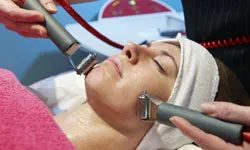
Galvanic facials use a different mechanism entirely. They rely on electrical currents. The aesthetician massages the face with a special device that emits a low-level electric charge.
This current does two things. First, it calms inflammation. Second, it drives products into the skin much deeper than manual massage ever could.
Is it overkill for some? Maybe. But galvanic facials work on dry skin, oily skin, acne-prone complexions, and aging skin. The versatility is the selling point. It is not a one-size-fits-all solution, but it is a high-tech option for those who want maximum absorption of their serums.
Evening Out Pigmentation
Uneven pigmentation affects almost every skin type. You see it in blotchiness. You see it in general discoloration. Facials aimed at this issue focus on calming the skin first.
Irritation often worsens pigmentation. So, gentle techniques and natural products are the starting point. These treatments soothe redness. They reduce the inflammatory response that can trigger more melanin production.
For specific issues like rosacea, the ingredient list gets more targeted. Look for green tea. Cucumber helps. Oatmeal is a staple. Olive oil provides a lipid barrier.
If the pigmentation is stubborn, standard facials might not cut it. Some treatments integrate intense pulsed light (IPL) sessions. Others use laser treatments. These target damaged capillaries directly. They are more aggressive. They require more downtime. But they are effective for those who have tried the gentle route and failed.
Results from Relaxation
Why does stress matter for your face? It matters because it changes your biology.
Uneven skin tone, particularly the flushing associated with rosacea, is often stress-related. Cortisol plays a role. Blood flow changes.
The relaxation aspect of a facial is not just a perk. It is therapeutic. The massage lowers stress levels. It reduces the physiological triggers for redness and uneven tone.
You cannot meditate your way out of a pore issue. But you can relax your way into a calmer complexion.
Erasing Signs of Age
Aging is inevitable. Skin laxity is real. Fine lines do not vanish because you want them to. But a facial can address the early signs.
Collagen production slows down with age. A professional treatment can stimulate circulation. It can boost cell turnover. It buys you time.
The goal is not to look twenty again. The goal is to look like your best self at your current age. That requires consistency. It requires the right ingredients. And it requires
The anti-aging facial industry is massive. It’s built on the promise of reversing time. Spas promise to erase wrinkles, pump moisture into dehydrated cells, boost circulation, and generally perk up the skin. You can walk into almost any clinic and find a dozen variations on this theme. The menu is endless.
Here is what you will typically encounter on that list:
– Microdermabrasion
– Brisk massages
– Vitamin-infused serums
– Glycolic-acid peels
– Laser treatments
– Collagen creams
– Light therapy
Let’s be honest. You are not walking out of there looking twenty years younger. That’s not how biology works. But if you are okay with a temporary rejuvenated appearance—paired with that hour of quiet relaxation we keep talking about—it’s probably money well spent.
How Anti-Aging Facials Actually Work
The term “anti-aging” is marketing shorthand. It’s not about stopping the clock. It’s about slowing the visible signs of wear and tear. The goal is immediate gratification. The results are usually short-term.
Microdermabrasion works by physically exfoliating the top layer of skin. It removes dead cells. This makes the surface look smoother immediately. Glycolic-acid peels do something similar chemically. They dissolve the glue holding dead skin cells together. The result? Brighter skin. For about a week.
Collagen creams are a different story. The molecules in most over-the-counter creams are too large to penetrate deep into the dermis. They sit on top. They moisturize. They don’t rebuild structure. Light therapy and lasers can stimulate collagen production deeper in the skin, but the effects are subtle and require maintenance.
Why You Should Manage Expectations
There is a gap between spa promises and dermatological reality. Many treatments offer temporary fixes. The “glow” you see is often just hydration and exfoliation. It washes off. Or fades. Within days.
Does this mean it’s a waste? Not necessarily.
The real value isn’t in reversing age, but in the ritual of care.
The hour of quiet relaxation is the main product. The reduction of stress lowers cortisol. Lower cortisol can actually help skin health over time. So the benefit is holistic. Not just cosmetic.
Which Treatments Offer Lasting Benefits?
If you are looking for more than a temporary fix, laser treatments and chemical peels have the strongest evidence for long-term improvement. They damage the skin just enough to trigger a healing response. That response includes new collagen.
But even then, the results are incremental. They accumulate over months. Not overnight.
Microdermabrasion is less invasive. It’s safer for sensitive skin. But it offers minimal long-term structural change. It’s a polish. Not a renovation.
The Bottom Line
Anti-aging facials are a service industry product. They are designed to make you feel good. Visually and emotionally. The physical changes are real but temporary. If you accept that limitation, you’re getting what you pay for.
If you want permanent change, you need consistent, daily skincare. Sunscreen. Retinoids. A healthy diet. The spa is a supplement. Not a solution.
So, is it money well spent