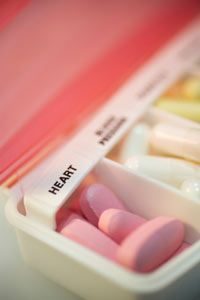
The heart is a muscular pump. Its strength matters. Inotropic drugs change that strength. They alter the force of the heart’s contractions. There are two main types. Negative inotropic drugs slow the heart down. Positive inotropic drugs speed it up. Both treat serious heart conditions. But they work in opposite ways.
The secret lies in calcium. It flows inside heart muscle cells. This mineral drives the squeeze. Electrolytes control this flow. Sodium. Potassium. Chloride. Magnesium. We need them in balance. Food and drink provide these minerals. They sit in our blood. In our urine. Inside our cells. Outside our cells.
These substances carry an electrical charge. They conduct impulses. Electricity triggers muscle movement. The heart is muscle. If the electrolyte levels drift too far from their narrow range, the heart stumbles. The difference between fluid inside and outside the cell creates voltage. That voltage generates the beat. Calcium specifically amplifies or dampens this signal. Positive drugs raise calcium levels in cells. Negative drugs lower them.
Positive Inotropic Drugs and Heart Failure
Positive inotropic drugs help when the heart fails to pump adequately. They assist after heart attacks. They aid in various heart diseases. The goal is to increase the force of each beat. Doctors divide these drugs into four groups. One group stands out for routine use.
Digoxin is the most common prescription. It comes from the digitalis family. It strengthens the failing heart. Patients already taking diuretics often use it. Diuretics remove excess water and sodium. Digoxin works alongside them. It also pairs with ACE inhibitors. These drugs widen blood vessels. Together, they improve symptoms.
Other positive inotropic drugs are riskier. They are reserved for acute or end-stage heart failure. Long-term use worsens outcomes. It can increase the risk of death. A short-term benefit might justify the risk. But chronic use is dangerous.
Administration varies. Some are pills. Some are intravenous. IV drugs go directly into a vein. Usually the arm. Patients who fail other treatments may receive them intermittently. This is intermittent therapy. Doctors advise stopping the drug every six months. Test if the patient still needs it.
The Danger of Digoxin Toxicity
Digoxin poisoning is common. The margin for error is thin. Doubling or tripling the usual dose triggers trouble. The heart may beat abnormally. Severe toxicity requires stopping the drug. Potassium supplements help. Anti-arrhythmic drugs help. In extreme cases, antibody fragments counteract it. These fragments bind specifically to digoxin. They neutralize it.
Negative Inotropic Drugs Lowering the Workload
Negative inotropic drugs reduce the heart’s effort. They decrease the rate of the heartbeat. They weaken the strength of the contraction. Less blood pumped. Lower blood pressure. Less oxygen used by the heart. The electrical activity in the heart also drops.
This reduction makes them useful for high blood pressure. They treat angina. Angina is chest pain from heart disease. They help after heart attacks. Their effect on electrical activity treats arrhythmia. Irregular rhythms. Some treat heart failure too.
This seems contradictory. A weaker heart needs help. Why give a drug that weakens it further? Beta-blockers are negative inotropic drugs. Studies show they improve heart function in certain heart failure types. They improve symptoms. They boost exercise performance. They increase survival.
There are three classes of these drugs.
- Beta-blockers treat high blood pressure. Heart attacks. Chest pain. Irregular rhythms.
- Calcium-channel blockers treat high blood pressure. Chest pain. Irregular rhythms.
- Centrally acting sympatholytics treat high blood pressure.
Side Effects of Beta-Blockers
Beta-blockers have a specific side effect profile. Common issues include drowsiness. Fatigue. Cold hands and feet. Weakness. Dizziness. Dry mouth. Dry eyes. Dry skin.
Less common reactions are more severe. Wheezing. Trouble breathing. Shortness of breath. Slow heartbeat. Sleep troubles. Vivid dreams. Swelling of hands and feet.
The heart is complex. It balances electrical signals and chemical balances. Inotropic drugs tip this scale. Sometimes up. Sometimes down. The right drug fits the specific failure. The wrong one adds risk. We continue to monitor how these chemicals interact with our biology. The balance remains delicate.
Why Understanding the Mechanics Matters
You have already seen how the heart, lungs, kidneys, and blood interact under stress. You also know how conditions like fluid overload, edema, orthopnea, and jugular venous distension signal trouble. But knowing the symptoms is only half the battle. The other half is understanding the tools used to manage these issues.
This means looking at the mechanics behind ultrafiltration, the action of vasodilator drugs, and the role of diuretics. It also involves examining the impact of low-sodium diets on heart failure progression.
The American Heart Association and the Heart Failure Society of America provide extensive resources on these topics. The National Institutes of Health tracks the latest research. But raw data needs context. You need to know what works, what is fading, and what is still experimental.
The Shift in Treatment Targets
For years, the goal in treating congestive heart failure (CHF) was simple: make the heart pump harder. This relied on positive inotropic therapy.
Older studies asked a blunt question. Are medical miracles or misguided medicinals?
The answer, over time, became clear. Inotropic infusions for chronic CHF often carry more risk than benefit. They can increase heart rate and oxygen demand. This strains a heart that is already struggling. The treatment targets shifted.
Today, the focus is less on forcing contraction and more on managing volume and afterload. Acute decompensated heart failure requires different targets than chronic management. The goal is stability. Not force.
The Fading Role of Inotropes
In the mid-1990s, some experts questioned the role of positive inotropic therapy. Is it fading?
Yes. The evidence base suggests a move away from routine inotropic use. Felker and O’Connor highlighted an evidence-based approach. This approach prioritizes long-term survival over short-term symptom relief via stimulation.
Lonn and McKelvie pointed to drug treatment in heart failure. They emphasized that not all drugs are created equal. Some help. Some harm. The distinction is critical.
Ramahi’s work on beta-blocker therapy clarified a major shift. Beta-blockers, once feared in heart failure, are now cornerstone treatments. They reduce mortality. They do this by blocking the harmful effects of adrenaline. This allows the heart to rest and remodel.
Inotropes do not offer this protection. They may feel good briefly. They do not save lives in the chronic setting.
How Diuretics and Low-Sodium Diets Work
If inotropes are out, what is in?
Diuretics are the first line of defense against fluid overload. They help the kidneys remove excess sodium and water. This reduces edema and eases the burden on the heart.
But diuretics are not a cure. They are a management tool. This is where diet comes in.
A low-sodium diet works synergistically with diuretics. Sodium holds water. Less sodium means less water retention. This makes diuretics more effective. It also reduces the need for higher doses.
How does a low-sodium diet work in practice? It involves reading labels. It involves avoiding processed foods. It involves cooking at home. The result is a significant reduction in fluid weight gain.