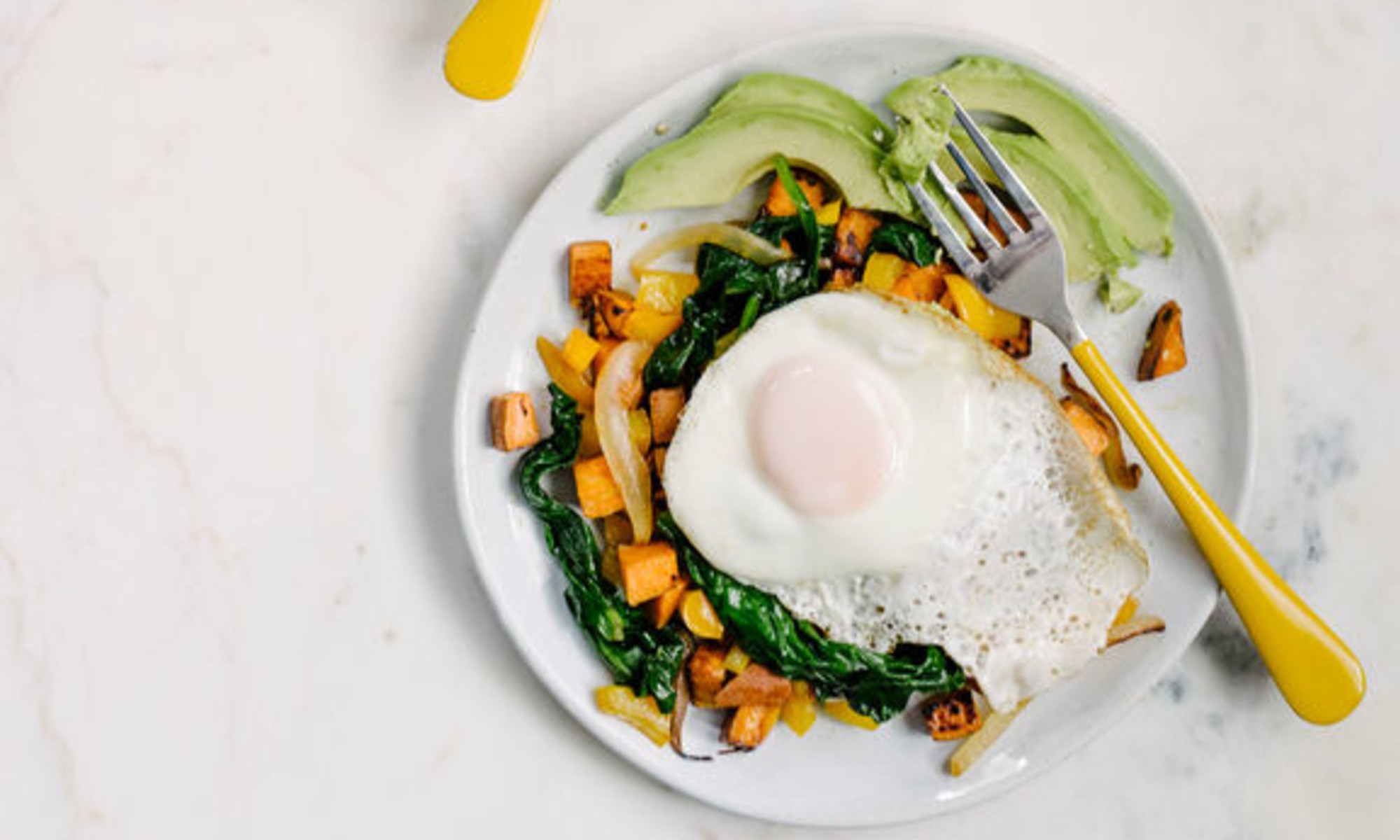
Breakfast isn’t just a meal. It’s the first domino in a chain of metabolic reactions that dictates how your body feels, functions, and regulates itself for the next 16 hours. Skip it, or fuel it poorly, and you’re playing catch-up all day long.
Maria Teresa Anton, MD, an endocrinologist and educator at the Pritikin Longevity Center (and former director of the diabetes task force at LIJ Forest Hills), has spent years studying how early-day nutrition impacts the endocrine system. Her verdict?
The morning meal sets the tone.
It’s not about willpower. It’s about biochemistry.
Why skipping breakfast disrupts your hormones
You’ve heard the myths. You’ve read the intermittent fasting arguments. But here is what the science says about the immediate post-sleep window.
1. It stabilizes blood sugar
After hours of fasting, your glycogen stores are low. Your brain needs glucose. A breakfast lacking in structure causes a spike, followed by a crash. That crash feels like fatigue. It triggers cravings. It stresses the adrenal glands. A balanced mix of macros prevents this rollercoaster.
2. It kick-starts metabolism
Eating signals the body to switch from conservation mode to energy expenditure. This doesn’t mean you need to overeat. It means providing the right fuel so the body burns calories efficiently rather than hoarding them.
3. It modulates cortisol
Cortisol is supposed to be high in the morning to wake you up. If you don’t eat, that cortisol can remain elevated or dysregulated. Food helps modulate this spike, bringing levels down to a healthy baseline so you aren’t running on adrenaline and stress by 10 a.m.
“Breakfast helps synchronize circadian rhythms, aligning the body’s internal clock with external cues.”
This synchronization is non-negotiable for hormonal health. Misaligned rhythms mess with everything from thyroid function to reproductive hormones.
How to build a hormone-supportive breakfast
There is no single “perfect” breakfast. But there are key components that support endocrine function. Here’s the blueprint.
Prioritize protein first
Protein is the anchor. It stabilizes blood sugar and promotes satiety, meaning you won’t hunt for snacks an hour later.
At Pritikin, we see protein as the foundation. Omelets. Quiches. Greek yogurt. These options provide high-quality amino acids, which are the building blocks of hormones themselves. Without adequate protein, hormone production falters.
If you’re looking for plant-based options, tofu and legumes are solid choices. Animal proteins like fish or chicken work too. The goal is essential amino acids. Get them.
Choose complex carbs and fiber
Sugar-free oats. Whole grains. These are your allies. Oatmeal is a favorite not just for convenience, but because it releases energy steadily.
Crucial note: Avoid loading oatmeal with sugar. Use savory toppings or low-glycemic fruits instead. You want steady energy, not a rapid insulin spike. Fiber slows digestion. It keeps blood sugar smooth. It keeps hormones calm.
Add healthy fats (in moderation)
Fats are essential for synthesizing steroid hormones. Avocados, nuts, seeds—these provide the raw materials for estrogen, testosterone, and cortisol.
However, if your primary goal is weight loss, monitor your portions. These fats are beneficial but calorie-dense. Don’t drown your meal in them. Just include them. They aid in nutrient absorption and provide long-lasting fuel.
Pair fruits with vegetables
Whole fruits are great. Berries, apples, citrus. They offer natural sweetness and nutrients without the blood sugar shock of processed sugars.
But here is the hack most people miss: Pair fruit with vegetables.
Fruit needs “friends” to moderate its impact. The fiber in vegetables slows the absorption of fructose. This prevents spikes. It turns a high-glycemic fruit into a balanced snack.
Try these specific combinations for optimal blood sugar control:
- Grapes and celery: Grapes bring antioxidants; celery brings fiber and vitamins. Great for heart and digestive health.
- Blueberries and leafy greens: Blueberries pack antioxidants; greens provide iron and calcium. Supports immune function and bone strength.
- Apples and carrot sticks: Apples offer fiber; carrots provide beta-carotene. Promotes digestive health.
- Mango and bell peppers: Mangoes offer Vitamins A and C; peppers add antioxidants and B6. Boosts energy metabolism and immune health.
Color on the plate isn’t just pretty. It’s protective.
Top with herbs, spices, and water
Finish the meal. Sprinkle cinnamon on that oatmeal. Add turmeric to your eggs. These aren’t just flavor enhancers. They offer anti-inflammatory and metabolic benefits.
And drink water. Or herbal tea. Dehydration mimics hunger. It stresses the body. Start the day with fluids to support every cellular process, including hormonal regulation.
The takeaway
You don’t need a complicated regimen. You need a foundation.
Protein. Fiber. Healthy fats. Fiber-rich vegetables paired with low-sugar fruits. Spices. Water.
Do this, and you aren’t just eating. You’re signaling your body to function optimally. You’re supporting your metabolism, your stress response, and your long-term hormonal balance.
Start there. The rest of the day will follow suit.
Or don’t. See what happens by 2 p.m.