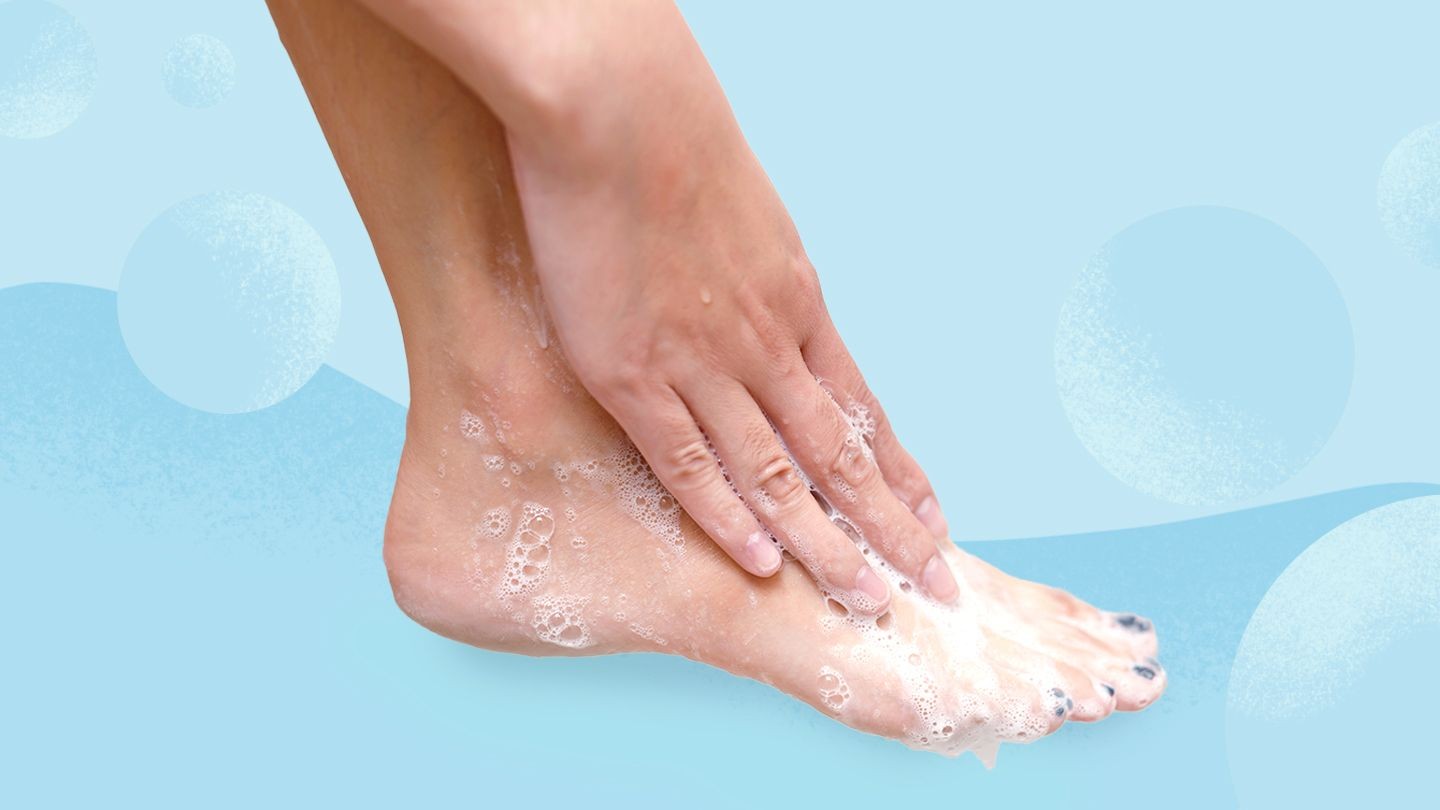
Many people fall into a common hygiene trap: assuming that because soapy water runs down their legs in the shower, their feet are being cleaned. However, medical experts warn that this “passive cleaning” is insufficient for maintaining foot health.
Because feet are frequently enclosed in shoes and socks, they create a warm, moist microclimate—the perfect breeding ground for bacteria and fungi. Without intentional care, the accumulation of sweat, dead skin, and debris can lead to odor, irritation, and more serious infections.
The Essentials of Effective Cleaning
To maintain healthy feet, hygiene must be an active process rather than a byproduct of washing your body.
- Wash with Intention: The CDC recommends daily washing. Even on days when you haven’t exercised, your feet continue to shed skin cells and produce sweat.
- Use Gentle Friction: Simply rinsing isn’t enough. You need the light friction of your hands or a soft cloth to physically remove microorganisms and oils that adhere to the skin.
- Target High-Risk Areas: Pay close attention to the spaces between your toes and around your nails. These areas are most susceptible to fungal infections like athlete’s foot (tinea pedis ) and nail fungus (onychomycosis ).
- Choose the Right Products: Use mild, fragrance-free soaps. Harsh chemicals or heavy scents can strip the skin of its natural oils, damaging the “skin barrier”—the protective outer layer that keeps moisture in and irritants out.
Temperature and Texture: What to Avoid
While it may be tempting to use steaming hot water or aggressive scrubbing, both can do more harm than good.
1. Watch the Water Temperature
Extremely hot water can dry out the skin and disrupt its protective barrier. This is a critical safety point for individuals with diabetes or neuropathy, as reduced sensation in the feet may prevent them from feeling when the water is hot enough to cause burns.
2. Avoid Aggressive Scrubbing
While exfoliating calluses can relieve pressure, over-scrubbing can create micro-cuts that invite infection.
Note on Calluses: Calluses are often a protective response to repeated friction or uneven weight distribution. Rather than just scrubbing them away, it is more effective to identify and address the underlying cause, such as poorly fitting footwear.
Post-Wash Care and Inspection
The cleaning process does not end when you step out of the shower; how you dry and treat your feet is equally vital.
- Dry Thoroughly: Never let your feet air-dry. Trapped moisture, especially between the toes, is a primary cause of fungal growth. Use a clean towel to pat your feet dry, ensuring no moisture remains in the crevices.
- Moisturize Strategically: If you have dry skin or cracks, use creams containing urea, glycerin, or ceramides. However, apply moisturizer only to the tops and bottoms of the feet—avoid the areas between the toes, as this can trap moisture and encourage fungus.
- Perform a Daily Inspection: Use washing time as an opportunity to check for abnormalities. Look for:
- Redness or scaling
- Cracks, blisters, or sores
- Changes in nail color or thickness
- New or changing growths
Medical Alert: For individuals with diabetes, a thorough daily inspection is non-negotiable. Small wounds can escalate into serious complications very quickly if they are not caught early.
Summary: Proper foot hygiene requires more than just rinsing; it demands intentional scrubbing, careful drying, and regular inspections to prevent infection and manage skin health. If you notice persistent pain, drainage, or unusual growths, consult a healthcare professional immediately.