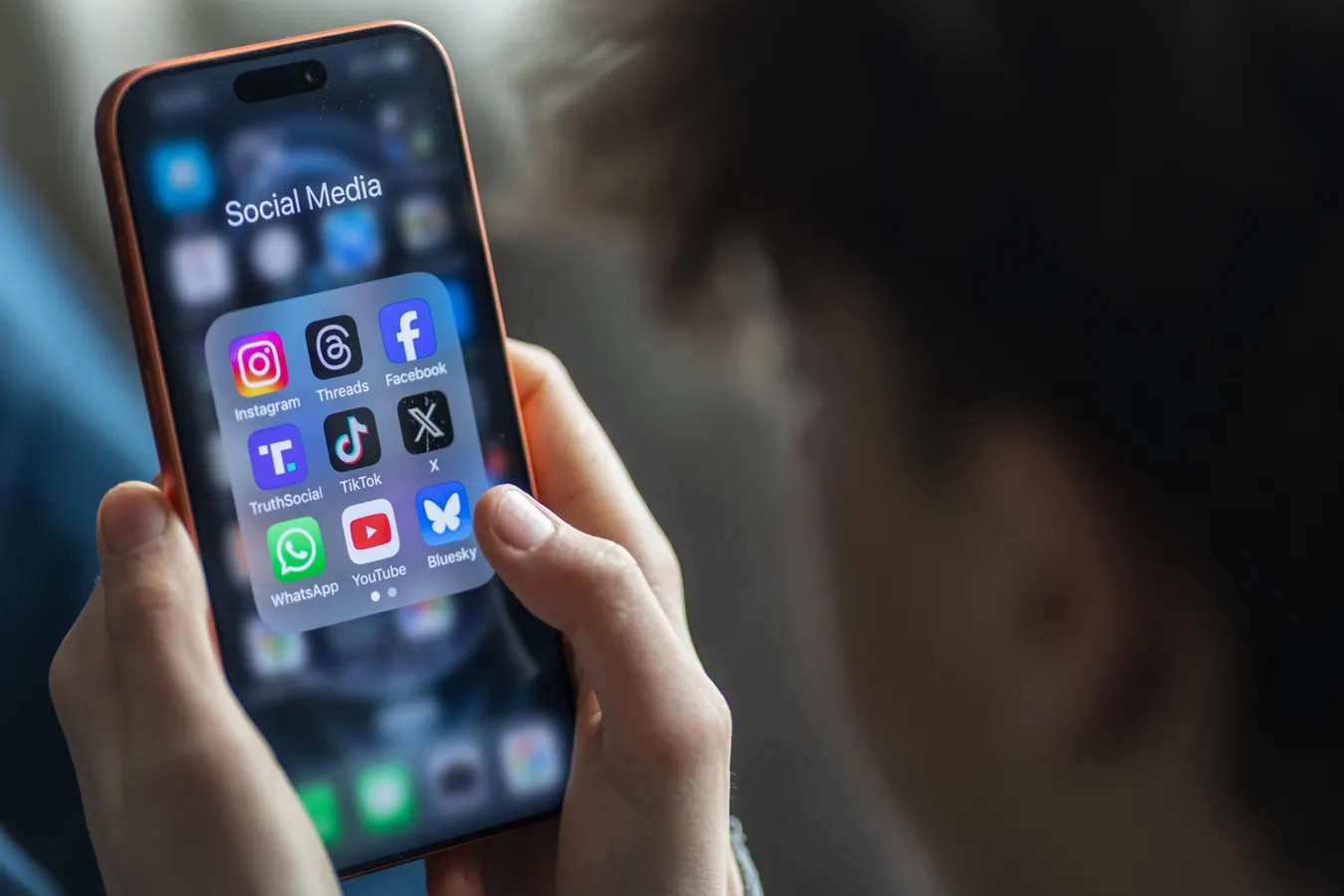
The Surgeon General says stop scrolling so much.
Well, technically it’s a advisory from the Department of Health and Human Services, since the Trump administration doesn’t have a confirmed SG right now. But the message is the same. Screens are a problem. Specifically for kids.
It starts early. Like, before their first birthday. The science is messy though. It’s not just “phones bad.” It depends. Age matters. Content matters. Whether that screen time steals sleep, homework, or a hike with friends.
The dark side
Mental health. That’s the big one.
A 2018 study in The Lancet looked at 10,00+ teens. High social media use linked to online bullying, body image issues, low self-worth. Depression too. Not surprising, right? But it’s documented.
Sleep takes a hit too.
Research in JAMA Pediatrics shows pre-bed screen use shortens sleep. Makes it worse. The advisory is clear here—poor sleep wreckers academics. Mood swings. You can’t focus. It’s a biological fact, not just a habit issue.
Then there’s displacement. Time spent swiping isn’t time spent reading. Or running. Or just sitting with parents. 2023 data shows less quality interaction with caregivers. That hurts emotional growth later.
And the brain. Teen brains are still building. The amygdala regulates emotion. Frequent social media changes how it looks. The hardware is getting rewired by software.
Is that sustainable? Probably not.
It’s not all bad
Look, technology does good things.
Educational media helps. Literacy. Problem-solving. Interactive games actually teach. Vocabulary goes up. Engagement goes up. If it’s educational, the screen is a tool. Not just a distraction.
Connection. Huge.
Online communities save isolated kids. Those with chronic illnesses, disabilities, or mental health struggles often find people who get it there. Even shy kids can practice talking in low-pressure digital spaces. Social anxiety has a place to hide and heal.
Screens are everywhere now. They’re embedded. In school. In family chats. In boredom.
There’s no universal rule. Educational YouTube is different than doom-scrolling Instagram. The spectrum is wide.
The challenge is maximizing benefits while minimizing the mental health harms of overuse.
The advice is practical if vague.
Delay early use. Talk to kids about expectations. Make screen-free blocks during the day. Give them stuff to do when bored, otherwise the default is just the glow.
It’s not a switch you flip. It’s a constant negotiation.