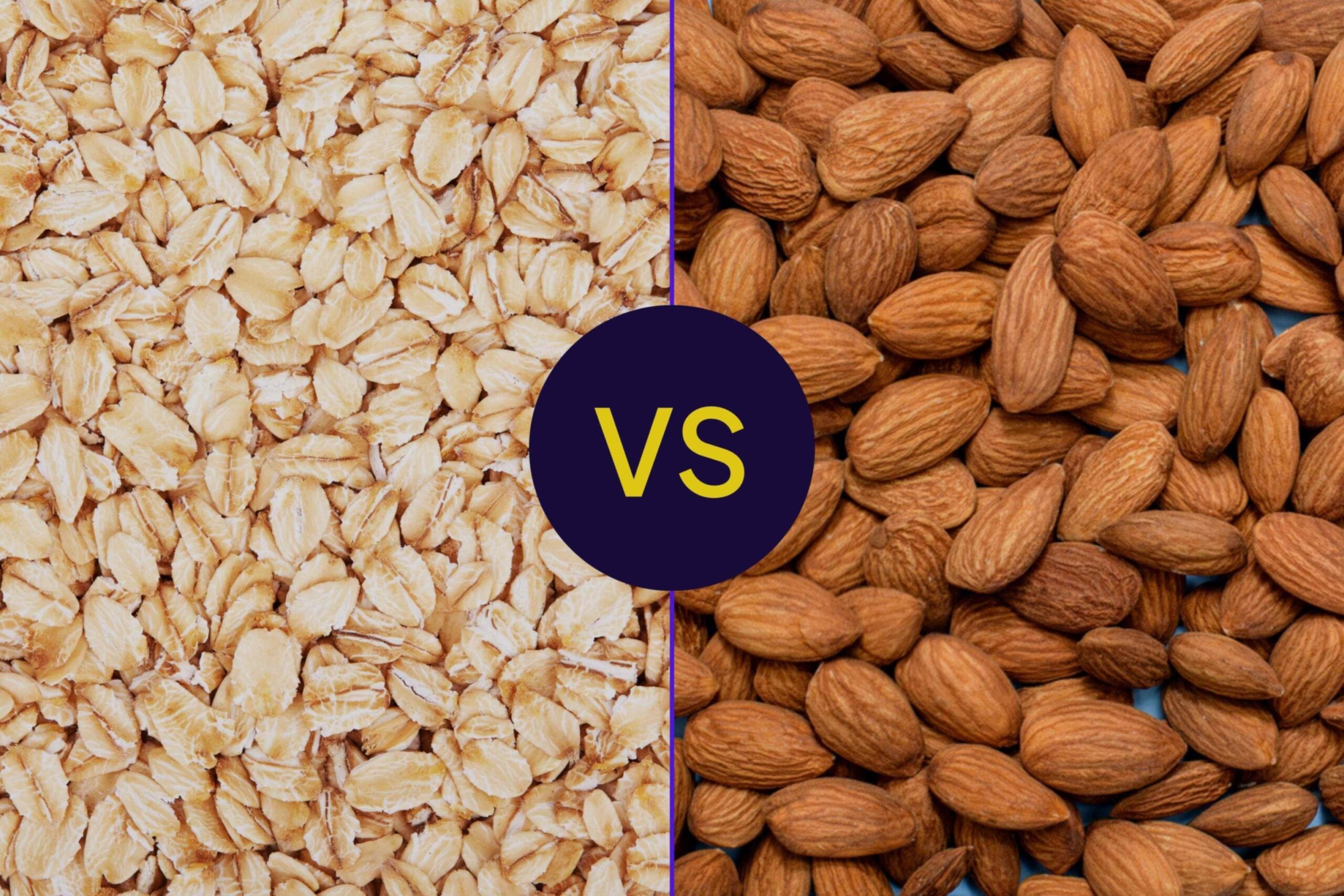
Oats and almonds are dietary staples for good reason: they are nutrient-dense, versatile, and accessible. However, viewing them as competitors misses the point. While both are healthy, they serve fundamentally different physiological roles. Oats are primarily an energy source, driven by complex carbohydrates, whereas almonds are a nutrient-density powerhouse, driven by healthy fats and protein.
Understanding these distinct profiles is not just about choosing one over the other; it is about leveraging their complementary strengths to stabilize blood sugar, support heart health, and sustain energy levels throughout the day.
The Fuel Source: Oats for Endurance
Oats are naturally low in fat but high in complex carbohydrates. A standard cup of cooked oats provides approximately 28 grams of carbs. This makes them an ideal fuel source for physical activity or morning energy needs.
The key to oats’ effectiveness lies in their fiber content, specifically beta-glucan, a type of soluble fiber. Beta-glucan slows down digestion, which prevents rapid spikes in blood sugar and provides a steady release of energy. This stability is crucial for:
* Maintaining focus during work or study.
* Sustaining energy during exercise.
* Supporting long-term heart health by lowering LDL (“bad”) cholesterol.
The Satiety Engine: Almonds for Balance
In contrast, almonds are low in carbohydrates (about 6 grams per ounce ) but rich in monounsaturated fats and protein. A one-ounce serving (roughly 23 almonds) contains 14 grams of fat, most of which is heart-healthy monounsaturated fat.
These fats serve two critical functions:
1. Cholesterol Management: They help lower LDL cholesterol while raising HDL (“good”) cholesterol.
2. Satiety: Because fats digest more slowly than carbohydrates, almonds promote a lasting feeling of fullness, helping to curb hunger between meals and prevent energy crashes.
Almonds also provide essential omega-6 fatty acids, vital for brain function and cell growth. To maintain a balanced inflammatory response, it is beneficial to pair almonds with omega-3 sources like flaxseeds, chia seeds, or fatty fish.
The Synergy: Why They Work Best Together
The most effective dietary strategy is not to choose between oats and almonds, but to combine them. This pairing creates a balanced macronutrient profile that addresses both energy needs and satiety.
1. Comprehensive Fiber Benefits
Fiber is a major health marker, and these two foods cover the entire spectrum:
* Oats (Soluble Fiber): Beta-glucan aids in cholesterol reduction, blood sugar regulation, and feeding beneficial gut bacteria.
* Almonds (Insoluble Fiber): This type of fiber adds bulk to stool, promoting regular digestion and physical fullness.
By adding almonds to oatmeal, you gain the digestive benefits of both fiber types simultaneously.
2. Protein and Blood Sugar Control
Protein is essential for muscle repair and blood sugar management. Almonds provide about 6 grams of protein per ounce, while a cup of cooked oats offers over 5 grams.
When eaten together, the protein and fat from the almonds slow the digestion of the carbohydrates in the oats. This interaction significantly reduces post-meal blood sugar spikes, making this combination particularly valuable for individuals managing diabetes or those seeking consistent energy levels without afternoon slumps.
3. Micronutrient Diversity
Beyond macros, these foods offer distinct vitamin and mineral profiles:
* Almonds are a rich source of Vitamin E (a potent antioxidant protecting cells from damage), magnesium (for muscle function), and potassium (for blood pressure regulation).
* Oats provide manganese, iron, and B vitamins (like thiamine), which are critical for converting food into energy and maintaining healthy blood cells.
Practical Application: The Ideal Bowl
To maximize health benefits, consider this simple combination:
* Base: Cooked oats for sustained energy.
* Topping: Almond butter or chopped almonds for healthy fats, protein, and crunch.
* Add-in: Chia seeds or flaxseeds to balance omega-6s from the almonds with omega-3s.
This “overnight oats” or warm bowl strategy delivers a complete nutritional package: complex carbs for fuel, healthy fats for heart health, protein for muscle, and fiber for digestion.
Conclusion
Oats and almonds are not rivals; they are partners. Oats provide the energy foundation, while almonds add the nutritional depth necessary for satiety and heart health. Combining them creates a meal that stabilizes blood sugar, supports digestion, and provides a broad spectrum of essential nutrients, making it a superior choice for long-term wellness.