Sleep isn’t just a switch. It’s a hormone dance. Specifically melatonin. Your brain makes it, yes, but food helps too. Most people don’t know their dinner can nudge that rhythm along. Mushrooms. Cherries. Eggs. The list is weird.
The science says these foods bump up melatonin. Plus they pack other sleep helpers. Here’s the breakdown. No fluff.
Tart Cherries
Not the sweet snack kind. The sour Montmorency stuff. This variety has been studied to death. Why? It’s packed with melatonin—about 13.5 ng per gram. But the juice does the heavy lifting. One study gave people 240ml of tart cherry juice, twice a day, for two weeks. Result? Longer sleep. More efficient sleep.
It’s not just the hormone. Tart cherries are antioxidant powerhouses. Polyphenols cut inflammation and neutralize free radicals. Less oxidative stress might mean better sleep. Simple biology.
Drink it like a smoothie, not a dessert.
Salmon
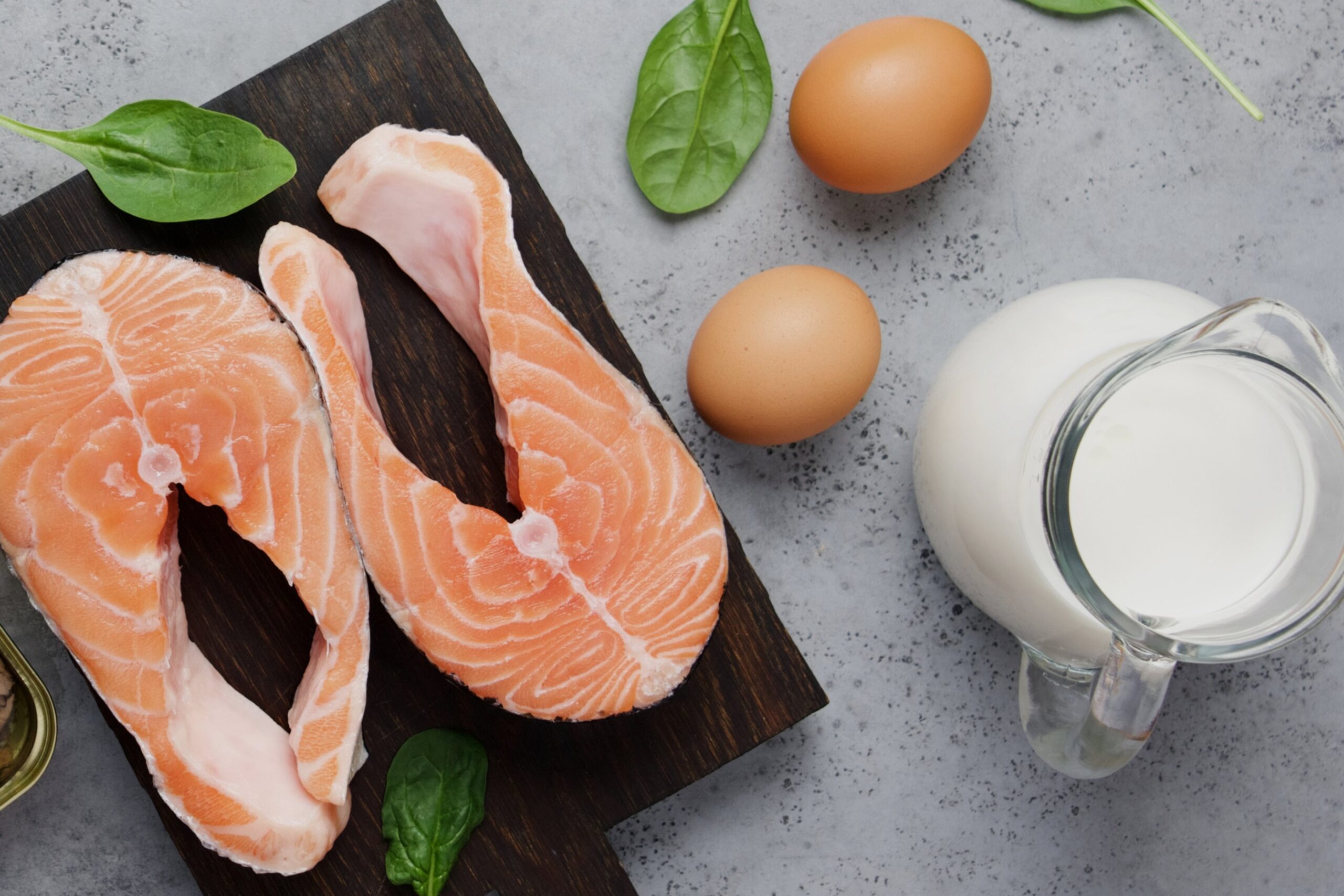
A standard three-ounce serving brings about 314 ng of melatin. That’s decent. But the real story is elsewhere. Salmon is an omega-3 factory. Those fatty acids tweak serotonin pathways. Serotonin converts to melatonin. It’s a pipeline.
Vitamin D plays along too. It keeps the body clock synced. Low vitamin D links to poor sleep. It’s that kind of connection. Fish eaters usually sleep better, fall asleep faster, and wake up less fogged. Though honestly? This works best when your whole diet isn’t junk. You can’t eat salmon over chips and expect miracles.
Eggs
Two eggs. About 3.1 ng of melatonin. Sounds tiny. Ignore the number for a second. Look at tryptophan. Your body needs that amino acid to make serotonin, which becomes melatonin. Eggs also hold onto that elusive Vitamin D.
Recent research highlights eggs for perimenopause. That stage is a nightmare for sleep. Eggs offer a nutrient-dense lifeline. Protein plus rhythm support. It’s practical.
Mushrooms
Standard white button mushrooms? Surprising champs. We’re talking 4,300 to 6,400 ng per gram. That dwarfs most other sources. Sure, we need more data. But the numbers don’t lie.
An 85g serving gives you 31% of your daily selenium. Selenium fights oxidative stress. Too much oxidative stress ruins sleep quality. Mushrooms protect cells. They guard the brain’s environment. Eat them plain or cooked. They still count.
Nuts
Walnuts and pistachios lead the pack here. Roughly 2.5 to 2.6 ng per gram. Processing changes things though. Raw beats roasted sometimes. Growth matters too.
One 2025 trial had folks eat 40g of walnuts before bed. Two months in? Sleep quality improved. Efficiency went up. Another study found nut-eaters slept slightly better overall. But again. The nut-eaters usually ate healthier food too. Hard to separate the wheat from the chaff. Vitamin E in nuts reduces inflammation. Less inflammation might equal quieter nerves. Quieter nerves mean sleep.
Cow’s Milk
Classic. Warm milk helps, right? Well. Milk has trace melatonin. Only 0.015 ng/g normally. But timing is everything. Night milk contains ten times more melatonin than morning milk. Most store-bought milk? A mix. So you don’t really know what you’re getting.
Still. Tryptophan is there. It makes the neurotransmitters. Magnesium and zinc are in milk too. They’re cofactors for that serotonin-to-melatonin conversion. Magnesium calms muscles. Zinc helps the reaction. Carbs in milk push tryptophan into circulation. It’s a biochemical team sport.
Evidence isn’t rock solid. Studies are small. But diets rich in dairy often link to better sleep. Coincidence? Maybe. Mechanism? Probably both.
When Do You Eat It?
No official rules. Some guess people ingest over 25,0,000 ng daily. Just guessing though. No guideline tells you how much to eat. Or when.
Tart cherry juice studies suggest twice-daily sipping. Morning and night. For the rest? We’re guessing based on supplement protocols. Supplements suggest taking them two hours before bed. Foods need digestion. So aim earlier.
- 4 to 5 hours before sleep: Dinner. Put in some mushrooms or salmon. Let them work through the night.
- 1 to 2 hours before sleep: A light snack. Maybe those walnuts. Or a few cherries.
Don’t overthink the exact milligram. It’s not a drug dose. It’s food. Consistency wins. The rest? You figure out what makes you tired. Eventually.