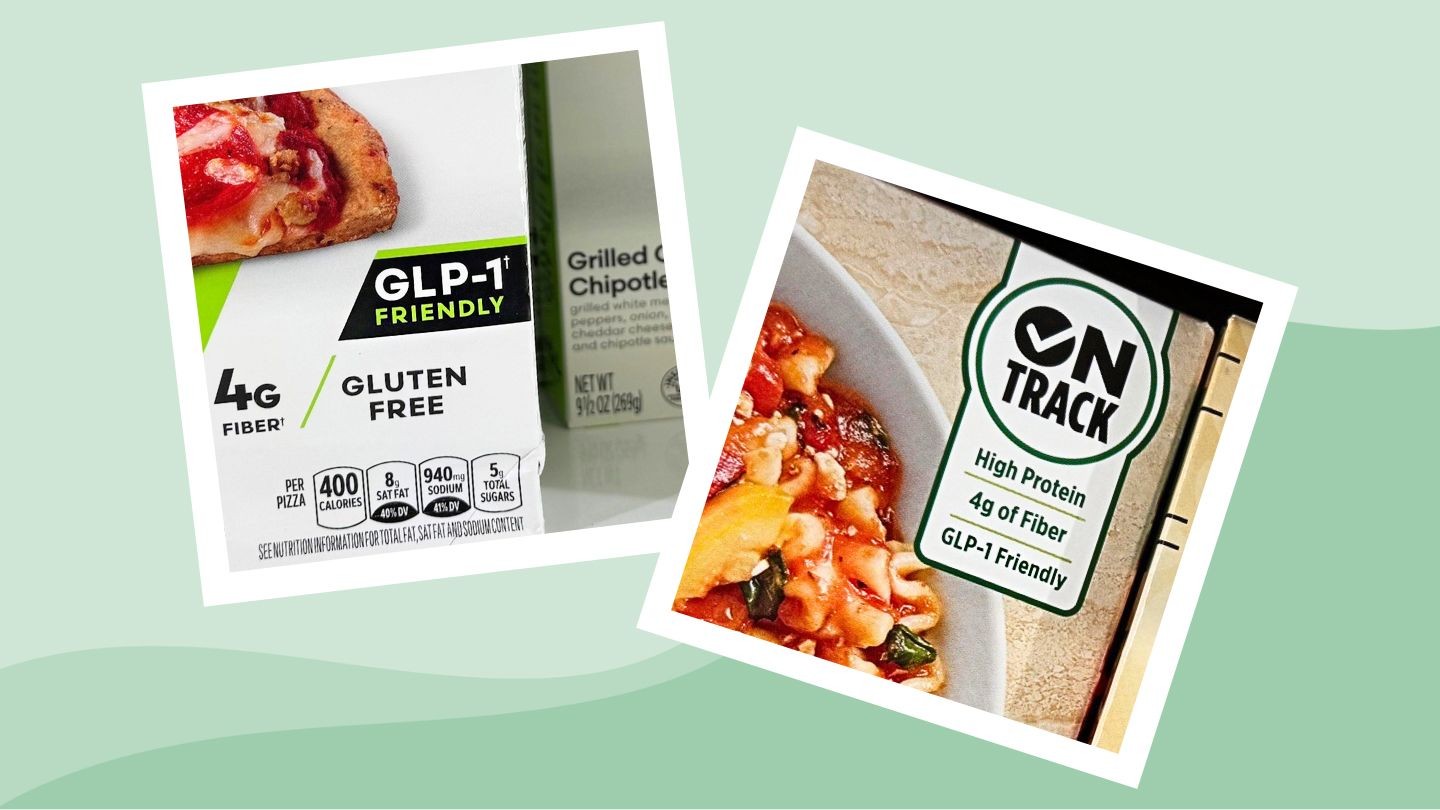
As GLP-1 medications (such as Ozempic and Wegovy) become increasingly mainstream for weight management, a new niche has emerged in the supermarket freezer aisle: “GLP-1 friendly” frozen meals.
For many users, these medications significantly reduce appetite, leading to a much lower caloric intake. This creates a nutritional challenge: when you eat much less, every bite must count. The goal is to prevent muscle loss and avoid nutrient deficiencies. While these new frozen options promise to solve that problem, experts warn that a label on the front of a box doesn’t tell the whole story.
Decoding the “GLP-1 Friendly” Label
The first thing to understand is that “GLP-1 friendly” is not a regulated medical term. It is a marketing descriptor. Because there are no official nutritional standards for this label, what one company calls “friendly” may differ wildly from another.
To determine if a meal is actually beneficial for someone on these medications, dietitians suggest looking past the marketing and focusing on three critical pillars:
1. Protein Density
Because GLP-1 drugs can lead to rapid weight loss, maintaining muscle mass is vital. Users need higher concentrations of protein to ensure they aren’t losing lean tissue along with fat.
* The Goal: Aim for 20 to 40 grams of protein per meal, depending on body size.
* The Benchmark: A helpful rule of thumb is to look for meals providing at least 10g of protein per 100 calories.
2. Fiber Content
A common side effect of GLP-1 medications is slowed digestion, which often leads to constipation. Fiber is the primary tool to combat this.
* The Goal: Aim for 28 to 32 grams of fiber per day.
* The Benchmark: Ideally, look for foods providing roughly 2g of fiber per 100 calories.
3. Caloric Efficiency
Since appetite is suppressed, users often consume much smaller meals (sometimes only 200–300 calories). This makes nutrient density non-negotiable; if you only have room for one small meal, it cannot be “empty calories.”
The Hidden Trade-offs: Sodium and Saturated Fat
While these frozen meals may succeed in hitting protein and fiber targets, they often fail in other areas. Because they are highly processed convenience foods, they frequently contain high levels of sodium and saturated fat.
For example, a single “GLP-1 friendly” sandwich melt might contain 7g of saturated fat—potentially meeting a person’s entire daily limit in one sitting—and nearly 30% of their recommended sodium intake. For someone on a weight-loss journey, managing blood pressure and heart health through sodium control is just as important as weight loss itself.
How to Shop Smart: The “Back of the Box” Rule
If you decide to use these meals as a convenience, experts suggest ignoring the colorful packaging and focusing on the ingredient list.
- Order Matters: Ingredients are listed by weight. If the first few items are recognizable whole foods (like chicken, beans, or oats), it is a better choice than a list dominated by starches, gums, and additives.
- The Complexity Test: Some experts suggest a “five-ingredient rule”—if a product has more than five ingredients or contains many items you cannot pronounce, it is likely highly processed.
- Watch the “Categories”: A box might claim to contain “Chicken and Pasta,” but once you read the fine print, those individual components may contain a long list of stabilizers and preservatives.
Better Alternatives for Busy Days
While frozen meals are a helpful “in a pinch” solution, they shouldn’t be the foundation of your diet. For better nutrient density and less processing, consider these quick, whole-food alternatives:
| Meal Type | Quick Whole-Food Suggestions |
|---|---|
| Breakfast | Greek yogurt with fruit; hard-boiled eggs; or cottage cheese. |
| Lunch | Mixed salad with tuna or chicken; bean and vegetable soup. |
| Dinner | 4–5 oz of lean protein (fish, chicken, or lean beef) with vegetables. |
| Snacks | Apple with peanut butter; string cheese with an orange; or nuts and dried fruit. |
The Bottom Line: “GLP-1 friendly” meals can be a convenient tool to help meet protein and fiber needs, but they are often high in sodium and highly processed. Always prioritize whole foods and read the ingredient labels to ensure you are fueling your body, not just filling a calorie quota.