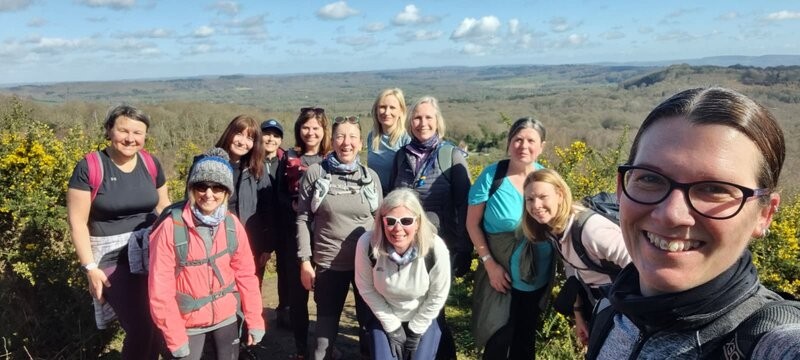
For many, a day hike is a restorative escape into nature. However, there is a thin line between a refreshing outdoor adventure and a miserable experience defined by blisters, wet clothes, or exhaustion. The difference almost always lies in preparation.
As a hike leader, I have learned that successful hiking isn’t about carrying everything in the world; it is about carrying the right things. This guide breaks down the essential gear required to stay comfortable, safe, and prepared for whatever the elements throw at you.
The Foundation: Footwear and Socks
Your feet are your engine. If they fail, the hike ends.
- Proper Hiking Boots: Avoid using casual sneakers or unproven footwear. You need shoes designed for the trail that offer grip, ankle support, cushioning, and waterproofing.
- The “Break-In” Rule: Never wear brand-new boots on a long hike. Wear them around the house or on short walks first to prevent painful blisters.
- Technical Socks: Footwear is only half the battle. High-quality socks are vital. Consider double-layered socks to reduce friction or waterproof socks if you anticipate heavy moisture. This is especially important for children, as foot discomfort is a primary cause of low morale on family treks.
🎒 Choosing the Right Pack
A backpack is more than just a container; it is your mobile basecamp.
- Capacity: For most day hikes, a 20–30 liter bag is the “sweet spot.” While a smaller 10–15 liter bag may suffice for short, fair-weather strolls, larger bags allow for necessary layers and safety gear.
- Ergonomics: Ensure the straps fit your torso to prevent chafing. A poorly fitted bag can cause physical strain long before the trail ends.
- Organization: Look for a bag with multiple compartments. External pockets on straps are perfect for quick-access items like snacks or phones, while side pockets should hold water, and internal zipped pockets keep valuables like keys secure.
🔋 Essential Support and Safety Gear
Beyond clothing, certain items act as your safety net.
- Navigation & Power: A charged smartphone is non-negotiable for maps and emergencies. However, because GPS and hiking apps drain batteries quickly, always carry a portable power bank.
- Nutrition & Hydration: Pack calorie-dense snacks (trail mix, jerky, or energy bars) to maintain steady energy levels. For hydration, aim for at least 2 liters of fluid, perhaps incorporating electrolytes to replace salts lost through sweat.
- First Aid: Always carry a kit containing plasters, antiseptic wipes, pain relief, antihistamines, and a foil emergency blanket.
- Stability: Walking poles are highly recommended. Even if you don’t use them on flat terrain, they provide crucial stability on uneven ground or when your legs become fatigued.
🌦️ Preparing for the Elements
Weather can change in minutes. Being “weather-ready” is the hallmark of an experienced hiker.
Rain Protection
- Layering: Always pack a lightweight, breathable, waterproof rain jacket, even if the forecast is clear.
- Dry Storage: Use a rain cover for your backpack or invest in internal dry bags to ensure your electronics and spare clothes stay dry.
- Versatility: Lightweight waterproof trousers and even a simple plastic bag can be lifesavers—the latter can serve as a makeshift seat to keep you dry during lunch breaks.
Sun Protection
- Skin & Eyes: High-factor sunscreen (SPF 50) and UV-protective sunglasses are essential.
- Headwear: A hat protects against sunstroke and can also help keep rain out of your eyes during a downpour.
🚗 The “Post-Hike” Kit: Comfort for the Journey Home
The hike doesn’t end when you reach the trailhead. To avoid a “post-hike crash,” keep these items in your car:
- A Change of Clothes: Something warm and dry to change into immediately.
- A Towel & Bin Bag: To dry off and to store muddy boots or wet clothes so they don’t ruin your vehicle.
- Recovery Shoes: There is no better feeling than swapping heavy boots for slippers or sandals after a long day.
- The Reward: A little something for a post-hike treat—like a coffee or a snack—can be the perfect way to celebrate a successful trek.
Summary: Effective hiking is built on the principle of “preparedness without excess.” By prioritizing quality footwear, organized packing, and weather-ready layers, you ensure that your focus remains on the scenery and the experience rather than your discomfort.