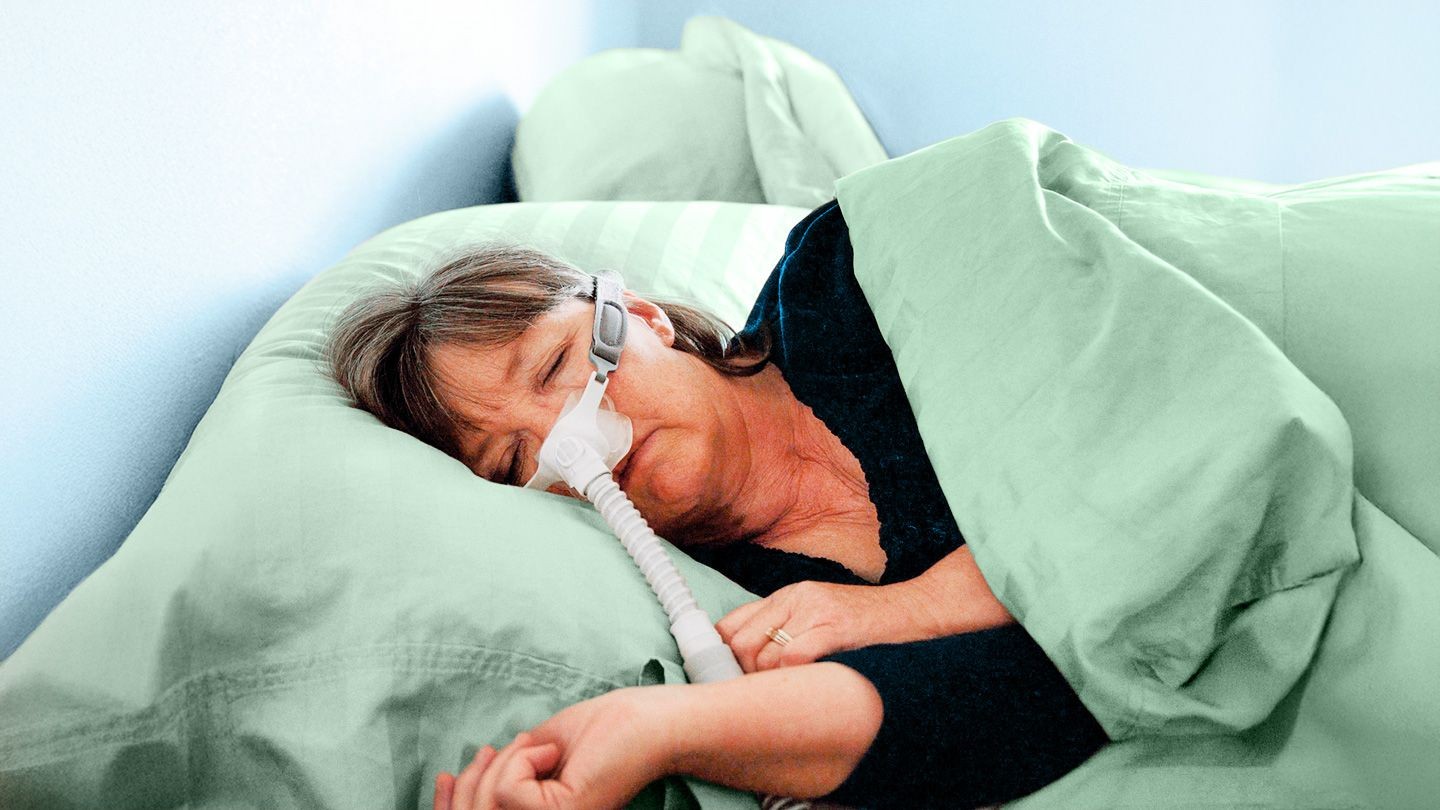
If you have recently been diagnosed with Obstructive Sleep Apnea (OSA), you have likely been prescribed Continuous Positive Airway Pressure (CPAP) therapy. While the idea of wearing a mask while you sleep might feel intimidating, CPAP is widely considered the “gold standard” for treatment.
By delivering a steady stream of pressurized air, the device prevents your airway from collapsing, ensuring you breathe continuously throughout the night.
Why CPAP Matters: More Than Just Better Sleep
Treating sleep apnea is not just about stopping snoring; it is a critical intervention for long-term systemic health. When your airway collapses, your body experiences repeated oxygen drops and stress, which can lead to severe medical complications.
The benefits of consistent CPAP use include:
– Cardiovascular Protection: Research indicates that CPAP use can reduce the risk of a second heart attack or stroke by approximately 31%.
– Cognitive Health: Long-term studies suggest that effective CPAP therapy helps maintain brain health, showing no increased risk of dementia compared to those without OSA.
– Immediate Quality of Life: Users often report reduced daytime sleepiness, improved mood, and a significant decrease in snoring.
Understanding Your Options: Devices and Masks
Not every CPAP machine or mask is the same. Choosing the right combination is essential for long-term success.
1. Types of Machines
- CPAP: Delivers a constant, unchanging level of air pressure all night long.
- APAP (Auto CPAP): Uses smart algorithms to adjust pressure levels automatically based on your breathing patterns (e.g., increasing pressure if you sleep on your back).
- BiPAP: Provides two different pressures—a higher one when you inhale and a lower one when you exhale. This is often prescribed for those who find standard CPAP uncomfortable or require higher pressure levels.
2. Choosing a Mask
Your mask choice depends on your facial structure and sleeping habits:
– Nasal Mask: Covers only the nose; ideal for active sleepers.
– Nasal Pillows: Small inserts that sit at the nostrils; great for those who wear glasses.
– Full Face Mask: Covers both the nose and mouth; best for mouth-breathers or those with nasal congestion.
– Hybrid Mask: Covers the mouth but leaves the nostrils open.
The Roadmap to Successful Treatment
Starting CPAP therapy is a process of adjustment, not an overnight fix. Most patients follow this typical timeline:
- The Setup (Weeks 1–2): After your doctor sends a prescription to a medical equipment provider, you will receive your device and undergo a setup appointment (in-person or virtual) to learn the basics.
- The Adjustment Phase (Weeks 2–4): This is the most critical period where you learn to live with the sensation of airflow and the mask.
- Fine-Tuning (Months 1–3): You will typically meet with a respiratory therapist or your doctor to review your data and adjust settings for optimal comfort and effectiveness.
Pro Tip: If the mask feels claustrophobic, try wearing it while you are awake (without the machine running) for a few nights to desensitize yourself to the sensation.
Overcoming Common Challenges
It is common for many patients to struggle with adherence in the first year. Recognizing these hurdles early can help you stay on track.
- Discomfort and Skin Irritation: If the mask causes irritation, try hypoallergenic materials or gel cushions. Ensure you aren’t overtightening the straps. For skin soothing, aloe vera or zinc oxide creams can help.
- Dryness: A dry mouth or throat is a frequent complaint. Most machines have built-in humidifiers; ensure you use distilled water to maintain the machine and prevent buildup. If dryness persists, check your mask for air leaks.
- Insurance Requirements: Most insurance providers use a “rent-to-own” model. To keep your coverage, you must prove you are using the device. Typically, this means using the CPAP for at least four hours a night for 70% of the nights in a 30-day period.
How to Track Your Progress
How do you know if it’s working? Look at two metrics:
The Objective Metric: AHI
The Apnea-Hypopnea Index (AHI) measures how many times your breathing is interrupted per hour. A successful treatment aims for an AHI of less than five.
The Subjective Metrics: How You Feel
Keep an eye out for these “real world” improvements:
– Increased daytime alertness.
– A noticeable reduction in snoring.
– More stable, improved moods.
Conclusion
While CPAP therapy requires an initial period of adjustment and careful mask selection, it remains the most effective way to prevent the serious cardiovascular and cognitive risks associated with sleep apnea. Success lies in persistence, regular machine maintenance, and working closely with your medical team to fine-tune your settings.