Travel often promises relaxation and adventure, but the reality can involve long stretches of immobility, disrupted sleep cycles, and nutritional compromises. These factors don’t just cause temporary discomfort; they can lead to serious health issues like deep vein thrombosis (blood clots), digestive distress, and severe fatigue.
To help travelers navigate these challenges, medical and performance experts offer evidence-based strategies to maintain physical well-being and mental balance. The goal isn’t perfection, but rather consistency and mindfulness in how you move, eat, and rest.
1. Combat Sedentary Risks with Strategic Movement
Prolonged sitting is the silent enemy of travel health. Dr. Maragret Green, a physician at the University of Washington Medical Center’s Travel Medicine Clinic, emphasizes that movement is the primary defense against blood clots.
- The Rule of Thumb: Stand up and walk around every one to two hours.
- Maximize Steps: If you need to use the restroom, choose the farthest one available to add extra steps to your day, suggests Haley Perlus, PhD, a sport and performance psychologist.
- Seated Alternatives: If leaving your seat isn’t possible, perform seated exercises. Simple actions like ankle circles and pointing/flexing toes engage muscles that prevent blood from pooling in the legs.
2. Engineer Opportunities for Activity
Travel environments are often designed for passivity. To counter this, experts recommend creative interventions to keep the body engaged.
- Posture Correction: Dr. Perlus uses a simple trick: placing tennis balls under her armpits while driving or flying. If she slouches, the balls fall, providing immediate feedback to maintain proper posture.
- Reject Convenience: Opt out of moving walkways, escalators, and elevators. Walking through the airport burns energy and helps combat jet lag.
- Destination Fitness: Keep sneakers accessible at your destination. While it’s acceptable to pause a rigorous gym routine, integrating daily movement—like a walk or light stretch—supports digestion and energy levels.
3. Prioritize Balanced Nutrition to Stabilize Energy
Disruption in routine, particularly regarding food, is a leading cause of travel-related constipation, bloating, and irregularity. Stress can either suppress appetite or trigger comfort overeating.
Rupp, a nutrition expert, advises focusing on balanced meals and snacks that combine protein, fiber, and healthy fats. This combination stabilizes blood sugar and prevents the “starve-binge” cycle common during long transit days.
Easy-to-Pack Balanced Snacks:
* Cheese and whole-grain crackers
* Fruit with nut butter
* Trail mix with dried fruit and nuts
* Instant oatmeal with berries
4. Consistency Over Perfection in Eating Habits
Travel often leads to irregular eating patterns, such as skipping meals or going hours without food due to flight schedules or sightseeing.
- The 3–4 Hour Rule: Aim not to go more than three to four hours between eating.
- Listen to Your Body: Ignore the clock and airport announcements; eat when your body signals hunger.
- The Goal: The objective is not a perfect diet, but providing your body with consistent fuel to support energy, digestion, and enjoyment.
5. Plan Ahead for Fiber and Gut Health
Convenience foods are high in sodium and refined carbohydrates but low in fiber, which can wreak havoc on digestion.
- Pack Smart: Bring fiber-rich foods that travel well, such as oats, fresh fruit, or high-quality granola bars.
- Airport Dining: When buying meals, look for options with vegetables or whole-grain breads.
- Avoid Experimentation: If you have a sensitive gut, do not introduce new foods while traveling. Stick to items your body is already familiar with to minimize digestive risk.
6. Hydrate Intelligently and Economically
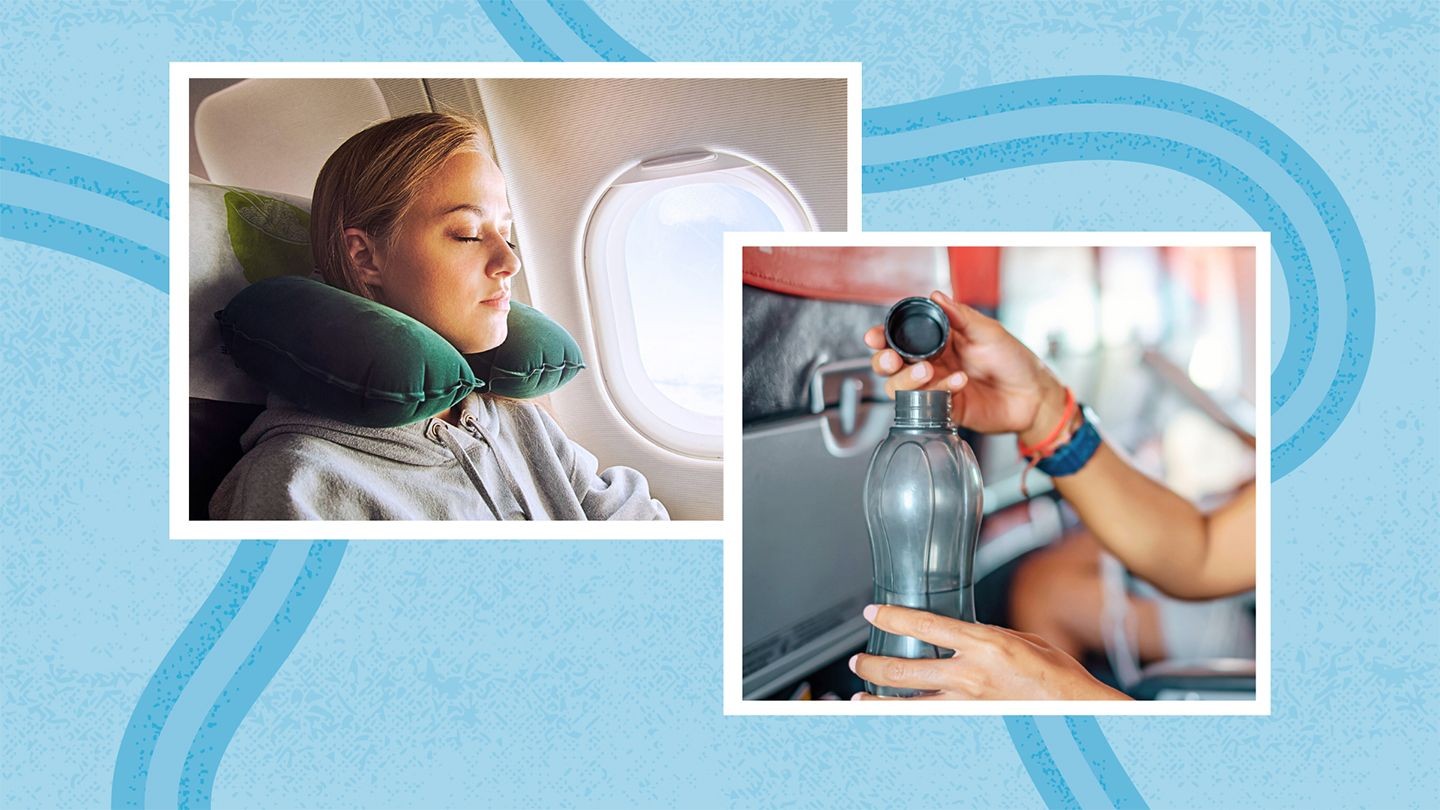
Dehydration exacerbates fatigue and jet lag. Instead of purchasing expensive bottled water, bring an empty reusable bottle from home and fill it after passing through security. Sipping water regularly throughout the journey maintains hydration levels without breaking the bank.
7. Pre-Adjust Your Sleep Schedule
Jet lag is caused by a misalignment between your internal body clock and the destination’s time zone. You can mitigate this by shifting your sleep schedule gradually in the week leading up to your trip.
- At Home: Start going to bed and waking up at times closer to your destination.
- Upon Arrival: Avoid long daytime naps. If you feel sleepy, seek bright light, fresh air, and light exercise to help reset your circadian rhythm.
8. Balance Activity with Deliberate Rest
Whether your trip is a relaxing vacation or a stressful business conference, managing energy is crucial. Dr. Perlus recommends a cycle of stress and recovery rather than constant activity or constant rest.
- Micro-Breaks: Break up long periods of sightseeing or lounging with short intervals of the opposite activity. For example, take a 10-minute walk after an hour of beach lounging.
- Self-Care Essentials: Pack an eye mask, a comfortable neck pillow, and entertainment (books or movies) that genuinely relaxes you.
The Takeaway: Travel health is not about rigid discipline, but about intentional choices. By moving regularly, eating consistently, staying hydrated, and balancing activity with rest, you can transform your journey from a physical ordeal into a sustainable, enjoyable experience.