It’s sticky. Slippery. Mucilage-heavy.
That’s not an insult. It’s the point.
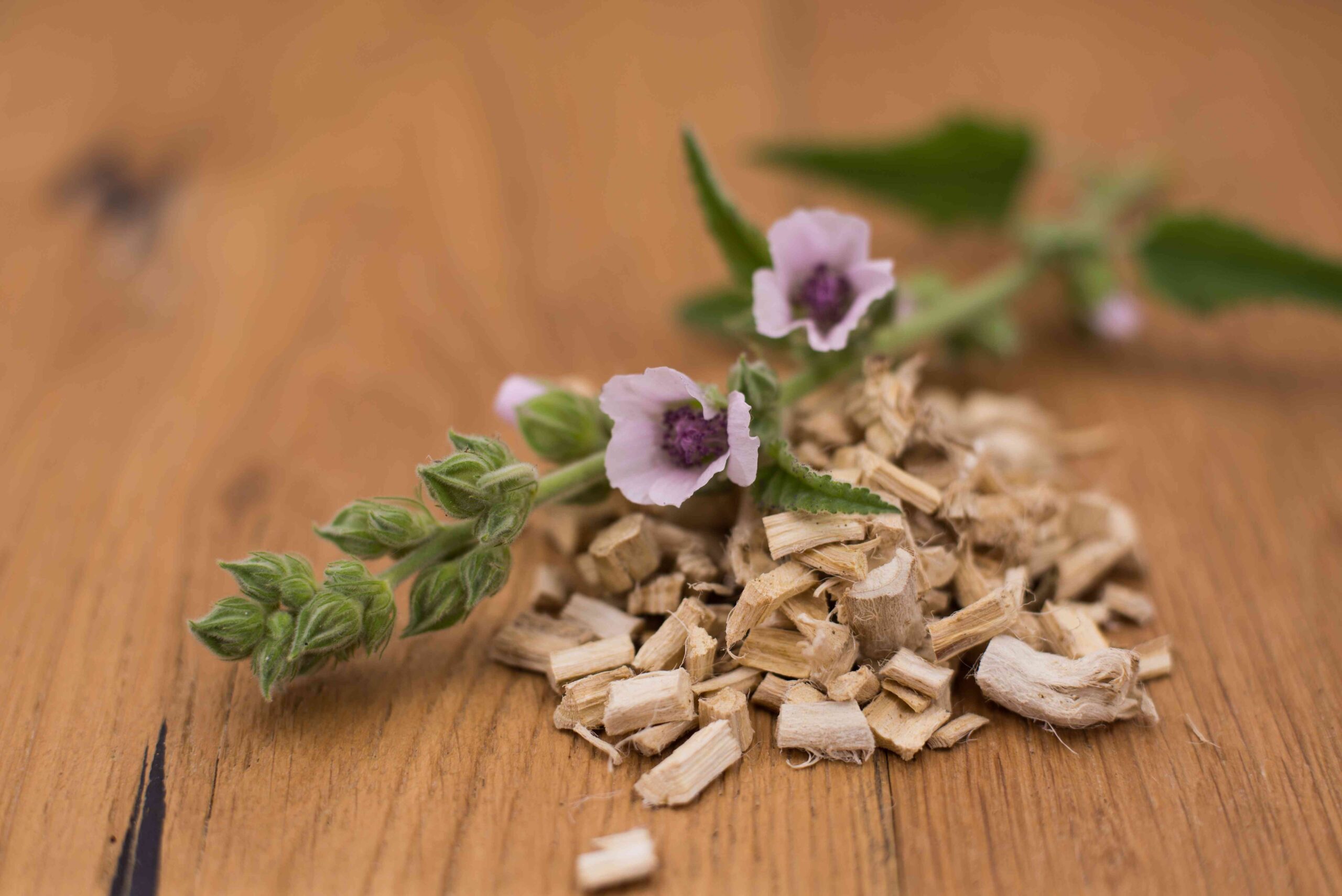
Marshmallow root (Althaea officinalis ) is a botanical sponge. You steep it in water, and it creates a gel that coats your throat, your stomach lining, your irritated skin. It builds a shield.
The catch? Human research is thin. Most of the claims rely on traditional use and lab studies that look promising but don’t fully translate to complex human bodies yet. Still. People have used this for centuries. Here’s what’s known, what’s guessed, and what you need to be careful about.
Why the Goo Works
Mucilage is a polysaccharide. When it hits moisture, it turns into that gel mentioned above. It soothes by physical contact, creating a barrier between irritants and your sensitive tissues.
Think of it as nature’s Band-Aid, but liquid.
Throats and Coughs
A dry, tickly cough can maddeningly persist. Marshmallow root may dull that sensation within minutes—sometimes as few as 10. It reduces the inflammation and stops the nerve endings in the throat from screaming tickle tickle tickle. It promotes healing by keeping the tissue moist.
Skin Troubles
Cracked skin? Boils? Eczema flares? Topical creams with marshmallow root pull moisture in while laying down an anti-inflammatory blanket. Antioxidants in the plant stimulate cells.
Mothers have also used it for cracked nipples after breastfeeding, finding relief in its gentle coating. It’s soft work.
Digestive Upset
Acid reflux. Ulcers. A general feeling that your stomach is unhappy. Because the root coats the digestive tract, it can improve the lining. Vitamins and antioxidants might help prevent cell damage there too.
But let’s be real. More trials are needed. It helps many. It won’t cure everyone. Don’t replace proven meds for a ulcer just because this tastes like herbal water.
How to Take It
Root is best.
Leaves and flowers exist. You can eat them if you forage. They won’t do the mucilage thing as well though. The root is where the magic—and the goo—lives.
Tea is the classic move.
The Options
- Tea : The gold standard for coating the throat.
- Tinctures/Syrups : Liquid concentration. Good for swallowing without the heat.
- Lozenges : Direct delivery to the mouth/throat area.
- Caps/Tablets : Fine. Less surface area for the goo, though.
- Salves/Creams : For the skin only. Don’t eat the cream meant for eczema.
The Critical Rule
Here’s the part you ignore at your own peril. That thick goo? It slows things down.
If you swallow marshmallow root pills, the mucilage can cling to other drugs. Your body might not absorb your medication correctly.
Wait two hours.
Take the root first, then wait. Or take the root after meds. Just space them out.
Dosage: Just Right?
There is no one-size-fits-all number. Look at the bottle. Look at the label. Follow the instructions.
But studies offer these guidelines:
- Tea : Steep 0.5 to 5 grams of dried root in 150 ml of water. Drink up to three times a day.
- Extracts/Liquids : 2–8 ml drops per day.
- Topicals (Kids 3-12) : 1% cream applied twice daily or 3 times weekly.
- Topicals (Adults) : Up to 20% ointment seems safe.
Safety Nets (And Gaps)
Most people handle it fine. Allergies? Extremely rare. Heavy metals in herbal products? Usually low if sourced correctly.
Pregnancy or breastfeeding?
Who knows.
There’s simply no data. So avoid it. Play it safe.
Dangerous Mixes
This is not a toy. It interacts.
- Lithium (Priadel) : This is serious. Marshmallow root can make it harder for your body to excrete lithium. Levels build up. Toxicity spikes. If you take lithium, skip the marshmallow.
- Diabetes Meds : It can lower blood sugar. Combine that with insulin or oral meds, and you might drop too low (hypoglycemia). Watch your glucose.
- General Absorption : Again, the two-hour rule applies to almost any oral drug.
Can You Take Too Much?
Technically? We don’t have a confirmed “lethal” dose for root tea. The FDA calls it Generally Recognized As Safe (GRAS) for food additives.
That label doesn’t officially cover supplements, though. Most commercial dosages appear harmless. But “no evidence of toxicity” isn’t the same as “infinite safety.” Talk to a doc if you’re planning high-dose regimens.
Side Effects: What To Watch For
Honestly? Boringly few.
No major side effects reported in standard literature. Anecdotal whispers mention dizziness or a grumpy stomach, but that’s about it.
Unless.
You’re allergic. Then watch for:
– Hives
– Itchy eyes
– Rash
– Swollen face, tongue, or lips
– Wheezing
– Unexplained bleeding
Stop using it immediately if those happen.
So, it’s a soothing plant with a slippery personality. It works by coating. It demands respect regarding medication timing. It lacks deep clinical trials, but its history is long.
Give it a try if you have the patience for a warm tea. Or maybe not. That’s up to you. The sticky truth remains: sometimes the simplest things coat the rough edges.