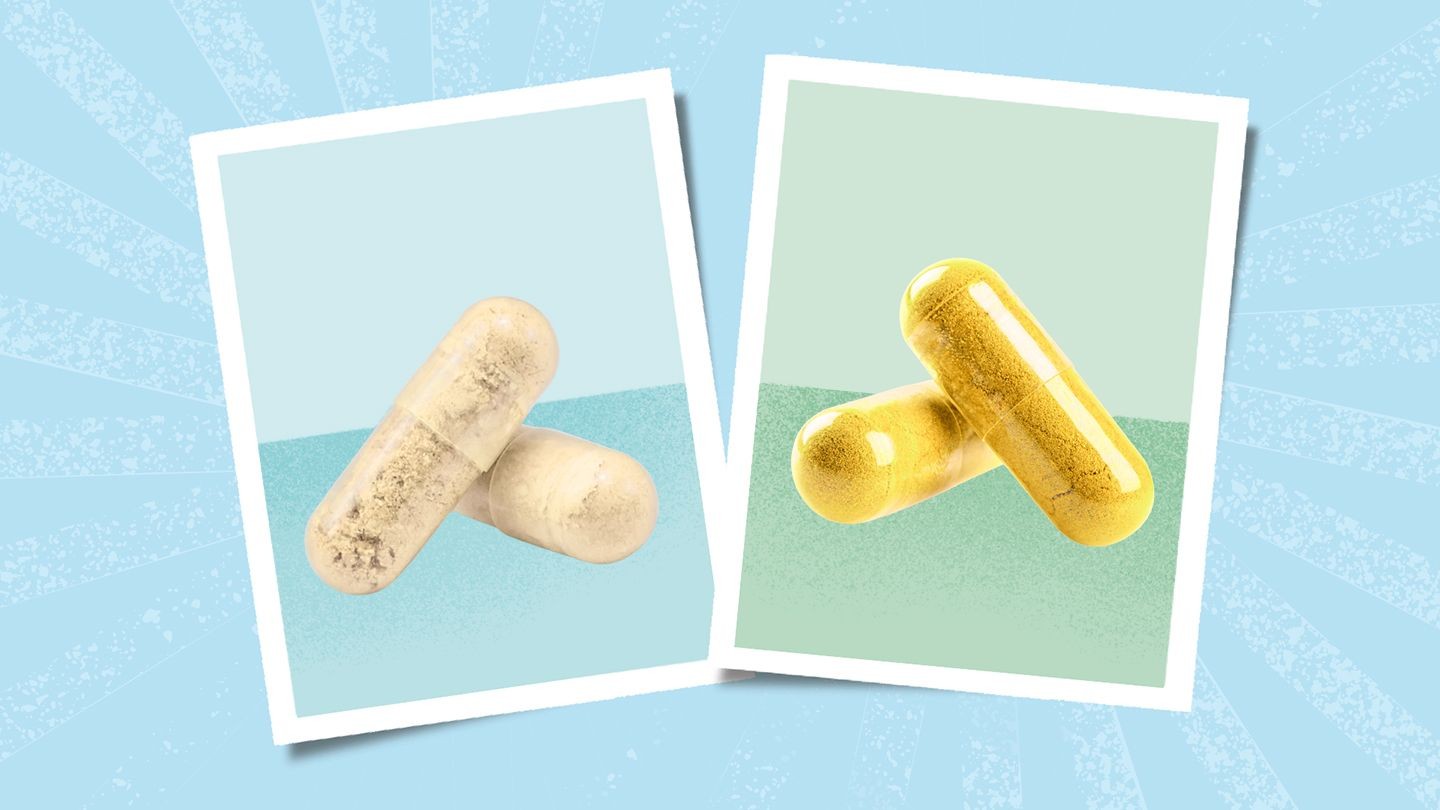
The rise of semaglutide—marketed as Ozempic, Wegovy, and Rybelsus—has revolutionized the landscape of weight loss and diabetes management. As demand for these prescription drugs outstrips supply, social media has exploded with claims about “natural alternatives” or “dupes.” Two supplements have emerged as the frontrunners in this trend: berberine, dubbed “Nature’s Ozempic,” and psyllium husk, known as the “Poor Man’s Ozempic.”
While these supplements are significantly cheaper and more accessible than prescription medications, experts warn that their efficacy does not come close to matching semaglutide. Understanding the science, the limitations, and the safety profiles of these alternatives is crucial for anyone considering them.
Why the Search for Alternatives?
The appeal of over-the-counter substitutes is driven by two primary factors: accessibility and cost.
- Financial Barrier: Without insurance coverage, semaglutide can cost over $1,000 per month. In contrast, a month’s supply of berberine typically retails between $20 and $40.
- Access Issues: The current healthcare system often limits access to comprehensive obesity care and FDA-approved medications. This scarcity pushes patients toward readily available over-the-counter options.
- Perceived Safety: Some individuals prefer supplements due to a desire for “natural” remedies or concerns regarding semaglutide’s side effects, which can range from nausea and indigestion to more serious long-term issues like malnutrition or potential thyroid risks.
“Our current system limits access to comprehensive obesity care… This drives many over-the-counter alternatives as patients seek treatment,” explains Jonathan D. Parker, DO, an obesity medicine specialist and board member of the American Board of Obesity Medicine.
Is Berberine Really “Nature’s Ozempic”?
Berberine is a compound extracted from shrubs such as barberry, Oregon grape, and tree turmeric. It is available in capsule or powder form and has gained popularity for its ability to activate an enzyme called AMP-activated protein kinase (AMPK). This enzyme plays a critical role in regulating metabolism and lowering blood glucose levels, which is the basis for its comparison to Ozempic.
The Evidence
Research does suggest some benefits. A systematic review of 23 studies indicated that berberine can help reduce:
* Body weight
* Body Mass Index (BMI)
* Waist circumference
However, the magnitude of these effects is modest. According to Dr. Parker, average weight loss with berberine is approximately 2% to 3% of body weight. While not insignificant, this pales in comparison to semaglutide, which can facilitate weight loss of up to 15% of body weight.
Safety and Limitations
- Study Limitations: Most evidence comes from small, short-term studies. Dr. Christopher McGowan, MD, notes that the available data is insufficient to support many of the health claims made by supplement marketers.
- Side Effects: Berberine is generally considered safe and well-tolerated. The most common complaints involve gastrointestinal issues, such as bloating or diarrhea.
What About Psyllium Husk?
Psyllium husk, often marketed as the “poor man’s Ozempic,” is a soluble fiber derived from the seeds of the Plantago ovata plant. Unlike berberine, which works on metabolic enzymes, psyllium works mechanically by forming a gel in the gut.
How It Works
Psyllium absorbs water and expands, creating a feeling of fullness (satiety) that can reduce overall calorie intake. It is also effective for digestive health, helping to regulate bowel movements.
The Evidence
Several reviews support psyllium’s role in weight management. A meta-analysis published in the Journal of the American Association of Nurse Practitioners confirmed that psyllium is an effective natural, non-fermented gel-forming fiber for weight loss. However, like berberine, the weight loss achieved is gradual and modest compared to pharmaceutical interventions.
The Bigger Picture: Obesity Is a Chronic Condition
While supplements like berberine and psyllium offer legitimate, research-backed benefits, they are not magic bullets. The trend of seeking “budget Ozempic” reflects a broader systemic issue: the lack of accessible, affordable obesity treatment.
Obesity is a complex, chronic disease influenced by genetics, hormones, environment, and behavior. Treating it effectively often requires a multifaceted approach that may include:
* FDA-approved medications (when accessible and affordable)
* Dietary changes
* Physical activity
* Behavioral therapy
* Safe, adjunctive supplements
Conclusion
Berberine and psyllium husk are legitimate supplements with proven benefits for metabolic health and modest weight loss. However, labeling them as “Ozempic alternatives” is misleading; their impact is far less profound than that of semaglutide. Rather than viewing these supplements as replacements for medical treatment, they should be considered as potential tools within a broader, healthcare-provider-supervised strategy for managing weight and metabolic health.