Anxiety disorders are not merely moments of worry; they are persistent conditions that shape how individuals navigate daily life. While occasional anxiety is a natural human response, a clinical disorder can disrupt sleep, limit social interactions, and drain mental energy.
Mindfulness meditation has emerged as a powerful, evidence-based tool for managing these conditions. However, it is not a universal cure. Research indicates that mindfulness is most effective when practiced consistently and integrated into a broader care plan that may include therapy, medication, and lifestyle adjustments.
This guide explores how mindfulness can be tailored to specific anxiety diagnoses—including generalized anxiety disorder (GAD), panic disorder, social anxiety, and specific phobias—and offers practical steps for beginning a sustainable practice.
Core Principles for Starting Mindfulness Practice
Mindfulness is not about emptying the mind or achieving a state of perfect calm. Instead, it is about cultivating awareness of the present moment without judgment. For those with anxiety, the goal is to build a relationship with discomfort that allows for greater emotional regulation.
1. Start Small and Manageable
Consistency matters more than duration. For beginners, two to five minutes is a sufficient starting point. Setting a timer for one minute of focused breathing can feel like significant progress. The key is to view each session as a small victory, building confidence over time.
2. Prioritize Physical Safety and Comfort
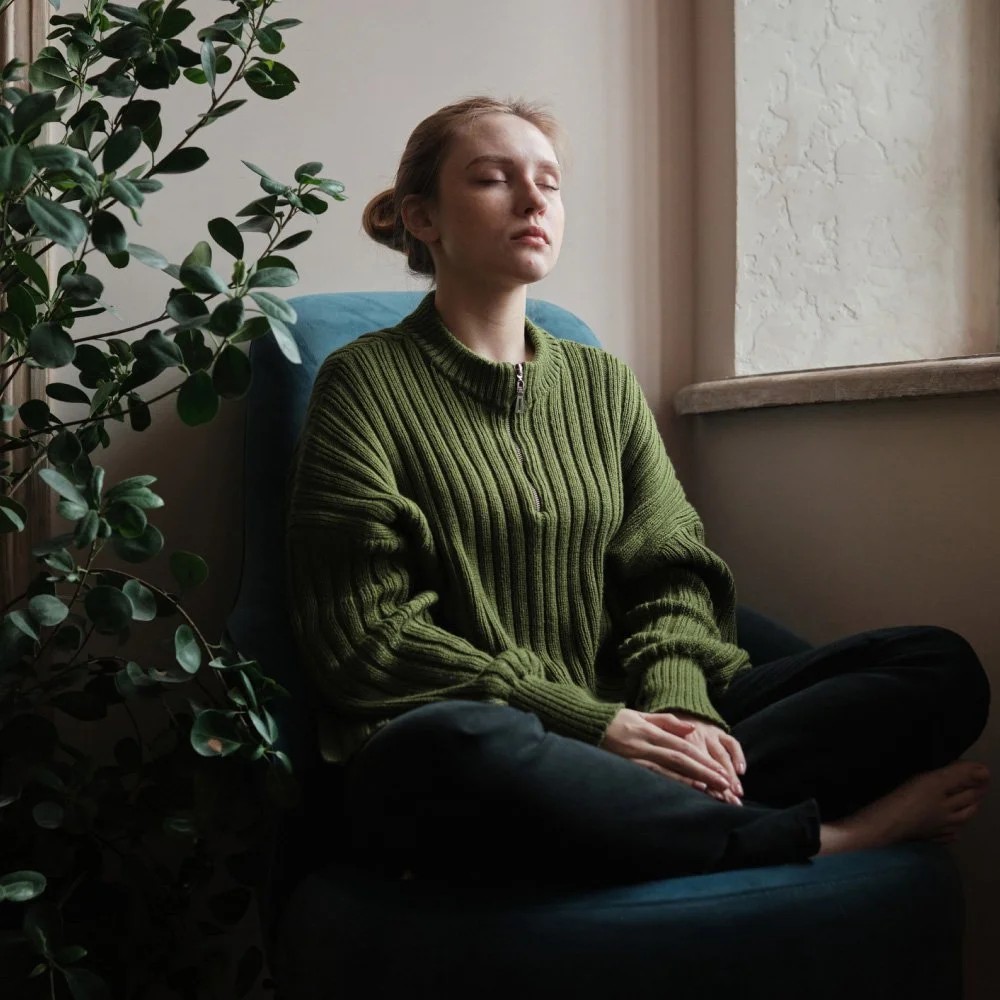
Traditional meditation imagery often involves sitting cross-legged on the floor with eyes closed. For many with anxiety, this posture can feel unstable or vulnerable.
* Sit in a chair: Keep feet flat on the floor and lean back against a wall for support.
* Keep eyes open: If closing your eyes increases anxiety, soften your gaze on a neutral spot in the room.
* Use background noise: Silence can be intense; soft ambient sounds may help create a sense of safety.
3. Choose an Appropriate “Anchor”
The breath is a common focus point, but it is not suitable for everyone. For some, focusing on breathing can trigger hyperventilation or heightened awareness of physical symptoms. Alternative anchors include:
* Sounds: Listening to ambient noises in the room.
* Physical sensations: Noticing the weight of the body in the chair or the feeling of feet on the floor.
* Mantras: Repeating a calming phrase.
Key Insight: If a specific anchor increases anxiety, switch immediately. The goal is to find a neutral, reliable point of focus that grounds you when the mind wanders.
4. Consider Structured Programs
Mindfulness-Based Stress Reduction (MBSR) is an eight-week program that combines meditation, body awareness, and gentle movement. Studies show MBSR can significantly reduce anxiety symptoms, often matching the effectiveness of other structured treatments. The group setting also helps combat the isolation often felt by those with anxiety disorders.
5. Integrate with Professional Care
Mindfulness is a complementary tool, not a replacement for professional treatment. Discussing mindfulness practices with a therapist can help tailor techniques to individual needs and ensure they align with other treatments, such as cognitive behavioral therapy (CBT) or medication.
Tailoring Mindfulness to Specific Anxiety Disorders
While mindfulness benefits all anxiety disorders, the approach may need adjustment based on specific symptoms and triggers.
Generalized Anxiety Disorder (GAD)
GAD is characterized by chronic, uncontrollable worry and physical tension. The mind often races from one concern to another, leading to exhaustion.
- Thought Labeling: When a worry arises, silently label it (e.g., “worrying,” “planning,” “catastrophizing”). This creates distance between the thinker and the thought, reminding you that a thought is not a fact.
- Body Scans: GAD often manifests physically as tight shoulders or a clenched jaw. A short body scan helps identify and release this tension early.
- Informal Mindfulness: Integrate mindfulness into daily routines, such as noticing the sensation of water while washing hands or taking three deep breaths before checking emails.
Panic Disorder and Agoraphobia
Panic disorder involves sudden, intense episodes of fear accompanied by physical symptoms like a racing heart or shortness of breath. Agoraphobia is the fear of situations where escape might be difficult, often leading to avoidance behaviors.
- Avoid Breath-Focus if Triggering: For some, focusing on the breath during a panic attack can worsen symptoms. Instead, focus on external sounds or physical grounding (e.g., feet on the floor).
- Grounding Techniques: During high anxiety, use the 5-4-3-2-1 technique : identify five things you see, four you hear, three you feel, two you smell, and one you taste. This shifts focus away from internal panic to external reality.
- Gradual Exposure to Sensations: Over time, practice observing physical sensations (like a racing heart) with curiosity rather than fear. This helps reduce the secondary fear of the panic symptoms themselves.
Social Anxiety Disorder
Social anxiety involves an intense fear of judgment or scrutiny in social situations. This often leads to hyper-self-monitoring, where attention is turned inward on how one appears to others.
- Outward-Focused Attention: Practice open-eyed meditation to train attention toward the external environment (sounds, sights) rather than internal thoughts. This mirrors the skill needed in social interactions.
- Mindful Listening: In conversations, focus entirely on what the other person is saying, rather than monitoring your own performance. This reduces self-consciousness.
- Compassion Practices: Loving-kindness meditation can help counteract the harsh self-criticism common in social anxiety.
Specific Phobias
Specific phobias involve intense fear of particular objects or situations (e.g., heights, needles). The primary treatment is usually exposure-based CBT. Mindfulness supports this by building distress tolerance.
- Sit with Discomfort: Regular mindfulness practice helps individuals remain present during uncomfortable sensations without immediately reacting or avoiding. This is crucial for the success of exposure therapy.
- Mindful Observation: Label fear responses (e.g., “there is a tight feeling in my chest”) to create psychological distance from the phobic reaction.
Frequently Asked Questions
Which mindfulness technique is best for anxiety?
There is no single “best” technique. Breath awareness and body scans are widely recommended for their grounding effects. However, for those with panic or social anxiety, mindful walking or guided meditations may be more accessible. The most effective technique is the one that feels safe and manageable for the individual.
Do I need to meditate every day?
Daily practice is beneficial but not mandatory. Consistency is key. Practicing three to four times a week, or integrating short mindful moments into daily routines, can still yield significant benefits in emotional regulation and awareness.
How long until I see results?
Some individuals notice subtle shifts in calmness or clarity within the first few sessions. However, meaningful changes often take several weeks of consistent practice. Research on MBSR programs typically measures improvements after eight weeks, reflecting the gradual nature of neuroplastic change.
What if meditation makes me more anxious?
It is common to feel more aware of anxiety initially, as meditation reduces distractions. If anxiety spikes:
* Shorten the session.
* Keep eyes open.
* Switch to a grounding activity like mindful walking.
* Consult a therapist or trained mindfulness instructor for guidance, especially if there is a history of trauma.
Is mindfulness suitable for children and teens?
Yes. Children and teens can benefit from short, interactive exercises such as deep breathing, sensory grounding (noticing five things they see), or mindful movement. These practices should be age-appropriate and engaging.
Conclusion
Mindfulness meditation offers a practical, accessible way to manage anxiety disorders by fostering present-moment awareness and reducing reactivity to fear. While not a standalone cure, it serves as a valuable component of a comprehensive treatment plan. By starting small, choosing comfortable anchors, and tailoring practices to specific symptoms, individuals can gradually expand their capacity to cope with anxiety and reclaim control over their lives.