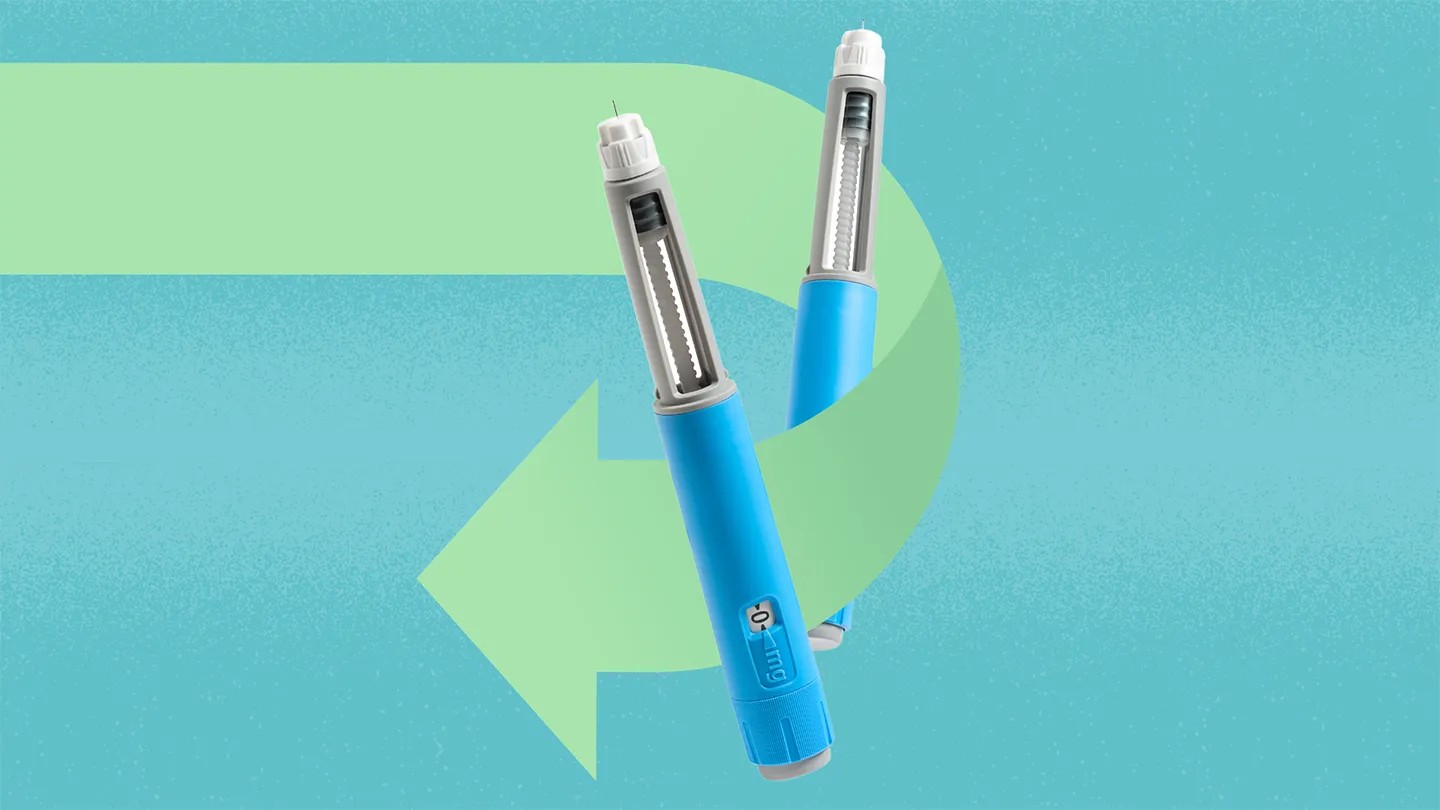
The medical landscape for type 2 diabetes is shifting rapidly due to the emergence of highly effective medications like semaglutide (Ozempic) and tirzepatide (Mounjaro). These drugs have demonstrated a remarkable ability to lower blood sugar levels, sometimes even bringing them into the “normal” range. However, a critical distinction remains: while these drugs are transformative, medical experts caution that they do not “reverse” the disease in the way many patients might hope.
Remission vs. Reversal: Why the Distinction Matters
In common conversation, “reversal” implies a permanent cure—the disease is gone and will never return. In the medical community, however, the preferred term is remission. This distinction is vital because it acknowledges that type 2 diabetes is a chronic metabolic condition.
According to current medical consensus, type 2 diabetes remission is defined as:
– Maintaining an A1C level below 6.5% for at least three months.
– Achieving this result without the use of glucose-lowering medications.
The reason “reversal” is considered inaccurate is that the underlying biological drivers—specifically insulin resistance and excess body fat (adiposity) —often remain present even when blood sugar levels appear healthy. If the medication is stopped and these underlying factors are not managed, blood sugar levels typically rise again.
The Power of GLP-1 and GIP Agonists
Clinical data highlights just how potent these new treatments are at managing glucose levels. Recent trials have shown significant improvements across different dosages:
Semaglutide (GLP-1 Agonist)
- A1C Reduction: In major trials, semaglutide has been shown to reduce A1C levels by anywhere from 1.45% to 2.2%, depending on the dosage and the patient’s starting point.
- Blood Sugar Control: For patients already on insulin, semaglutide has been shown to significantly lower fasting blood sugar levels compared to a placebo.
Tirzepatide (Dual GIP/GLP-1 Agonist)
- Superior Results: As a dual agonist, tirzepatide has shown even stronger results in some studies, with A1C reductions reaching up to 2.3%.
- Weight Loss Connection: One 40-week trial noted that a 15 mg weekly dose reduced body weight by up to 9.5 kg (approx. 21 lbs) and brought postmeal glucose levels below the 140 mg/dL threshold, which is considered normal for non-diabetic individuals.
The Role of Weight in Metabolic Health
The success of these drugs highlights a broader trend in modern medicine: treating type 2 diabetes not just as a blood sugar issue, but as a chronic metabolic disease driven by excess body fat.
The dramatic improvements in glucose levels are closely tied to the significant weight loss these medications facilitate. By reducing adiposity, these drugs help improve insulin resistance, addressing one of the core mechanisms of the disease.
The Bottom Line
While GLP-1 and GIP medications are revolutionary tools for managing blood sugar and weight, they are currently viewed as long-term management therapies rather than permanent cures. Because the underlying metabolic drivers often persist, stopping the medication frequently leads to weight regain and a return of high blood sugar levels.
Conclusion: These medications can move patients into a state of clinical remission, but because they do not eliminate the root causes of insulin resistance, they are treated as a continuous management strategy rather than a one-time reversal.