When we discuss maintaining a healthy lifestyle, the conversation almost always centers on three pillars: nutrition, physical activity, and sleep. While these are vital, there is a fourth, often neglected component that acts as a gateway to your systemic health—your oral hygiene.
Oral health is frequently misunderstood as a matter of aesthetics or “vanity.” In reality, the condition of your teeth and gums serves as a critical indicator of your body’s internal state and can directly influence your long-term medical outcomes.
The Mouth as a Biological Indicator
The mouth is not an isolated system; it is a highly vascularized environment that connects directly to the rest of your body. Because of this connection, dental professionals are often the first to detect systemic issues.
The primary mechanism behind this link is inflammation. When oral bacteria proliferate, they can trigger an immune response that doesn’t stay confined to the mouth. Bacteria and inflammatory markers can enter the bloodstream, potentially exacerbating or even contributing to several serious conditions:
- Cardiovascular Disease: Chronic oral inflammation is linked to heart disease and arterial health.
- Diabetes: There is a bidirectional relationship here; gum disease can make blood sugar harder to control, while high blood sugar can make gum infections more severe.
- Respiratory Issues: Bacteria from the mouth can be inhaled into the lungs, potentially causing infections.
- Pregnancy Complications: Severe gum disease has been associated with adverse pregnancy outcomes.
Understanding Gum Health and its Risks
Gum disease is particularly insidious because it often progresses in silence. Early-stage issues may not cause acute pain, leading many to overlook them until significant damage has occurred.
Warning Signs to Monitor
To prevent progression from simple gingivitis to more serious periodontal disease, watch for these “red flags”:
– Gingival bleeding during routine brushing or flossing.
– Swelling or tenderness in the gum tissue.
– Persistent halitosis (bad breath) that does not resolve with hygiene.
If left unaddressed, these symptoms can lead to bone loss and tooth loss, creating a cycle of oral deterioration that affects both physical health and systemic inflammation levels.
The Two-Pronged Approach to Prevention
Maintaining oral health requires a combination of disciplined daily habits and professional intervention.
1. Daily Maintenance and Nutrition
Small, consistent actions are the most effective defense against decay and disease.
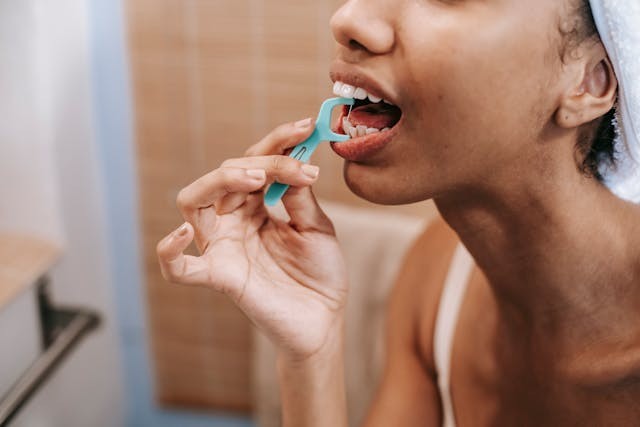
– Mechanical Cleaning: Brushing twice daily with fluoride toothpaste and flossing to remove plaque from areas brushes cannot reach.
– Hydration: Drinking water helps maintain saliva production, which is the mouth’s natural defense against acid and bacteria.
– Dietary Awareness: Reducing the intake of processed sugars is essential, as sugar is the primary fuel for the bacteria that cause cavities. Conversely, a diet rich in calcium, vitamins, and minerals (found in fruits, vegetables, and dairy) provides the building blocks for strong enamel and gum tissue.
2. Professional Oversight
Home care cannot replace professional clinical examinations. Regular check-ups—such as those provided by specialists like the Stotfold Dental Clinic —are essential for early detection. Dentists can identify microscopic signs of decay or periodontal disease long before they become painful or expensive to treat.
The Psychological and Lifestyle Connection
Beyond the biological implications, oral health significantly dictates quality of life. Dental issues such as chronic pain, tooth sensitivity, or visible decay can lead to:
– Reduced Self-Confidence: Affecting social interactions and professional presence.
– Nutritional Deficiencies: Difficulty chewing certain foods can lead to a restricted, less nutritious diet.
– Daily Discomfort: Chronic oral pain is a constant distraction that impacts mental focus and general happiness.
Conclusion
Oral health is an inseparable component of systemic health. By treating dental care as a preventative medical necessity rather than a cosmetic luxury, you protect not just your smile, but your entire body’s long-term resilience.