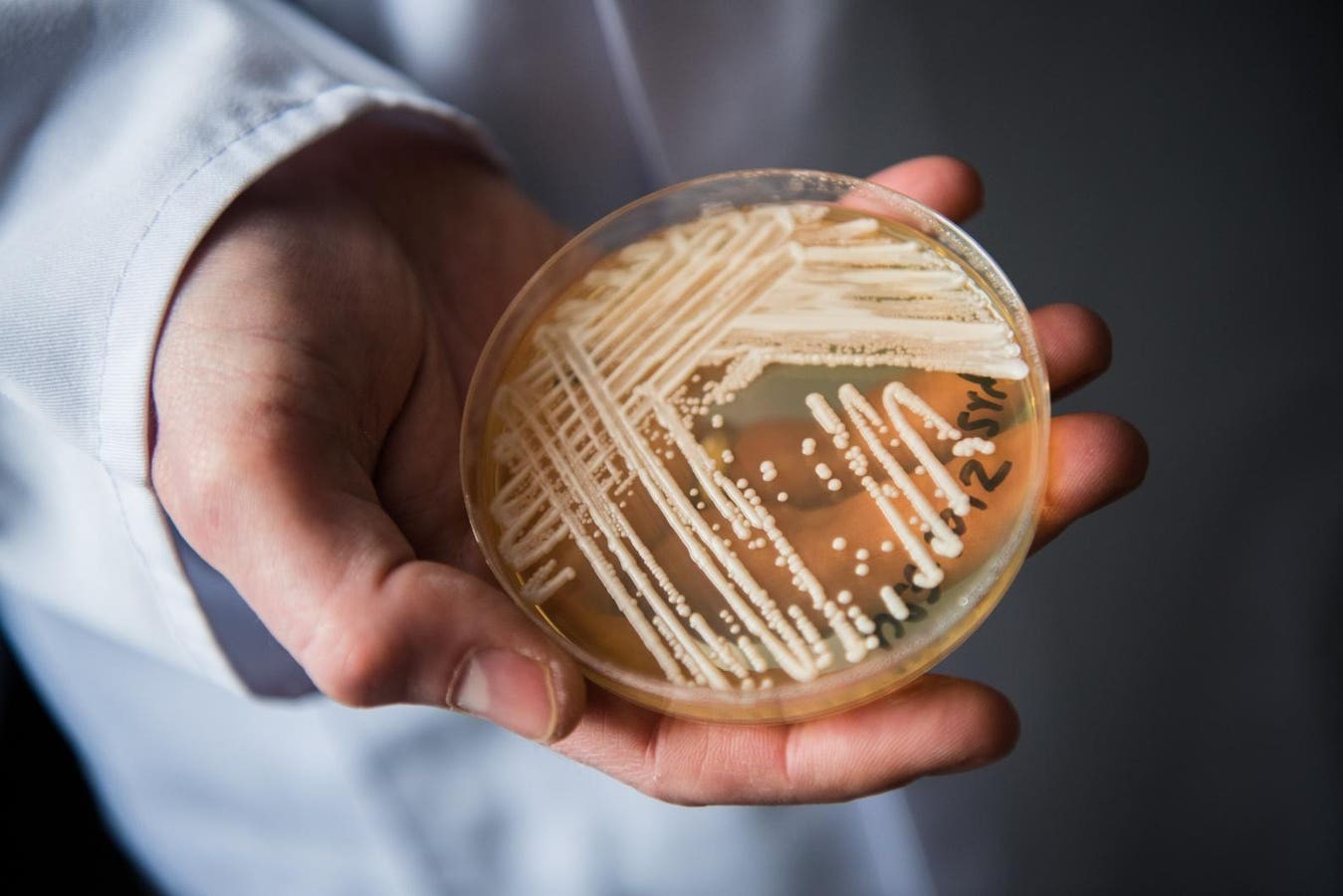
Is the drug-resistant fungus Candida auris spreading, or are we just looking harder?
The recent data doesn’t let you have it both ways.
A report released recently breaks cases into two buckets. First, clinical cases —that’s the fungus found while hunting for a suspected infection. Second, screening cases —where doctors swab patients just to see if the organism is hanging out on the skin. Colonization. Not infection, just presence. Because colonization usually precedes the actual disease, one patient can show up in both categories. You can’t sum them. You’d be double-counting. Both numbers climbed sharply between 2022 and the end of 2024.
Steep.
But here’s the problem: effort looks like biology if you don’t measure for it.
Hospitals expanded their testing protocols. Screening cases became nationally notifiable in 2023. That administrative flag alone inflates the count, regardless of whether the fungus actually transmitted. The CDC won’t try to parse how much of this rise is transmission versus detection. They can’t apportion it. It’s a blurry line.
Except for one slice. The blood.
About a third of all clinical cases originate in blood. The rest? Urine. Wounds. The respiratory tract. In those spaces, the fungus is often just colonizing. Invading is different.
Blood infections leave no doubt. When it’s in the blood, it’s disease. The lab has to identify the species because the treatment hinges on it. But when it’s yeast in sputum or urine, labs often stop short, reporting only generic yeast until recently. It takes time to upgrade methods. It takes money. So the non-blood numbers climb partly because the tests got better, not because the patients got sicker.
Blood is close to proof.
Here is what happened. Blood cases rose about 60 percent across the two-year window, jumping from 991 to 6,1,586. All clinical cases more than doubled. The math shifts. Blood’s share dropped from a third to a quarter. Where is the faster growth hiding? In the urine, the lungs, the wounds. The ambiguous zones. Much of that increase is colonization. If you want to know how much invasive disease grew, look at the 60 percent from the blood. Ignore the headline about the doubling. It’s misleading.
The Slowdown
One trend is actually calming.
The total keeps climbing, sure. But the rate of climb is shrinking.
Think about that.
Between 2021 and early 2022, the increase was 96 percent. Then 54 percent. Then 40 percent.
Why the brake? The CDC points to routine. Infection control. As the pandemic crushed staffing and supply chains, defenses fell. Now they are returning. Staff are back. Protocols are intact. The rate of new cases is slowing down exactly what happens when a system repairs itself. It’s not magic. It’s boring, unglamorous work paying off.
Moving To The Door
The screening strategy flipped too.
Where did hospitals look for these carriers? In long-term acute care hospitals. The ventilator units. Places where vulnerable bodies cluster. That used to be the hotspot. In early 2020s data, long-term care accounted for more than half—56 percent —of detections. Ordinary acute care hospitals? Only 25 percent.
By late 2020? It inverted.
51 percent in ordinary hospitals. 36 in long-term.
The explanation is simple. Hospitals started screening at admission.
They caught carriers right at the front door, before the organism could move to a roommate or a bedside rail. The fungus isn’t necessarily moving between facilities anymore. It’s being found before it enters.
The patients didn’t change.
Ninety percent are over 45. 61 percent are men. These aren’t random victims. These are the people with classic risk factors: long stays. Central lines. Heavy antibiotic use. Ventilators. The male skew remains a mystery, consistent every year, unexplained by any obvious biological marker we know yet.
So here is the real threat. Not the numbers. But resistance.
Nearly every isolate already defeats fluconazole.
What decides if this fungus becomes a catastrophe is what comes next. Do we see more strains that defeat the echinocandins? What about panned resistance, defeating every antifungal at once?
If those stay rare, we are lucky.
If they don’t? We’re in trouble.
The surveillance system can’t tell you the answer. It records where the fungus lives, not how strong the medicine has become to kill it. That’s the gap. And it’s getting wider.