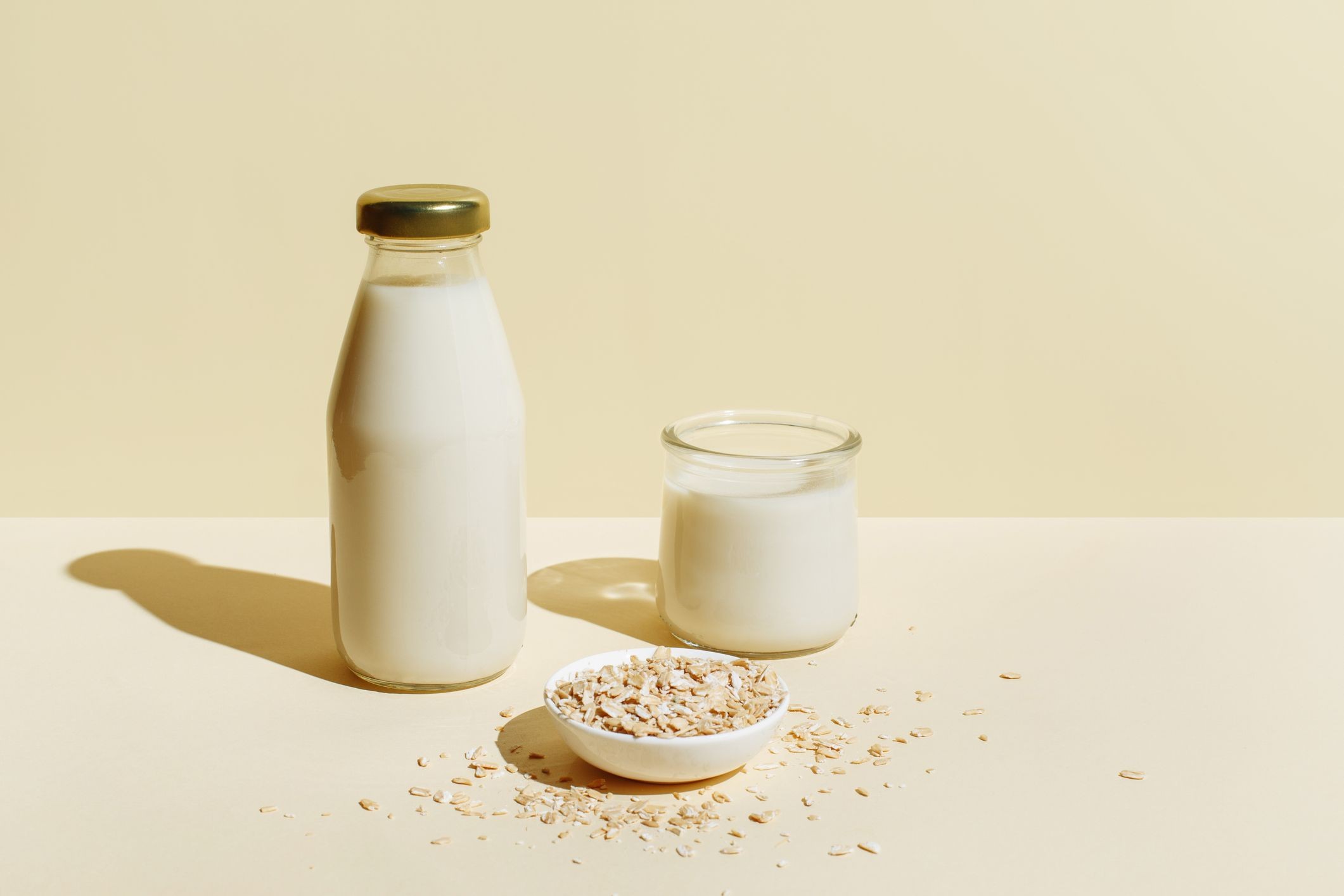
Oat milk has surged in popularity as a creamy, vegan-friendly alternative to dairy. However, beneath its smooth texture lies a nutritional profile that may not be ideal for everyone—particularly those monitoring their glucose levels. Because of its unique composition and processing methods, oat milk can trigger more significant blood sugar spikes than other plant-based milks.
The Science of the Spike: Why Oat Milk is Different
Unlike almond or soy milk, oat milk is fundamentally higher in carbohydrates. The way it is manufactured plays a crucial role in how our bodies process it.
To achieve a creamy consistency, many manufacturers use amylase enzymes during production. These enzymes break down the complex starches found in oats into simpler sugars, such as maltose. While this makes the milk taste naturally sweeter and smoother, it also makes the sugar much easier and faster for the body to absorb.
This process results in a moderately high Glycemic Index (GI) of 59.6. For context, the Glycemic Index measures how quickly a food raises blood glucose levels; the higher the number, the faster the spike.
Nutritional Breakdown: A Comparison
When choosing a plant-based milk, the carbohydrate count is a vital metric for metabolic health. Oat milk is significantly higher in carbs than its competitors:
| Milk Type (per cup) | Approximate Carbohydrates |
|---|---|
| Oat Milk | 14g |
| Coconut Milk | 7g |
| Almond Milk | 3.4g |
| Soy Milk | 3.2g |
Furthermore, oat milk is often low in the very things that help stabilize blood sugar: protein and fiber. A standard cup of unsweetened oat milk contains only about 1.9 grams of fiber and 4 grams of protein, which may not be enough to slow down the absorption of its 14 grams of carbohydrates.
Factors That Influence Your Response
The impact of oat milk on your body isn’t just about the milk itself; it is heavily influenced by what you eat with it.
- The “Solo” Effect: Drinking an oat milk latte on an empty stomach or as a standalone beverage is more likely to cause a rapid glucose spike.
- The “Synergy” Effect: Pairing oat milk with foods rich in protein, healthy fats, or fiber can “blunt” the glycemic response. For instance, consuming an oat milk latte alongside eggs and avocado provides the body with nutrients that slow digestion, leading to a steadier rise in blood sugar.
- Added Sugars: Many commercial brands add extra sugars and flavorings for taste. These sweetened varieties can contain more than double the carbohydrates of unsweetened versions.
Who Should Be Cautious?
While oat milk can certainly be part of a balanced diet, certain groups should approach it with caution:
- Individuals with Diabetes or Insulin Resistance: The higher GI and carbohydrate load can make blood sugar management more difficult.
- Low-Carb/Keto Dieters: Oat milk is generally too high in carbohydrates to fit into strict ketogenic protocols.
- Those Aiming for Weight Management: The combination of higher carbs and potential added sugars may impact caloric goals.
Practical Tips for Consumers
If you enjoy the taste and texture of oat milk but want to protect your metabolic health, consider these strategies:
- Prioritize “Unsweetened”: Always check labels to avoid unnecessary added sugars.
- Watch the Additives: Be aware that many brands add oils (like canola or sunflower) and emulsifiers (like lecithin) to improve texture.
- Mix and Match: If using oat milk, ensure your meal includes adequate protein and fiber to stabilize your energy levels.
- Consider Alternatives: If your primary goal is low carbohydrate intake, unsweetened almond or coconut milk are much more efficient options.
Summary: While oat milk is a delicious dairy alternative, its high carbohydrate content and enzymatic processing can cause moderate blood sugar spikes. To minimize this impact, choose unsweetened varieties and pair them with protein-rich foods.