Explosive diarrhea. Cramps. Fatigue.
If you’ve had a Taco Bell burger or salad recently, you might be worrying. You shouldn’t ignore it either. Health officials are tracking a massive cyclospora outbreak across at least 34 US states. Thousands have gotten sick.
The suspect? Shredded iceberg lettuce.
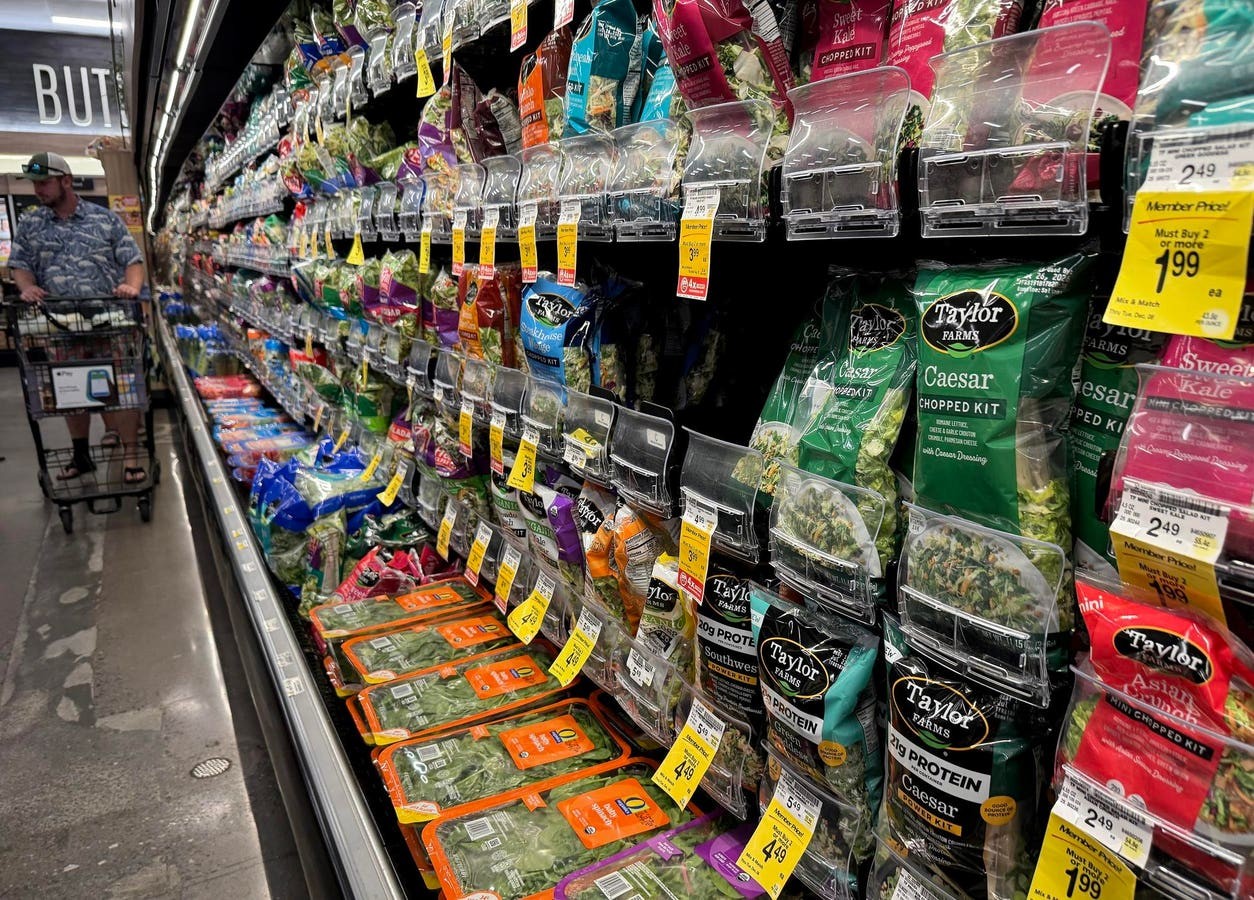
Taylor Farms supplied it to Taco Bell from Mexico. But here’s the rub: investigators haven’t pinned every single case on just one batch. It’s messy. Complex. And potentially ongoing.
So what are you supposed to do with that crisper drawer full of greens? Let’s break down the cyclospora parasite transmission routes so you know what’s actually risky and what isn’t.
What Causes Cyclosporis Cases Right Now
This isn’t a mystery bacteria like Salmonella or E. coli. Cyclosporiasis comes from Cyclospora cayetanensis. A microscopic parasite.
It’s fecal-oral, plain and simple. Fresh produce gets touched by human waste—often through irrigation water or wash cycles that are compromised.
Victoria Forster, a biologist tracking the spread, points out that imported and domestic leafy greens have a history here. Basil, cilantro, raspberries, pre-packaged salads. The parasite hangs out in places that usually don’t get cooked.
“In the U.S. cyclosurioss has repeatedly been linked to contaminated fresh produced that has come into contacted with feces,” Forster notes.
Recent CDC data ties a lot of these cases back to that iceberg lettuce specifically in the Midwest. Indiana. Kentucky. Ohio. Michigan. West Virginia. But surface water is the bigger culprit. It only takes a tiny amount of contamination from a leaking sewer or septic system to ruin a crop.
Why This Cyclospira Spread Happens Faster In Summer
You don’t catch it from a friend at work. Usually.
Person-to-person spread is rare. Most people ingest it. They drink contaminated water. Or they eat raw produce that didn’t get washed right.
Dr. Omer Awan highlights that anyone can get sick. But it’s harsh on those with weaker immune systems. Think pregnant people. Kids. Seniors. Patients on chemo. Their bodies struggle to mount a defense against the invader.
There is also a weather factor. Cyclospora likes the heat. It literally needs warm, humid conditions to mature before it can infect humans.
Joshua P. Cohen points to the climate angle. Rising global temperatures are bringing tropical diseases to new latitudes. The hotter it gets, the easier the parasite survives outside of a host. Is climate change driving these outbreaks? Possibly. Definitely something to watch.
How To Reduce Cyclosporia Exposure Risk
Okay. You’re still hungry. Here’s the practical side.
Wash your hands. Really. 20 seconds minimum. Scrub the veggies.
Does washing kill the parasite? No. It’s resilient.
But it helps. Awan says thorough washing and scrubbing can displace up to 90% of those pesky particles. Refrigeration slows things down too. Cold stops growth. Hot stuff helps it multiply.
If you want true safety? Cook it.
158°F. That’s the magic number. Heating the food effectively kills the organism. So that spinach salad you were planning? Sautee it. The raw route is where the danger lives.
“The only way to eliminate the parasite form produce is by cooking,” Awan writes. “It’s not a guarantee.”
Even washing isn’t perfect. It just reduces the load.
Symptoms And Treatment For Food Poisoning From Parasites
You’ll feel terrible. Expect severe diarrhea. It can last a long time. Stomach cramps follow close behind. Nausea hits. You’re exhausted.
Timing varies wildly. You could feel fine for two days. Or a full week. Some people wait two weeks before the first wave of sickness. This is the incubation period. It’s frustrating.
Dehydration is the real enemy here. Your body loses fluid faster than it can keep up.
Most folks bounce back on their own. If it doesn’t clear up quickly? There is treatment. The drug Trimethoprim-sulfamexazole (TMP-SMX) is an antiparasitic. It works for most patients.
Listen to this rule from Dr. Awan: If diarrhea persists past three days. Go. To. A. Doctor.
The Future of Cyclosporos Investigation
Case counts are rising. Officials think they’ve found the lettuce link. But doubt lingers. What else is contaminated?
The current situation exposes a crack in our food safety net. Forster highlights cuts to CDC funding—specifically to FoodNet. That network tracks active foodborne diseases across federal agencies like the FDA, USDA, and state departments.
In 2025, they trimmed the active surveillance for certain pathogens. Cyclospora was one of them.
Some experts say the local and state reporting keeps things stable. That there’s no massive blind spot yet.
Others disagree. Less monitoring means slower detection. Slower detection means more people eat bad greens. And while we argue over funding cuts, the summer heat continues to cook. The parasite thrives.
The question remains: Do we have enough eyes on the problem to stop the next wave before it hits your plate?
Maybe. Probably not completely.