You’re at your desk. It’s 3 PM. The brain fog is rolling in.
You crave sugar. Obviously.
If you manage type 2 diabetes, that vending machine is basically a minefield. One wrong move and your glucose spikes. Then it crashes. You’re left staring at a spreadsheet like it’s written in ancient Aramaic.
Good news though.
Snacking at work doesn’t have to be a health risk. In fact, the right snacks can keep you energized without the rollercoaster ride.
Lindsay Malone, RD at Case Western Reserve, breaks it down.
“A healthy snack for people with diabetes must combine protein and produce. The fiber from the fruit or veggies slows digestion. Protein keeps you full. Blood sugar stays flat.”
Flat is good here. We aren’t trying to hit a peak. We’re trying to stay level.
Here is how you do it without needing a fridge, though having one helps.
The Desk Drawer Staples (No Fridge Needed)
Bananas + Protein Bars
Yes, bananas have sugar. But paired with a protein bar, they behave better. The protein slows the digestion of those carbs.
Malone suggests bars with 6–10 grams of protein for mini sizes, or more for full size. Watch the added sugar. If the label says the serving has 5% of your Daily Value or less, you’re in the clear. Aim for under 15g of carbs total.
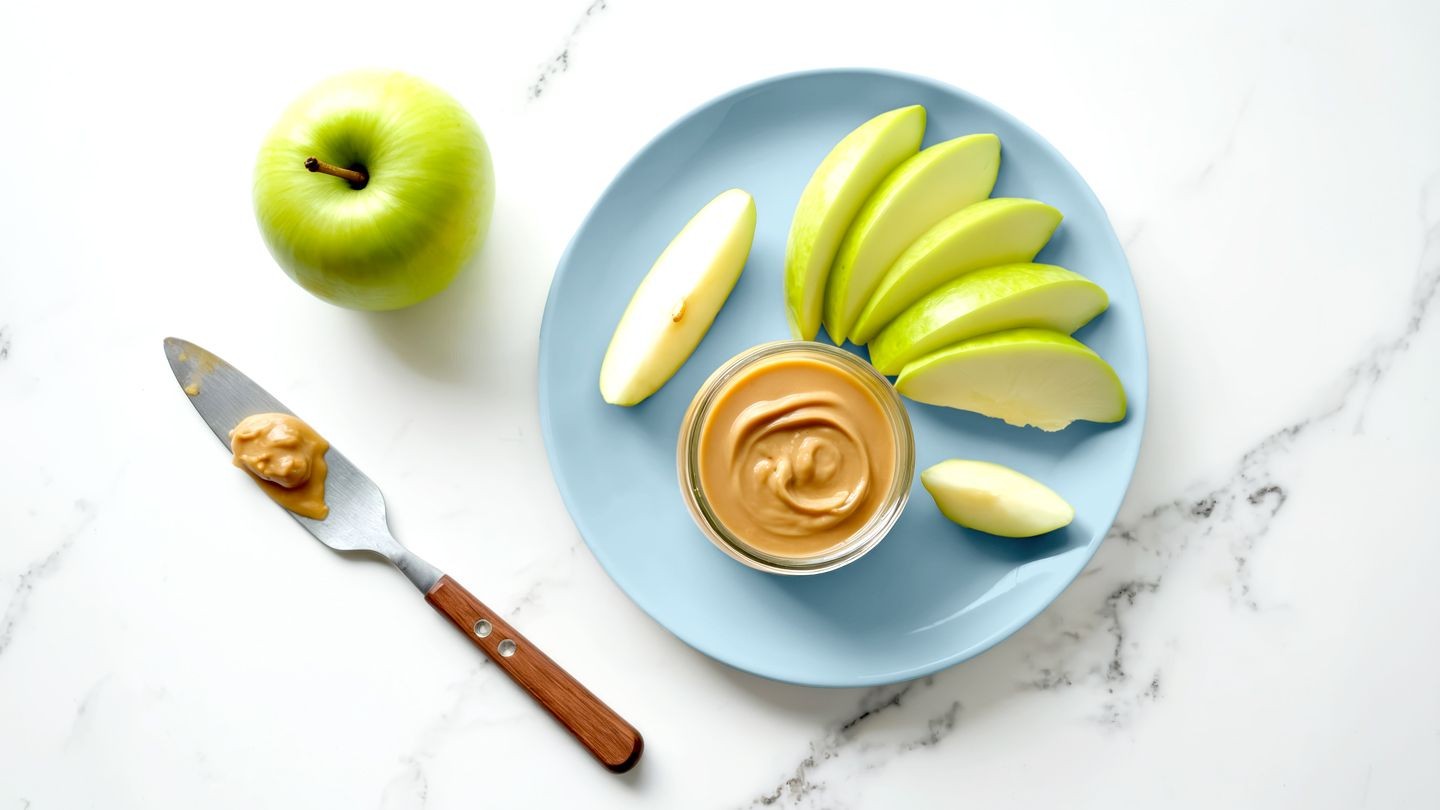
Apples or Pears + Nut Butter
Classic. For a reason.
The fruit brings fiber. The almond or cashew butter brings fat and protein. It’s a balanced hit. Nut butters also last forever once opened—up to three months at your desk. They deliver vitamin E and B vitamins while you’re clicking through emails.
Turkey Roll-Ups
Skip the bread.
Wrap low-sodium turkey slices around cucumber strips or green bell pepper pieces. Green peppers are almost calorie-free but pack fiber. It’s protein plus crunch. Just make sure the turkey isn’t drowning in nitrates and sodium. Fresh deli meat is always the winner here.
Jerky + Leafy Greens
Beef jerky is shelf-stable. It’s portable. But processed meat comes with warnings—heart disease risk, nitrates, sodium.
Don’t eat it every day. Treat it like a garnish. Pair a small serving with kale or spinach to add antioxidants that protect your cells from diabetes-related damage. Look for jerky brands like Archer or Chomps that skip the heavy nitrates and sugars.
Meat Sticks + Baby Bell Peppers
Same vibe as the roll-ups. Lean meat sticks are grab-and-go. Baby peppers require zero prep. Just grab a stick and a pepper. Crunch. Chew. Move on.
Malone recommends sticking to meat sticks with under 2g of saturated fat and zero nitrates. They’re convenient, but they’re still processed. Keep that in mind.
Popcorn + Roasted Edamame
Air-popped, not microwave bags loaded in oil and artificial cheese flavor.
One cup of popcorn gives you 15% of your daily fiber needs. Roasted edamame is a powerhouse of protein and fiber. Lindsay-Adler calls it one of the best filling, shelf-stable snacks available.
The Fridge Fresh Finds
Cottage Cheese + Cherry Tomatoes
Need a fridge? Good. Cottage cheese is protein-dense with very few carbs.
Toss in some grape or cherry tomatoes for hydration and fiber. Malone says this combo prevents blood sugar spikes nicely.
Greek Yogurt + Berries
Nonfat. Plain. Greek.
The triple threat of low fat, low sugar, and high protein. Then add berries—blackberries, blueberries, raspberries. They have antioxidants and less sugar than most other fruits. The protein and fiber team up to keep glucose steady.
Cucumbers + Tuna on Crackers
This sounds fancy, but it’s just a better snack.
Tuna gives protein. Cucumbers give volume and hydration. The trick is the cracker. Don’t pick “wheat flour” labeled junk. Look for actual whole grains like whole-wheat or whole-rye flour, preferably with chia or flax seeds.
Hummus + Cauliflower
Cauliflower florets are crunchy and non-starchy. They fill you up. Dip them in hummus for healthy fats and protein. Make it yourself if you want to control the sodium in the chickpeas, or buy the low-sodium tub at the store.
Protein Shakes + Apple
Sometimes you don’t want to assemble anything.
A ready-to-drink protein shake works in a pinch. But Malone advises keeping an apple in your pocket or bag.
Why?
Shakes lack fiber. Apples are 100% fiber. Aim for shakes with about 15g+ protein per 100–200 calories and less than 5g added sugar. Pair that with an apple, and you’ve covered the fiber deficit.
How to Actually Choose
It comes down to reading the label. Really looking at it.
When you see “Added Sugar” on the nutrition panel, look at the % Daily Value (% DV).
If it says 4%, that’s good. Anything under 5% is low.
If it says 25%, put it back.
Also, ignore the “Whole Grain” buzzword on some cracker boxes unless the ingredients confirm it. “Wheat flour” usually means refined flour. You want “Whole wheat flour,” “Whole rye,” or “Brown rice flour.”
Diabetes management is about consistency, not perfection. Sometimes you’ll grab a cookie. Sometimes you’ll forget your apple.
That happens.
The goal isn’t to live in a sterile diet vacuum. It’s to find snacks that don’t wreck your energy levels for the afternoon ahead.
Try the turkey rolls this week. Keep the edamame in the drawer.
See how you feel.
It’s a small change, but blood sugar levels don’t like surprises. Neither does your afternoon productivity.