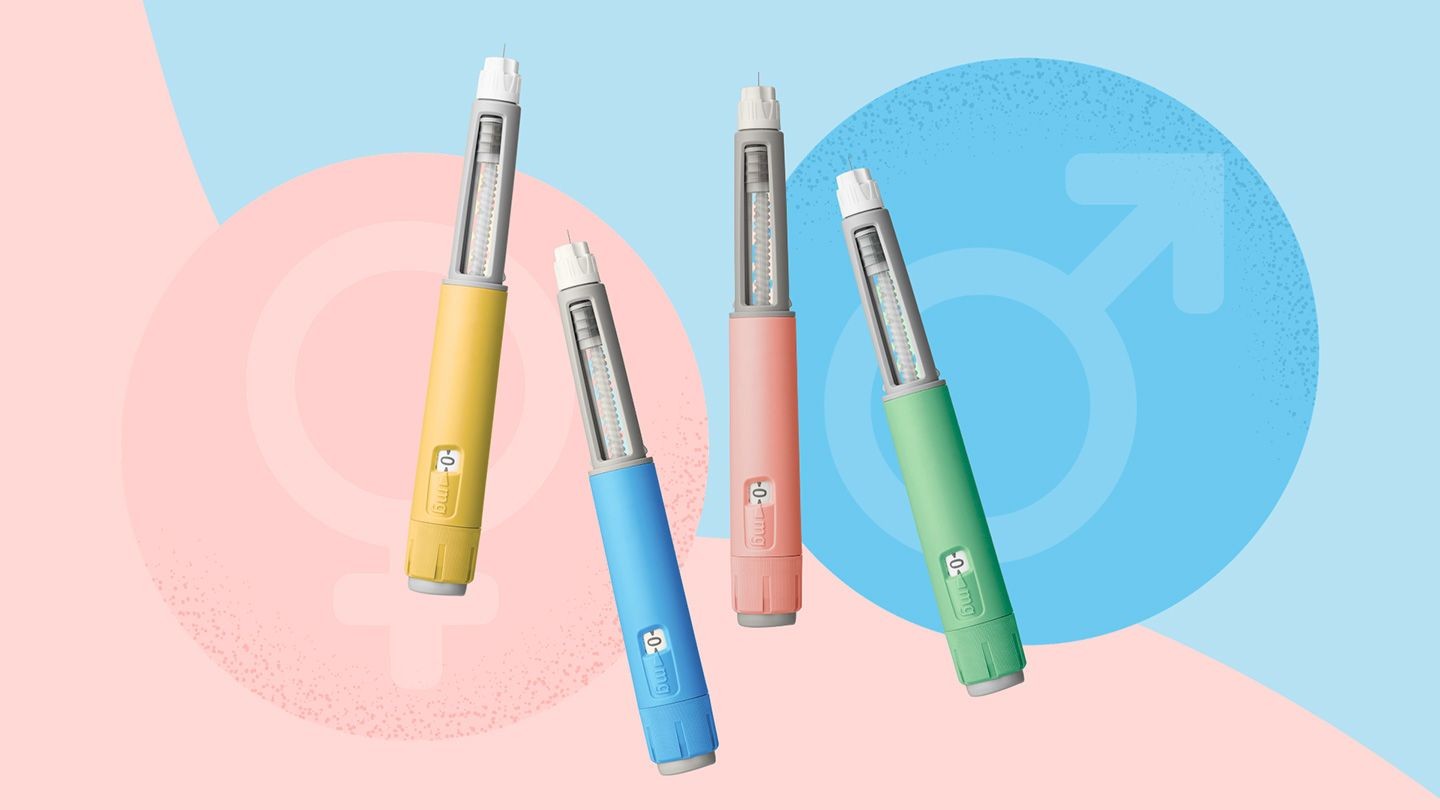
GLP-1 meds are heavy hitters. Ozempic, Wegovy, Mounjaro, Zepbound — they reshape metabolic health with alarming speed.
But here’s the thing. Not everyone responds the same way. And the data is starting to suggest a simple biological divide: sex.
It’s not about personality or willpower. It’s hormones, body composition, and how our bodies clear chemicals. If you’re prescribing these or taking them, ignoring biology feels like a missed step.
The Weight Gap: Women Drop More, Men Drop Less
Look at the numbers from large-scale trials. Women lose roughly 11% of their body weight on GLP-1s men, on average, shed about 7%.
That gap is statistically significant. Dr. Caleb Alexander from Johns Hopkins ran the data and found sex was the only variable among six major factors that predicted different efficacy results.
Age? No. Race? No. Baseline BMI? Surprisingly, no. Just sex.
Why?
- Dosage dynamics: Women often weigh less. A fixed milligram dose might hit them harder simply because there’s less mass to distribute it across. Their bodies might also clear the drug slower.
- Body makeup: Women generally carry more body fat and less muscle mass. Men have higher baseline metabolic rates fueled by lean mass. These differences dictate how quickly the scale moves.
- Estrogen: This might be the game changer. Estrogen seems to synergize with GLP-1 signals. Dr. Alexander suggests the hormone amplifies the drug’s effect on brain pathways related to reward and intake.
Side Effects Are Gendered Too
Efficiency has a price. For many women, it’s nausea.
A recent preprint study found women taking semaglutide or tirzepatide were 2.5 times more likely to report vomiting and nausea than men.
More misery per pound lost.
This isn’t random. Higher levels of estradiol in women are linked to both the weight loss success and the gut distress. Nausea keeps women eating less than their male counterparts might — which, ironically, could partly explain why they lose more weight. The drug works too well for their tolerance, sometimes.
Is there a fair balance there?
Not really.
Hormones and Fertility: Complicated Chemistry
GLP-1s don’t just affect appetite. They tangle with the reproductive system in ways we’re still unpacking.
For women
- PCOS/PMOS: The drugs may help. Improving insulin sensitivity can regulate periods, lower androgens, and improve ovulation in women with Polycystic Ovarian Syndrome. Some see better pregnancy outcomes. But it’s uneven data. Promising, but not proven.
- “Ozempic Babies”: Weight loss normalizes cycles. Some women who couldn’t conceive suddenly can. This is a side effect, not an indication.
- Contraception: Watch this closely. Oral birth control absorption changes when starting GLP-1s or raising the dose. The pill may stop working. If you get pregnant while the drug is active, that’s risky. GLP-1s are generally contraindicated during pregnancy.
For men
- Testosterone: Obesity tanks testosterone. GLP-1s lower weight, which sometimes helps testosterone rebound.
- Sperm quality: Early reviews suggest possible improvements in sperm measures for men with metabolic issues.
It’s mostly indirect effects for men. Weight drops, hormones follow. But experts aren’t ready to call it a fertility treatment.
The Post-Meno Pause
What happens when estrogen drops out entirely?
GLP-1s help postmenopausal weight gain — that part is solid. But without estrogen, the drugs might lose some punch.
A Mayo Clinic observation showed women on hormone therapy lost 35% more weight on tirzepatide than those not on it. Correlation isn’t causation, sure. But it points toward estrogen’s role as a co-pilot for these medications.
Muscle and Fat: Where Does the Mass Go?
This is where things get murky.
Major weight loss usually costs muscle. GLP-1 users are prone to this. Dr. Michael Schwartz notes it’s a dilemma.
Men start with more muscle. So they can afford to lose it. Women start with less. So every ounce counts more. Who suffers more sarcopenia (muscle loss) is unclear.
“Women have less to spare.” — Dr. Michael Schwartz
Regardless of gender, the fix is mechanical: Lift weights. Eat protein.
It’s not optional. Without resistance training, you risk losing bone density too — especially for postmenopausal women already staring down osteoporosis.
And yes, men tend to lose more visceral fat (the dangerous stuff around organs). They get a bigger waistline drop proportionately. But fat distribution is personal, not strictly sexual. A thin person can have high visceral fat. A larger person can be metabolically healthy.
The Bottom Line
Sex-specific risks exist. But biology isn’t destiny.
You still have to treat the human, not just the gender category.
- If you’re a woman of childbearing age? Talk to your doctor about birth control failure rates before you start.
- If you’re post-menopausal? Check your bones. Lift heavy things.
- If you’re male? You might shed less total percentage, but you’ll likely clear more gut rot.
The drug doesn’t care about your gender as much as you care about your adherence to resistance training and protein intake.
Expect the side effects. Plan for the variables. Don’t expect the marketing copy to tell you how it works in your body.
Editor’s note: Data sourced from recent meta-analyses including Alexander et al. (JAMA Intern Med) and observational studies from Mayo Clinic and UW Medicine. Consult a physician before starting GLP-1 therapies.