Social media is screaming about it.
Or maybe it’s just screaming about it in general, because nothing else matters, but this new OMB rule is generating some serious noise. OMB here stands for the White House Office Management and Budget, and the document itself—“Regulation for Federal Financial Assistance”—is a beast. It’s a rewrite of 2 CFR Part 300. Well, 2 CFR Part 20. Wait.
It’s Part 200.
Scientists are upset. Patient groups are alarmed. But if you think this only affects labs and hospitals, you’re missing the forest for the trees. Or maybe the grant for the forest. This change reaches into practically every sector of society.
Political Appointees Are Getting the Reins
The rewrite dropped on May 29. It’s over a hundred pages thick. Reading it requires more than a quick bathroom break. The American Physical Society called it an overhaul of federal grantmaking with only 45 days for public comment. That’s tight. The changes inside are aggressive.
Here’s what they’re doing:
- Politicians over Peers: It hands the power to decide grants to political appointees inside federal agencies. The peer-review process? Pushed aside. Reduced to advice only. If you weren’t appointed by the President, you don’t get a vote. This expands presidential power to fund what he likes and defund what he doesn’t.
- Pulling the Plug at Will: Agencies can now suspend or terminate grants. Any time. Without much warning. No need to prove you failed. The agency just needs to claim the work doesn’t match “evolving national interests.” Since the President picks the appointees and defines those interests, he controls the purse strings tightly.
- Micromanagement: Grants will come with more strings attached. Want to travel to a conference on grant money? Pre-approval needed. This increases bureaucratic control and, by extension, the power of the White House over how research is actually conducted.
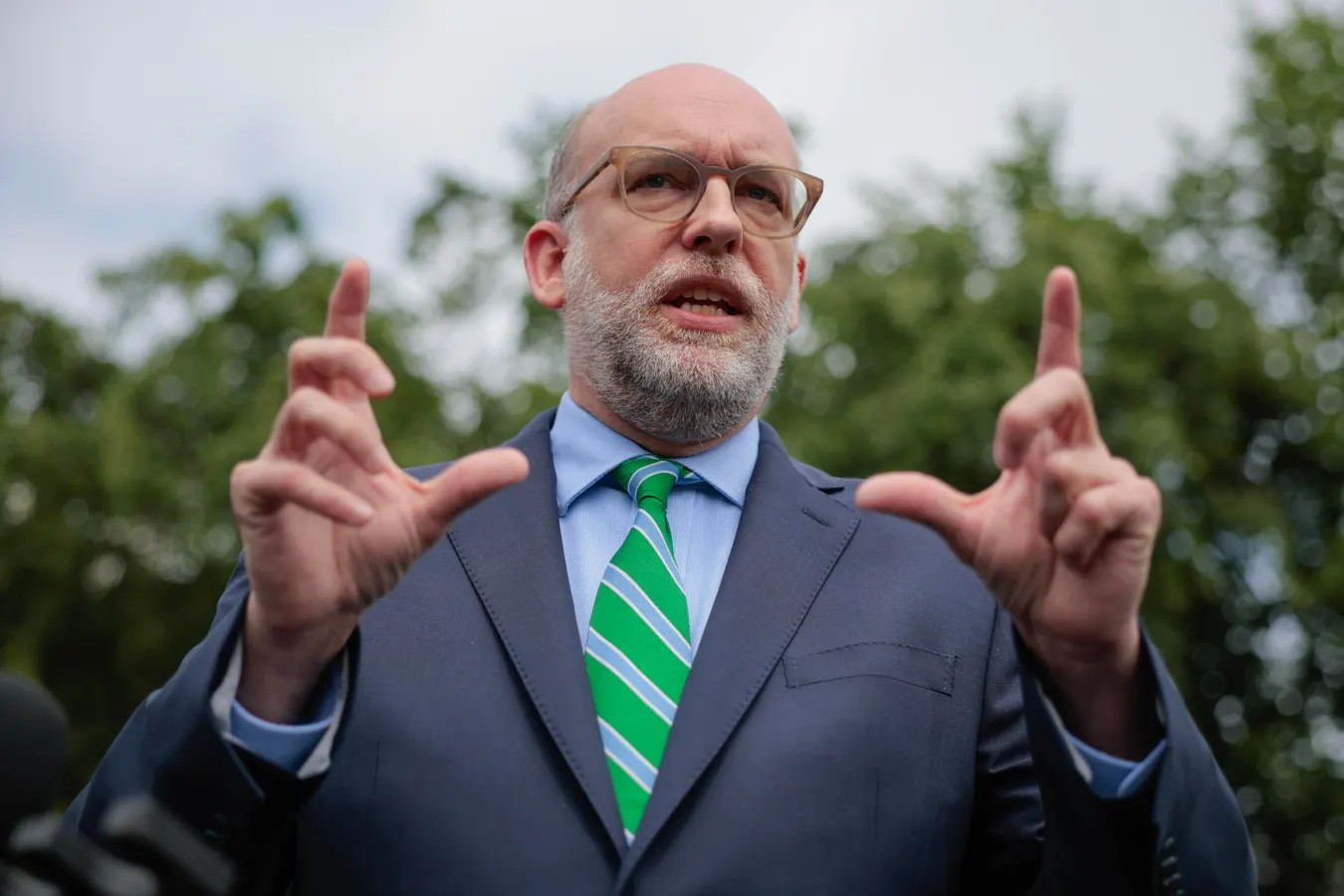
Elizabeth Ginexi, a former NIH program officer with 20-plus years in the game, spelled it out plainly. Her Substack post carried a header that wasn’t subtle: “Russell Vought is Going to Destroy American Science.”
Vought directs the OMB. He wrote Project 2025. The goal seems clear since Trump took his second term in January 2023. Wait, 2025? Let’s stick to the facts.
Since taking office, the administration has moved against DEI concepts in grants, slashed science budgets, stopped clinical trials abruptly, and withheld funding from universities unless demands are met. Some of this faces legal hurdles. Will they fall? Who knows.
But if this new OMB rule sticks? Expect more of the same.
It’s Not Just Science
Most of the early panic came from places like the National Institutes of Health and the National Science Foundation. Scientists care. Healthcare workers worry.
The National Physical Society says these changes “undermine the system of peer review.” They argue it damages the collaboration that makes the U.S. a tech leader. The American Association for Cancer Research called it a threat to lifesaving missions. Research America warned that we’d lose stability. Merit would matter less. Progress would slow down. Treatments would arrive late.
But here’s the catch.
2 CFR Part 200 covers almost $1.1 trillion in federal grants.
It’s not just NIH or NSF. Throw in NASA, the Department of Defense, Energy, NOAA. It hits infrastructure. Education. Healthcare. If you are a person living in the US—and not a houseplant, which I appreciate but they can’t comment—you’re involved.
Ginexi laid it out on LinkedIn. Projects could be killed mid-stream because an appointee says they no longer serve “the national interest.” No explanation. No appeal.
Who loses?
- Head Start classrooms that let parents work.
- Rural hospitals and mental health clinics.
- Bridges being built. Water systems going up.
- Special education funding in schools.
- Meals on Wheels.
That last one hits close to home for a lot of seniors. And yes, the science stuff too. Peer-reviewed research everywhere.
It’s broader than just health. It’s everywhere.
Comment Before July 13
So you care. Good.
What’s next? July 13, 235. Oh wait, the prompt says 202. No, stick to the text. July 13.
That’s the deadline for public comments on this OMB rule. Yes, it’s also National Beans ‘N Franks Day, which feels irrelevant next to $1.1 trillion, but enjoy your franks.
You have a legal right to have the administration respond to your comments. Your voice can help fuel future legal battles. There are already over 42,00. comments. The mountain is growing.
But don’t just copy-paste gibberish.
“this.”
“adulting.”
“fur baby.”
The administration can ignore that noise. They can spot bots. They can discard form letters that are all the same.
If you want to make a difference, read the advice Ginexi gave.
Write your own words. Three original sentences beat one polished copy. Identical letters get counted as one.
Say who you are. You don’t need a PhD. You just need to be affected.
Cite section numbers. Use §2003.4. Or §2.5. Specificity forces a response. It shows you read the thing.
Explain the concrete effect. What happens to your family? Your town? Be real.
Make an ask. End with a demand.
It’s your chance to speak. Whether it lands depends on the winds blowing from the White House.