




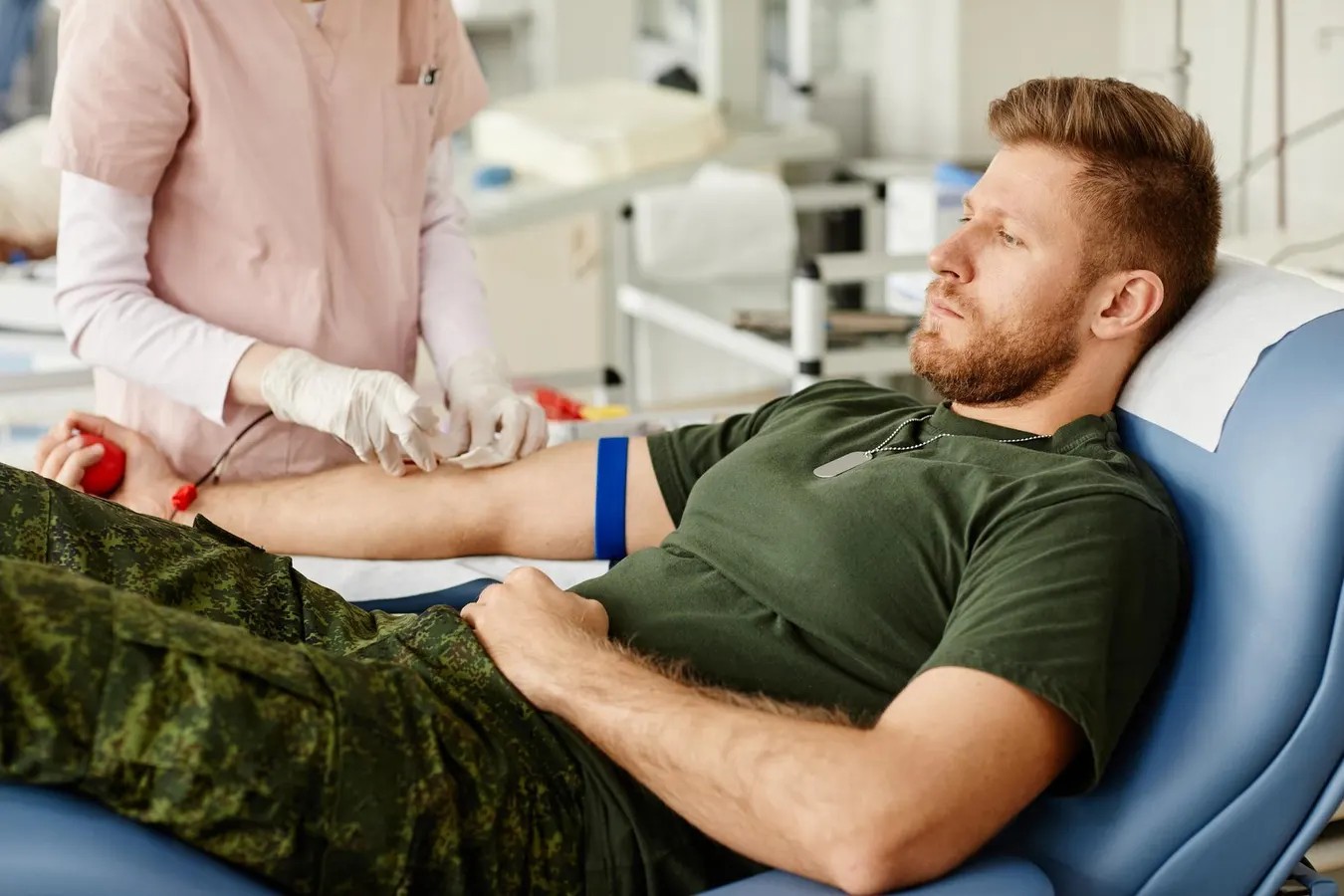
Пентагон починає те, що міністр оборони Піт Хегсет назвав “Високо-Т Міністерством оборони”. Директива наказує: проводити скринінг на низький рівень тестостерону для всіх військовослужбовців віком від 30 років. Якщо результати опускаються нижче від порогової позначки, пропонуватиметься замісна терапія.
Мета звучить логічно на папері: підвищити боєздатність. Сформувати стійкість. Забезпечити довгострокове здоров’я військ.
Але подивіться дані. Картина виглядає зовсім інакше.
Фундаментальна проблема над лікуванні. Проблема у стратегії тестування. Популяція, яку військові мають обстежити, анітрохи не схожа на чоловіків, які брали участь у ключових клінічних випробуваннях безпеки. А провідні медичні асоціації вже видали прямі попередження проти такого масового скринінгу асимптомних груп населення, які не виявляють симптомів.
Дані TRAVERSE не застосовуються до молодих і здорових бійців
Фундаментом медичного аргументу на користь безпеки тестостерону є дослідження TRAVERSE. Опубліковане в 2023 році з даними наступного спостереження, що підтверджують його значущість аж до 2024 року, це було найбільше коли-небудь проведене дослідження на цю тему. У ньому взяли участь 5246 чоловіків, яких рандомізували на щоденне використання гелю із тестостероном або плацебо.
Основний висновок був обнадійливим: не було зафіксовано збільшення числа основних несприятливих серцево-судинних подій. Ризик становив 7,0% у приймаючих тестостерон проти 7,3% у групі плацебо. Результат був настільки переконливим, що на початку 2024 року FDA зняло своє десятирічне попередження у чорній рамці про серцево-судинні ризики.
Але є каверза.
У дослідженні TRAVERSE не брав участі типовий 24-річний солдат піхоти. Навіть 32-річного спеціаліста без скарг там не було. Дослідження включало чоловіків віком від 45 до 80 років. Середній вік? Початок 60-х.
Кожен учасник мав дві загальні риси: підтверджений гіпогонадизм (рівень тестостерону вранці натще нижче 300 нг/дл) та наявність встановленого серцево-судинного захворювання або високого ризику його розвитку. Багато хто страждав надмірною вагою.
Питання дослідження звучало так: Чи безпечно лікувати виснажених чоловіків старшого віку з ризиком для серця тестостероном?
Відповідь була: так.
Це все, що каже це дослідження.
Воно не виправдовує тестування молодих здорових солдатів, у яких випадково виявився трохи нижчим за середнє значення того дня, коли вони погано виспалися. Воно не торкається проблеми хибнопозитивних результатів. Воно не стосується демографічної групи з радикально іншою біологією та профілем ризиків.
Чому масовий скринінг зазнає невдачі в молодих та здорових популяціях
Скринінг найкраще працює, коли стан поширений широко, а ризики високі. Він повністю провалюється, коли ви скануєте групу з низькою поширеністю стану, якого насправді немає у їхніх організмах.
У загальній популяції США груба поширеність андрогенної недостатності становить приблизно 6%. Але ця цифра сильно зміщена у бік літніх і хворих чоловіків із кількома супутніми захворюваннями, які знижують рівень гормонів.
Серед fit (підготовлених) військовослужбовців віком 30 років реальна поширеність клінічно значимого низького тестостерону, швидше за все, набагато нижча.
Коли ви проводите скринінг великої популяції, де лише нікчемна частка справді має цей стан, майже всі позитивні результати виявляються помилковою тривогою. Здоровий чоловік. Випадкові викиди.
Тестостерон нестатичний. Він вагається як маятник. Сон, хвороба, стрес, інтенсивність тренувань, споживання глюкози та доби — все це диктує рівні гормонів.
Ендокринне суспільство дає жорстку цифру цієї варіативності. Тридцять відсотків чоловіків, які показали рівень гіпогонадизму при одному тесті, повернуться до нормального діапазону при повторному обстеженні. Американська урологічна асоціація (AUA) йде далі. Вони зазначають, що внутрішньоіндивідуальна варіативність між тестами може становити від 65 до 153% залежно від методу аналізу. Використання кількох зразків скорочує маркер помилки на 30–40%.
Отже, що відбувається, коли Пентагон mandates (приписує) одноразовий щорічний скринінг?
Одна цифра. Можливо, взята вдень. Можливо, після важкого тренування. Можливо, не натще. Можливо, у солдата грип.
Ця єдина точка даних статистично марна. І потенційно шкідлива.
Саме тому ендокринне суспільство рекомендує проти рутинного скринінгу популяції. Їхня заява у відповідь на оголошення Пентагону була чіткою: немає достатніх доказів на підтримку скринінгу асимптомних молодих чоловічих популяцій на структурному рівні.
Приховані ризики: тромби, серцевий ритм та фертильність
Прихильники вказують на серцево-судинну безпеку TRAVERSE та зупиняються на цьому. Але безпека – це не лише інфаркти.
У дослідженні також було зафіксовано інші серйозні сигнали. Зросла частота тромбоемболії легеневої артерії. Поширилася фібриляція передсердь. Збільшилася кількість гострих ниркових ушкоджень та переломів.
Еритроцитоз – тобто аномальне підвищення маси червоних кров’яних тілець – є найбільш прямим побічним ефектом. У дослідженні TRAVERSE він торкнувся 17% користувачів тестостерону. Порівняйте це з 3,3% у групі плацебо. Густа кров дорівнює вищому ризику тромбозу.
Зняття FDA попередження про серце супроводжувалося новим застереженням. Тестостерон може збільшувати систолічний артеріальний тиск на вимірні 2-4 міліметри ртутного стовпа. Дрібниця? Можливо. Але у популяції, що працює в екстремальних фізіологічних умовах, важлива кожна змінна.
Критично важливо відзначити, що ці несприятливі події відбувалися у чоловіків похилого віку з існуючими станами. Чи застосовні вони однаково до 22-річних у піковій фізичній формі? Ми не знаємо.
Відсутність доказів перестав бути доказом відсутності.
Але є один ризик, який можна застосувати безпосередньо, негайно і незаперечно до багатьох молодих військових: безпліддя.
Прийом тестостерону пригнічує власне виробництво організмом. Це призводить до того, що рівень внутрішньояєчкового тестостерону (концентрації всередині яєчок, що стимулює вироблення сперми), зменшується до мінімуму. У нормі яєчкова концентрація приблизно в 100 разів вища, ніж у кровотоку. Екзогенний тестостерон обрушує цей показник.
Одне дослідження посилається на медичну літературу у тому, що дози всього 200 мг на тиждень внутрішньом’язових ін’єкцій можуть знизити внутрішньояєчні рівні на 94%. Усього за три тижні.
Керівництво AUA прямолінійне у цьому питанні. Не призначайте екзогенний тестостерон чоловікам, які намагаються зачати дитину.
Припинення прийому препарату який завжди негайно відновлює процеси. Відновлення виробітку сперми варіюється дуже сильно. У когось це займає шість місяців, а понад рік. У поодиноких випадках пошкодження може бути постійним.
Запитайте будь-якого військовослужбовця, який планує створити сім’ю, чи варто цей ризик трохи покращеного максимуму в присіданнях чи якіснішого сну. Ви отримаєте гучне “ні”.
Вправи – найкращий природний підвищувач тестостерону (який їм не прописують)
Ось іронія. Військові вже є найефективнішим фармакологічним втручанням для здоров’я гормонів і воно називається фізичною підготовкою.
Рандомізоване контрольоване дослідження вивчало чоловіків віком від 50 до 70 років із низьким-нормальним тестостероном. Схема була простою. Одна група отримувала тренування. Інша – тестостерон. Дехто отримував і те, й інше.
Результат?
Належні тренування значно покращили аеробну здатність, м’язову силу та знизили жирову масу. Лікування лише тестостероном? Не дало нічого для аеробної здатності чи сили понад базовий рівень.
Додавання тестостерону до програми тренувань додало обмежені переваги. Це не коштувало ризику. Дослідники дійшли висновку, що вправи мають бути основним втручанням.
А що щодо молодих військовослужбовців?
Їм не потрібен гель для нарощування м’язів чи покращення витривалості. Їм потрібен сон. Їм потрібний профіцит калорій із правильними макроелементами. Їм потрібне управління стресом. Хронічний психологічний стрес підвищує рівень кортизолу. Кортизол убиває тестостерон.
Замість рецептів багатьом солдатам, мабуть, потрібно просто налагодити циркадні ритми. Або скоротити вживання алкоголю. Або припинити перетренованість без адекватного відновлення.
Що солдатам та сім’ям дійсно потрібно робити
Якщо на щорічному огляді вам поставили відмітку про низький тестостерон, не панікуйте. І не підписуйтесь автоматично на терапію.
Терапія не є поганою медициною сама по собі. У чоловіків з підтвердженим гіпогонадизмом – хто дійсно відчуває ефекти (втрата лібідо, сильна втома, нестабільність настрою, виснаження м’язів) – заміна може відновити якість життя. Вона може захистити густину кісток. Може покращити метаболічні маркери. Дані про серцево-судинну систему для цієї конкретної, симптомної групи надійні.
Але ж одна цифра? Чи не діагноз.
Ось ваш план дій:
- Наполягайте на перездаванні аналізу. Посібники вимагають як мінімум двох різних показників низького рівня тестостерону вранці натще перед встановленням діагнозу. Тестостерон нестабільний. Не лікуйте знімок, беручи його за постійний портрет.
- Слідкуйте за часом. Рівні досягають піку між 3:00 та 8:00 ранку. Беріть кров рано. Натщесерце. Якщо лікар замовив аналіз після обіду чи після тренування, він є помилковим. Попросіть правильного забору крові.
- Перевірте очевидні вбивці тестостерону.
- Надлишковий жир? Жир конвертує тестостерон на естроген. Втрата ваги часто ефективніша за ін’єкції.
- Апное сну чи хронічне недосипання? Налагодьте сон.
- Алкоголь чи опіоїди? Виключіть їх.
- Ліки? Деякі антидепресанти та знеболювальні пригнічують вісь.
- Перетренованість? Дефіцит відносної енергії у спортсменів на витривалість обрушує гормони. Відпочивайте.
- Захистіть своє майбутнє. Якщо ви хочете дітей, скажіть про це негайно. Існують протоколи збереження фертильності — терапія хоріонічним гонадотропіном людини (ХГЛ), селективні модулятори естрогенових рецепторів (СМЕР) або кріоконсервація сперми, але їх потрібно ініціювати до або паралельно з плануванням терапії. Як тільки ви придушите яєчка, шлях назад довгий і невизначений.
- Зрозумійте зобов’язання. Початок замісної терапії тестостероном (TRT) – це не курсове лікування антибіотиками. Це зазвичай довічна підтримуюча терапія. Ви зобов’язуєтесь моніторити гематокрит, простат-специфічний антиген (ПСА), ліпіди і артеріальний тиск все життя. Гіпофізарна вісь може ніколи повністю не перезавантажитись сама по собі.
- Остерігайтеся «оптимізації». Пентагон не має мандата «оптимізувати» нормальних чоловіків. Використання тестостерону у людини з нормальними рівнями для продуктивності чи зовнішнього вигляду несе ризики без встановлених медичних переваг. Для цього конкретного випадку використання цієї популяції немає даних про безпеку.
Компанія High-T може заощадити час на рівні клініки. Вона може створити паперову роботу, яка виглядає проактивною на папері. Але з медичного погляду? Вона ризикує лікувати здорових солдатів як хворих людей, ігноруючи побічні ефекти, просто тому, що забір крові не потрапив у вікно.
Будьте обережні, хто дозволяє собі грати у Бога з вашими гормонами. Особливо, якщо це хтось, хто думає, що одна пробірка визначає ваше здоров’я.