
The question hangs in the air like smoke after a starting pistol. If you could swallow a pill that guaranteed you Olympic glory but cost you your life a year later, would you take it?
Dr. Gabe Mirkin posed this dark hypothetical to runners in Washington, D.C., back in 1967. He handed out questionnaires before a road race. The results were chilling. More than half of the roughly 100 athletes who replied said yes. They would trade their future for the gold medal.
That preference for winning over living hasn’t softened. If anything, it has sharpened.
Over the last four decades, the arsenal available to cheaters has exploded. Mirkin’s single pill is now a spectrum of chemical warfare. There are injections, transdermal gels, and obscure compounds masked as medical treatments. Testosterone isn’t just a tab you swallow. It’s a clear gel rubbed into the skin, a detail highlighted in court testimonies from accused riders. The delivery system changes. The desire for the podium does not.
Look at the major stages of professional sports. The damage is visible.
- Cycling has been rocked by repeated allegations and scandals.
- Baseball is still scrubbing the stains of the steroid era from its reputation.
- The Olympics bring fresh accusations every two years.
Testing happens. Failures occur. But the allure remains. Some athletes slip through the net. Others get suspended. A few end up in jail. And some, like those who took Mirkin’s hypothetical pill, die young.
It is a high-stakes game played out in front of millions. We need to understand the mechanics of this cheating. Why do they do it? What drugs are they using? How does the science of doping work? And how do we catch them?
The Psychology of the Podium
“The desire to win is, naturally, ever present while, at the same time, new research and technologies have expanded the number of options for cheating your way onto the podium.”
The motivation isn’t just vanity. It’s often a distorted survival instinct. In elite sports, the gap between first and second can be a fraction of a second. That margin feels insurmountable. If a chemical edge can shrink it, the risk feels worth it.
Mirkin’s survey revealed a brutal calculus. One year of fame versus a lifetime of mediocrity? Many chose fame. Even if that fame is a countdown clock to death.
The Evolution of Cheating
Doping isn’t static. It adapts.
In 1967, the pill was the primary threat. Today, it’s a complex ecosystem.
- Testosterone gels: Applied topically. Harder to detect than oral forms.
- Erythropoietin (EPO): Boosts red blood cell count. Increases endurance.
- Gene doping: Theoretical yet feared. Altering DNA to enhance performance.
The methods shift. The goal stays the same. Win.
The Human Cost
Not everyone survives the pursuit.
Suspensions end careers. Jail time ends freedom. But the health consequences are often invisible until it’s too late. Heart failure. Liver damage. Psychological collapse.
The athletes who die prematurely are
Winning isn’t just about the podium. It’s about the money. The fame. The contracts that only come when you’re on top. But an athlete’s window to shine is narrow. You peak for a few years, maybe a decade, and then you’re done.
Training is the only honest way up. But the shortcut calls.
It whispers that a pill, an injection, a tweak here and there can bridge the gap between good and legendary. Even as it threatens to burn out the engine.
We’ve seen this for thousands of years. Look back to ancient Greece. They did whatever it took. But the modern era? The 1960s changed everything.
Why the 1960s Changed Everything
Why then? The history books are fuzzy on the exact trigger. But we know two things happened.
First, anabolic-androgenic steroids became commercially available. They moved from science labs to black markets.
Second, the East German government started a state-sponsored doping program. They fed drugs to their athletes to dominate the world stage. It wasn’t about health. It was about geopolitics.
Athletes today still face those same pressures. Maybe they need to relax. Maybe they need to hide pain. Maybe they just want to feel confident enough to take the shot.
The Anatomy of Performance-Enhancing Drugs
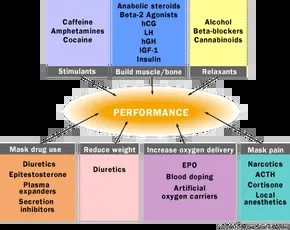
Why do they use them? The list is long. The motivations are personal.
- Build muscle mass.
- Strengthen bones.
- Boost oxygen delivery to tissues.
- Mask injury pain.
- Stimulate the central nervous system.
- Relax before a big event.
- Drop weight quickly.
- Hide the use of other prohibited substances.
Most of these tools are banned in Olympic competition. Period.
But some fly under the radar. Cortisone. Local anesthetics. They’re allowed with restrictions. Why? Because they have legitimate medical use. You can’t ban a doctor from treating a sprained ankle just because the athlete is also a sprinter.
Building Mass and Strength
When an athlete wants to get bigger, stronger, faster, they turn to specific classes of drugs. And the side effects? They’re not subtle.
We’re going to break down each major class. We’ll look at what they do. And we’ll look at the damage they do.
One question remains: Is the gold worth the cost?
The answer changes depending on who you ask. And what’s at stake.

Athletes chasing that extra fraction of a second or that extra pound of muscle aren’t just lifting heavier weights. They are often navigating a minefield of synthetic chemistry. The arsenal includes anabolic steroids, beta-2 agonists, human chorionic gonadotropin (HCG), luteinizing hormone (LH), human growth hormone (HGH), insulin-like growth factor (IGF-1), and insulin. Each plays a distinct, often dangerous, role in the pursuit of physical supremacy.
The Anatomy of Anabolic Steroids
At their core, steroids are chemical substances derived from cholesterol. The human body produces several major steroid hormones. Cortisol and testosterone run the male system. Estrogen and progesterone manage the female system. There are two basic types: catabolic steroids, which break down tissue, and anabolic steroids, which build it up.
Athletes target anabolic steroids because they stimulate muscle and bone cells to synthesize new protein. This builds mass. These drugs mimic testosterone, the primary male sex hormone. The result is enhanced reproductive and secondary sex characteristics. Testicles develop. Hair grows. Vocal cords thicken. An athlete can train harder. They can recover faster. They can push past limits that would stop a natural competitor.
Most of these compounds are testosterone or its direct derivatives. Common examples include testosterone itself, dihydrotestosterone, androstenedione (often called “andro”), dehydroepiandrosterone (DHEA), clostebol, and nandrolone. You can inject them. You can swallow them as pills. The route of administration doesn’t change the biological cost.
The Cost of Synthetic Muscle
The side effects of anabolic steroids are well-documented and severe. The liver must break these substances down. Jaundice and liver damage follow. The drugs also invade brain centers. Mood swings. Depression. Aggression.
For men, the hormonal imbalance is devastating. Excessive concentrations interfere with sexual function. Baldness sets in. Infertility becomes a reality. Breast development occurs, a condition known as gynecomastia.
For women, the changes are often irreversible. Male characteristics take over. Facial and body hair spikes. The menstrual cycle suppresses or stops entirely, leading to infertility. Vocal cords thicken. The voice deepens, sometimes permanently. If a pregnant woman uses these drugs, the developing fetus is at risk.
Beta-2 Adrenergic Agonists: Asthma Medicine as Performance Drugs
When inhaled, beta-2 agonists relax the smooth muscle in the airways. Asthma patients rely on them. They mimic epinephrine and norepinephrine, substances secreted by sympathetic nerves. The airways open. Breathing becomes easier.
But inject these same drugs into the bloodstream, and the effect flips. Beta-2 agonists become muscle-building agents. They produce an anabolic effect. They also reduce body fat. This is the catabolic effect. The anabolic impact directly affects protein building in muscles. It happens independently of nervous or cardiovascular stimulation.
Examples of these substances include:
- Clenbuterol
- Terbutaline
- Salbutamol
- Fenoterol
- Bambuterol
Some forms are permitted if used via inhaler with written medical consent. But the illicit injection routes carry heavy risks. Blood vessels constrict in the brain. Nausea follows. Headaches set in. Dizziness takes over. Blood vessels constrict in muscles too. Cramps are the result. The heart rate spikes. Rapid beats and flutters become common complaints.
The Next Frontier: Human Growth Hormones
We have covered the steroids and the beta-agonists. The story doesn’t end there. The next section dives into Human Growth Hormones, where the chemistry gets even more complex.
We talk a lot about pumps and PRs, but the real edge often hides in the blood. It’s not just about lifting heavy. It’s about what your body does with that weight. Human chorionic gonadotropin (HCG), luteinizing hormone (LH), human growth hormone (HGH), insulin, and insulin-like growth factor (IGF-1) are the quiet architects of tissue repair and growth. They are the messengers. Get them wrong, and you break yourself. Get them right, and you might just build something unrecognizable.
Human Chorionic Gonadotropin (HCG)
HCG is the hormone that keeps early pregnancy alive. It’s the stuff you see on the stick at the pharmacy. But in the gym, it’s a different beast. It mimics luteinizing hormone. It tells the testes to fire up. This boosts natural testosterone. For men, that means muscle synthesis cranks up to eleven. It’s essentially an endogenous steroid loop.
Female athletes? They’re usually clear. HCG doesn’t pack on bulk for them. Plus, levels spike naturally during pregnancy. You can’t ban a biological fact. Men, however, walk a tightrope. The side effects mirror anabolic steroids directly. Testosterone surges. Estrogen converts. The body reacts. It’s not free energy. It’s borrowed time with high interest.
Luteinizing Hormone (LH)
LH sits at the base of your brain. The pituitary gland runs the show. LH keeps testosterone steady in men. It keeps estrogen in check for women. It’s the ovulation trigger mid-cycle for females. Simple biology.
But push it too hard? Or add synthetic derivatives like tamoxifen? You force testosterone up. You bypass the body’s natural governor. The result looks like steroid use. Muscle mass climbs. Fat drops. The side effects aren’t listed on a box, but they likely follow the steroid profile anyway. Unnatural highs always have a cost. The body hates imbalance. It will fight back.
Human Growth Hormone (HGH)
This is the big one. The holy grail for many. HGH comes from the pituitary. It drives growth in kids. Without it, you get dwarfism. With too much of it as an adult? You get a monster.
It stimulates protein synthesis. It shreds fat cells. It thickens bones. It’s popular because it’s hard to catch. The window for detection is tiny. But the price of admission is steep.
- Acromegaly – Hands, feet, and jaw expand. You don’t grow taller. You grow wider. Your face changes shape.
- Organ Enlargement – The heart, kidneys, liver, and tongue all swell. A bigger heart sounds good until it fails.
- Cardiac Issues – Hypertrophy of the heart muscle leads to eventual failure. It’s not just aesthetic. It’s lethal.
Insulin-Like Growth Factor (IGF-1)
Also known as somatomedin-C. IGF-1 is the sidekick to HGH. It helps the hormone do its job. It mirrors the effects closely. Protein synthesis spikes. Fat storage plummets. Muscle and bone mass increase rapidly.
But there’s a catch. A dangerous one. IGF-1 drives glucose into cells. Too much insulin activity means blood sugar crashes. Hypoglycemia. You shake. You vomit. You feel weak. Push it too far, and you slip into a coma. Death is just a blood sugar level away. It’s not a supplement. It’s a metabolic gamble.
Insulin
Insulin is produced by the pancreas. It manages sugar, starch, fat, and protein metabolism. Diabetics need it to survive. Athletes? They use it to hoard nutrients.
Stack it with steroids or HGH, and you create a perfect anabolic storm. Protein synthesis doesn’t just increase. It overwhelms the system. Muscle growth accelerates. But the risk is immediate. Low blood sugar causes shaking and nausea. Severe hypoglycemia leads to coma. And sometimes, it leads to death. It’s not a performance enhancer. It’s a life-support system used for power.
Increasing Oxygen in Tissues
Erythropoietin (EPO) changes the game entirely. It’s not about muscle mass. It’s about endurance. It’s about how long you can keep the lights on.

Boosting Oxygen with Protein Hormones
Erythropoietin, or EPO, isn’t some alien chemical. It’s a protein hormone your kidneys release when oxygen levels drop. It signals bone marrow stem cells to crank out red blood cells. For endurance athletes—marathoners, cyclists, cross-country skiers—this is a golden ticket. They can boost oxygen delivery to their tissues by 7 to 10 percent.
Detecting EPO is a nightmare for testers. The real danger isn’t the detection; it’s the physiology. More red cells mean thicker blood. Imagine honey instead of water moving through your veins. The heart has to pump harder to push that sludge around. The result? A significantly higher risk of heart attack and stroke.
Artificial Oxygen Carriers
Then there are artificial oxygen carriers. These are synthetic versions of hemoglobin, the protein that normally carries oxygen in your blood. Doctors use them for premature infants with breathing issues, patients with severe lung damage, and deep-sea divers.
The substances include perfluorocarbons, synthetic hemoglobins, and liposome-encased hemoglobins (artificial red cells ). Their benefit to athletes remains unclear. The risks, however, are nasty. Possible side effects include immune-system failures, cardiovascular issues, iron overload, and kidney damage. Why risk it for an unclear edge?
Blood Doping Mechanics
Blood doping is straightforward infuse whole blood into an athlete to spike oxygen delivery. You can get a similar effect by training at high altitudes, but doping is faster.
If an athlete infuses their own blood, the increased volume raises blood pressure. It invites blood clots, heart failure, and stroke. If they use someone else’s blood, the stakes jump to viral infections. HIV/AIDS is a very real possibility when you’re sharing needles or blood bags in the shadows of the locker room.
Masking Pain to Keep Playing
Training for world-class status hurts. Injuries happen. Sometimes athletes use drugs to mask that pain so they can keep going. The arsenal includes narcotics, protein hormones, and local anesthetics.
The High Cost of Narcotics
Narcotics treat pain. We’re talking morphine, methadone, Vicodin, Percocet, and heroin. These are highly addictive. The “high” they produce impairs judgment, balance, and concentration. Athletes competing while injured also risk further damage. You don’t fix a tear by ignoring it and running through it.
Protein Hormones for Inflammation
Adrenocorticotropic hormone (ACTH) is another natural protein hormone. It’s secreted by the pituitary gland and stimulates the adrenal cortex to produce hormones. These adrenal cortex hormones reduce inflammation in injuries and allergic responses. By using ACTH, an athlete can mask an injury’s pain.
The side effects are cumulative. Stomach irritation. Ulcers. Mental irritation. Long-term, you’re looking at weakening bones and muscles.
Local Anesthetics
Local anesthetics are what your dentist uses. Novocaine, procaine, lidocaine, lignocaine. They mask pain short-term without messing with your mental faculties. Athletes use them to compete while injured. The problem? You can aggravate an injury without feeling the warning signs.
What About Cortisone?
Cortisone is one of those adrenal cortex hormones mentioned above. Clinically, it’s injected to reduce inflammation in injuries. The advantages and side effects mirror ACTH. You get the pain relief, but you pay for it with tissue weakening and other systemic issues.
Stimulants, Relaxants and Weight Control
The pressure on elite competitors isn’t just physical. It’s psychological. It’s dietary. The strict social codes of professional sports leave little room for error. When the weight of expectation crashes down, plus the relentless grind of training, athletes often seek shortcuts. They turn to substances to manage stress, fight off general fatigue, and control their bodies. These aren’t just recreational choices. They are calculated risks involving stimulants, relaxants, and masking agents.
The Surge of Stimulants
Stimulants offer a false sense of invincibility. They keep the athlete alert. They reduce the feeling of exhaustion. They maintain a dangerous level of aggressiveness. Physiologically, these drugs hijack the body’s alarm system. The heart races. The lungs gasp for air. The brain operates at a frantic, artificial speed.
Common substances in this category include caffeine, amphetamines, and cocaine. The line between a pre-workout energy drink and a performance-enhancing drug is thinner than most fans realize.
The cost of this surge is high. Nervousness. Tremors. Irregular heartbeats. High blood pressure spikes. In extreme cases, convulsions. Or sudden death. The body cannot sustain this level of artificial output indefinitely. Eventually, it crashes.
The Calm Before the Storm: Relaxants
Not all performance anxiety requires a push. Sometimes, it requires a pull. Relaxants do the opposite of stimulants. They slow things down. They include alcohol, prescription beta-blockers, and cannabinoids like marijuana.
Alcohol is the most accessible depressant. It dampens brain activity and nervous system response. For an athlete drowning in competition pressure, a drink might feel like relief. But it degrades judgment. It ruins balance. It destroys coordination. The Olympics restrict alcohol, and some specific events ban it entirely because even a slight lag in reaction time can mean a lost medal or a career-ending injury.
Then there are beta-blockers. These are typically prescribed for high blood pressure. They force the heart to slow and blood vessels to relax. Why would an athlete want this? Look at archery. Look at shooting. These sports demand rock-steady hands. A steady heart rate is a prerequisite for a steady aim. The trade-off? Hypotension. Fatigue. A sluggish physical response that might be fatal in a sprint or a swim but essential for a marksman.
Cannabinoids occupy a weird space. There is little clinical value for healthy athletes. They induce hallucinations. They cause drowsiness. They spike the heart rate. They impair memory and coordination. While used for pain relief in terminally ill cancer patients, for an athlete, the cognitive fog is a liability.
The Weight Game: Diuretics and Masking
Some sports don’t just test skill. They test mass. Weightlifting. Horse racing. Rowing. In these arenas, being lighter can be an advantage. Or simply a requirement to compete in a lower bracket.
Enter diuretics. These drugs force the kidneys to produce more urine. They are often found in diet pills and prescribed for hypertension. Athletes misuse them to shed water weight instantly. It’s a dangerous shortcut. Dehydration follows. Dizziness. Muscle cramps. Potential heart damage. Kidney failure.
But there is a darker reason for using diuretics. It isn’t just about weight. It is about beating the test.
Masking Drug Use
Diuretics are the ultimate dirty trick in anti-doping. Because they flush the system so aggressively, they dilute the concentration of other drugs in the urine. An athlete might have consumed a banned stimulant or anabolic agent. The diuretic doesn’t remove the drug. It just hides it. It spreads the molecular evidence so thin that a standard test might miss it entirely.
This creates a cat-and-mouse game that

Hiding the Evidence
Diuretics are the classic choice for flushing drugs out of urine samples. But blood testing is a different beast entirely. That is where epitestosterone, plasma expanders, and secretion inhibitors come in. They target banned substances in the bloodstream instead.
The Epitestosterone Trick
Epitestosterone looks like testosterone. It is a natural biological form. It does not boost performance. But it does mess with the numbers.
Standard drug tests measure the testosterone to epitestosterone ratio. The T/E ratio. Inject epitestosterone. Lower the ratio. Hide the testosterone.
Does it hurt? Not really. By itself, epitestosterone has no real harmful side effects. It is clean in that regard. But it is a cheat code for the T/E ratio test.
Diluting the Blood
Plasma expanders add fluid to the blood. Doctors use them for shock and trauma. Athletes use them to dilute EPO.
EPO concentrates in the blood. Plasma expanders spread it out. Lower the concentration. Beat the test.
The cost is high. Moderate to severe allergic reactions are common. It is a risky gamble.
Blocking the Exit
Many drugs look like organic acids. The kidneys remove these acids using a specific protein transporter. Block that protein. The drugs stay in the body. They do not appear in urine.
Doctors use these inhibitors for gout. Athletes use them to manipulate urine results.
Side effects are nasty. Nausea. Vomiting. Allergic reactions. Kidney problems. It is not worth the risk. Or is it?
Testing Athletes for Drug Use

Athletes know the drill. You’re standing in the booth. The drug control officer is watching you like a hawk. You hand over a urine sample. It gets sealed. It travels to a lab. Results go back to the governing body. Simple process. For some substances though, urine isn’t enough. They need blood.
Gas Chromatography and Mass Spectrometry
Two methods dominate the chemistry lab. Gas chromatography and mass spectrometry. They work on both urine and blood.
In gas chromatography, they vaporize the sample. A gaseous solvent helps. The mixture moves through a long path in the machine. Each substance interacts with the gas differently. They dissolve at different rates. This creates a unique retention time. The specific time a substance stays in the gas phase.
Eventually, the substance drops out. It hits a solid or liquid absorber. A detector analyzes it. The lab reports this time. They plot it. You get a chromatogram.
They don’t just guess. They run standard drug samples alongside the athlete’s sample. Compare the chromatograms. Identify the drug. Quantify it. Done.
Mass spectrometry takes a different approach. They blast the sample with an electron beam. It blows apart. Fragments fly down a magnetic tube to a detector. Each substance leaves a unique fingerprint in the spectrometer. Again, they use standards to identify and quantify what’s in the blood or urine.
Immuno-Assays
Not every substance plays by the rules of chromatography. Some things, like HCG, LH, and ACTH, get measured in urine using an immuno-assay.
Here’s the trick. They mix the sample with a solution. It contains an antibody specific to the target substance. Antibodies are proteins. They bind only to one specific thing. It’s how the body spots foreign invaders.
The antibody in the test kit is tagged. Usually with a fluorescent dye or a radioactive substance. They measure the light or radioactivity. The amount relates directly to the concentration of the tested substance in the sample.
Tests for Performance Enhancing Drugs
Detecting EPO (Erythropoietin) has gotten sharper. A new test looks at red blood cell size. Synthetic EPO creates cells that are smaller than natural ones. They also bind more iron.
Analyzers check the size and iron content of red blood cells in a blood sample. Anomalies there? Potential EPO use.
Cycling took a big leap in 2008. The Union Cycliste Internationale (UCI) introduced a blood passport. It’s not just a one-time test. It’s a monitor. They track an athlete’s blood characteristics over time.
Think about hematocrit levels. That’s the percentage of red blood cells in total blood volume. The passport tracks spikes. Abnormal ones.
Red blood cells carry oxygen. More oxygen means better endurance. A spike boosts performance. That’s doping. The passport catches the deviation from the norm.
HGH (Human Growth Hormone) was harder to catch. Until around 2010, there were no reliable tests. Then a new blood-testing innovation emerged. It was effective enough to suspend a rugby athlete in Britain in February 2010 for violating the ban.
NFL officials are pushing for HGH testing now. The league wants it. The Players Association opposes it. The debate is ongoing.
The Ongoing Struggle
Statistics on doping prevalence are scarce. Nobody knows the exact numbers. Coaches and athletes insist most competitors are clean. They swear by it.
Drug testing is becoming non-negotiable in sports competitions. It’s integral. When a new performance-enhancing drug hits the black market, scientists develop a test to catch it. The cycle repeats. The struggle to keep sports clean never really ends.
“As new performance-enhancing drugs are developed, new tests are developed to detect these drugs, and the struggle to keep sports clean continues indefinitely.”
For more on how this technology works, or which specific substances are currently banned, dig into the resources provided. The science is evolving faster than the athletes can adapt.