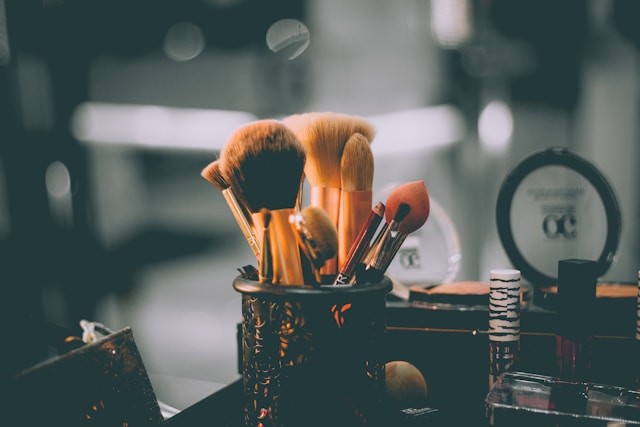
We spend hours on skincare routines. Hundreds of dollars on serums. Yet most of us ignore the one thing ruining the results: our dirty brushes. It is an oversight with real consequences for skin health. Dirty tools hoard oil, dead skin, and product residue. They become breeding grounds for microorganisms. Cleaning them isn’t just about making your makeup look good. It supports hygiene. Real Techniques Beauty Tools and others emphasize this point, but the underlying truth applies to any brush in your collection.
What Actually Lives In Those Bristles
You think they look clean? Look closer. Or better yet, look inside the knot. Every time a brush hits your face it picks up sweat. Natural oils. Makeup from yesterday. Dirt from the air. It all stays there if you don’t wash it.
Research shows cosmetic tools can hold bacteria. Yeast. Various microbes thrive there, especially in warm, damp bathrooms. The buildup changes how the brush works. It affects the skin.
Even brushes that seem spotless hide grime deep down. Powder gets trapped. Foundation hardens in the ferrule. Concealer cakes near the handle. You wouldn’t wear unwashed jeans for a week, would you? The same logic applies here. Washing removes the contaminants before they turn into a problem.
How This Ruins Your Skin
Brush hygiene affects skin health more than we admit. Dirty brushes smear old makeup back onto the face. They push oil into pores. This leads to clogging. Irritation follows. People with sensitive or acne-prone skin notice the damage fastest.
Your skincare routine fails when you re-contaminate the canvas. You apply a $100 serum to clean skin. Then you follow up with a brush covered in germs. The product doesn’t work as well. It’s a cycle. Cleaning the tools helps the entire regimen perform better.
Makeup application suffers too. Product buildup makes bristles stiff. You get streaks. Patchy coverage. Hard to blend. Regular cleaning restores the brush texture. It keeps the application smooth. Comfort returns to the daily ritual.
Why We Avoid Cleaning Them
Everyone knows they should wash brushes. Few actually do it enough. Why? Busy lives. It’s tedious. Some people just aren’t sure how to do it without ruining the hair. Others underestimate the risk.
A common myth says solo use keeps things sterile. False. Even if no one else touches your brush, your skin cells still fall onto it. Your oils still seep into the bristles. Environmental dust lands there too. Ownership doesn’t equal cleanliness. Regular washing is still mandatory.
Fear of damage also plays a role. People worry that washing expensive brushes will break them. Good technique and quality cleaners exist for this exact purpose. Proper maintenance preserves the brush structure. In fact, regular care makes cosmetic tools last longer.
Setting A Real Routine
A cleaning plan doesn’t need to be complex. Experts suggest weekly washing for frequent users. Eye makeup brushes might need a scrub every few days. Consistency beats intensity. Do a little, often.
Dedicated cleansers work well. They lift residue and oil while protecting the fibers. Rinsing matters as much as the wash itself. Water trapped in the brush encourages mold. Let them dry completely. Air dry is best. Put them away only when dry to the touch.
Storage plays a part. Keep them away from steam and dust. A dry, clean place keeps them ready for use. Small habit changes add up over time.
Protecting Skin And Money
Quality brushes are an investment. Financially, yes. But also functionally. They are part of the skincare toolkit. Cleaning protects the skin. It also protects the purchase.
Clean brushes apply color more evenly. They blend better. They survive longer in your kit. Awareness of cosmetic health is rising. Tools like Real Techniques help facilitate healthier habits.
One of the easiest wins for clear skin? Regularly cleaning the instruments that touch your face. Not just your face, but the face of the tools themselves. It sounds obvious. Most people skip it.
Maybe start tomorrow.