589 million people have diabetes. That’s a lot of adults. And the number just keeps growing. So naturally, we’re looking around for help. Specifically, we’re looking at what nature might offer us while we wait for the next big pharmaceutical breakthrough. Researchers have been chasing this angle for years.
A recent review sorted through more than 1000 studies. Only 54 made the cut. Why? They needed to show actual experimental proof that a plant interacts with blood sugar systems in a measurable way.
Sixteen plants cleared that hurdle. Four kept popping up. Here’s the catch right off the bat. These studies weren’t done on people. Labs. Animals. Test tubes. Promising? Sure. Ready for you to ingest tomorrow? Not yet.
The Shortlist
Gymnema, white mulberry, red ginseng, and pomegranate. They stood out because the evidence for them was just… there. Consistent. Strong enough to warrant a closer look.
They don’t just work one way. They hit multiple pathways at once. It’s messy biology, which usually means it’s interesting.
“Each works through more than one.”
Here’s how they allegedly function, based on cell and animal data:
- Gymnema: Its star compound, gymnemic acid, might slow down glucose absorption. It also appears to support the cells that make insulin and keep them healthy. Bonus points: leaf compounds might block the enzymes that break down carbs in your gut.
- White Mulberry: It’s not just one trick here. Rutin and quercetin-3-o-beta-d-glucoside activate the cell’s energy sensors. This helps cells realize, oh yeah, there’s sugar here, and soak it up.
- Red Ginseng: This is the steamed and dried variety. It’s packed with saponins. Those might make insulin more effective at moving glucose from the blood into cells. It also handles oxidative stress, which usually tags along with bad blood sugar levels.
- Pomegranate: The polyphenols—specifically quercetin and kaempfenol—seem to protect those hardworking insulin-producing cells. In preclinical models, it reinforces the body’s ability to just… manage glucose better.
Eat It, Don’t Just Pill It
The best foundation for blood sugar isn’t a single magic bean. It’s the boring stuff. Whole foods. Fiber. Lean protein. Antioxidants.
Several of these plants are already on your dinner table, or close enough to get them easily.
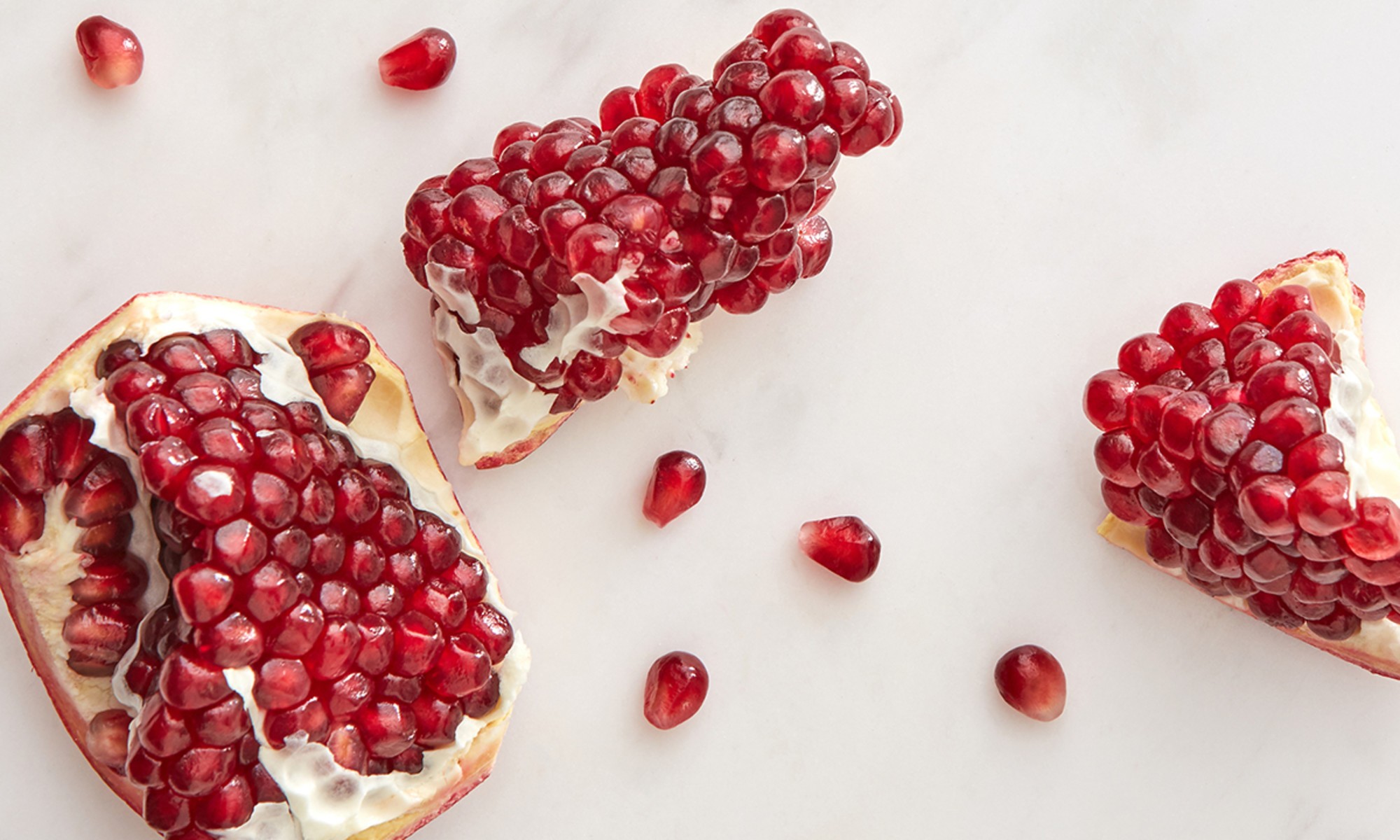
- Eat the seeds from a fresh pomegranate. Toss them in yogurt. Salad. Drink the juice, but check the label—100%, no added sugar.
- White mulberry comes as dried berries, tea, or extracts from the leaf.
- Red ginseng makes for a calm cup of tea. It’s an adaptogen too.
- Gymnema? Mostly supplements now. Though you can find tea with a slightly grassy, herbal bite to it.
Flavonoids and polyphenols are real. The colorful plants contain them, and those compounds do metabolic things. So maybe the plate comes before the pill.
The four plants look good on paper, in the lab, on the mice. Human trials? Still coming.
Until then, filling up on polyphenol-rich food isn’t just a theory. It’s what you’re probably supposed to be doing anyway. But does the grass taste any sweeter when you know gymnemic acid is in the soil? Probably not. Still, the science is pointing somewhere.