You have a window. A short one. Physical activity can mitigate the damage done by a greasy meal, but only if you move.
I’ve talked before about how one single high-fat meal ruins artery function in men’s arms. But that’s not the scary part. The scary part is blood flow to the heart wall. Researchers threw some guys into a trial. Half got the high-fat treatment—more than 60 percent of the calories were fat, half that was saturated, plus a whole egg’s worth of cholesterol. The other half got a low-fat, carb-heavy plate. Less than 10 percent fat. Fifty times less cholesterol. Same total calories.
Check the video at 0:47. Doppler images of the left anterior descending artery. The widow-maker. Top image, before eating: nice strong signal. Bottom image, five hours later after the fat bomb: squeezed.
The coronary flow reserve tanked. Just once. But it stayed steady after the low-fat meal.
So what is coronary reserve? Think of it as extra capacity. When an artery gets blocked, neighboring vessels expand to compensate. That’s the reserve. A fatty meal clamps that reserve down within hours. Your heart loses its ability to cope with blockages. It undermines the safety net.
Sometimes you can literally see it in the back of the eye. Retinal images. First shot, vessels look milky. Second shot, after a low-fat diet clears the blood fat, they clear up. Look at the first one. The blood looked like a milkshake 💧.
Here’s the twist. You don’t have to just suffer the damage.
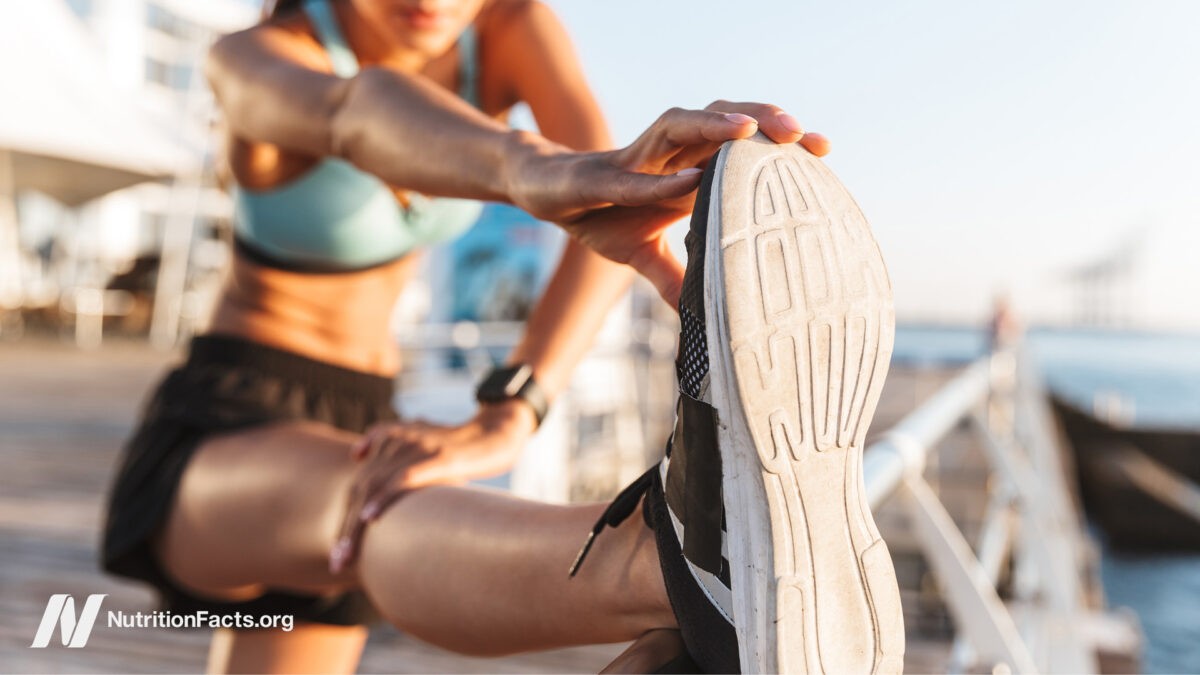
Exercise works. Specifically, exercise around the meal. The inflammation from sitting still with fat swimming in your blood drives up cardiovascular risk. Clearing that fat helps. But the window is narrow. It opens 18 hours before you eat. It closes about 90 minutes after. You need about an hour of moderate exercise to cover the bases. Skip the gym for a few days? The benefits vanish. Fitness doesn’t save you if you’re sedentary around mealtime.
Want to see this in action? One study had people chug through a McDonald’s breakfast. Hash browns. Pancakes. Eggs. Sausage. English muffin. Milkshake. A sodium and saturated fat nightmare.
If they sat? Artery function crashed.
If they climbed stairs? It didn’t.
It was only twenty minutes total. Broken up. Five minutes of climbing. Every hour. For four hours. Just that small bit of movement protected vascular function.
“Hourly exercise may attenuate the negative effects… suggesting that stair climbing should be incorporated… to protect vascular function.”
Makes sense, right? Moving clears the lipemia. The fat in the blood. But let’s be honest. The easiest way to protect your arteries? Don’t eat breakfast like that. 🥞
Then there’s the salt. That meal had over 2,000mg. The American Heart Association says 1,500mg is the daily max for an entire day. This breakfast did a day’s worth of sodium damage before 11 AM.
Cut the salt? Even if you give people a third less salt than that disaster, it still hurts artery function. Within an hour.
What about blood pressure? Some people are salt-sensitive. Their pressure spikes. Others are resistant. Their pressure stays flat. Does that make salt safe for the resistant ones? No.
Sodium destroys artery function regardless. It doesn’t matter if your pressure gauge moves. The artery lining still takes a hit. High salt reduces function. Low salt preserves it. The evidence is solid.
Ignore the salt industry researchers. The science is clear. Saturated fat and sodium are the villains. Not their reduction. The food itself is the problem.
Doctor’s Note
This is part two of three. Part one was How a Single Meal Can Cripple YourArteries and Lungs. Coming next: Protect Your Arteries from SaturatedFat with These Foods. 🛡️