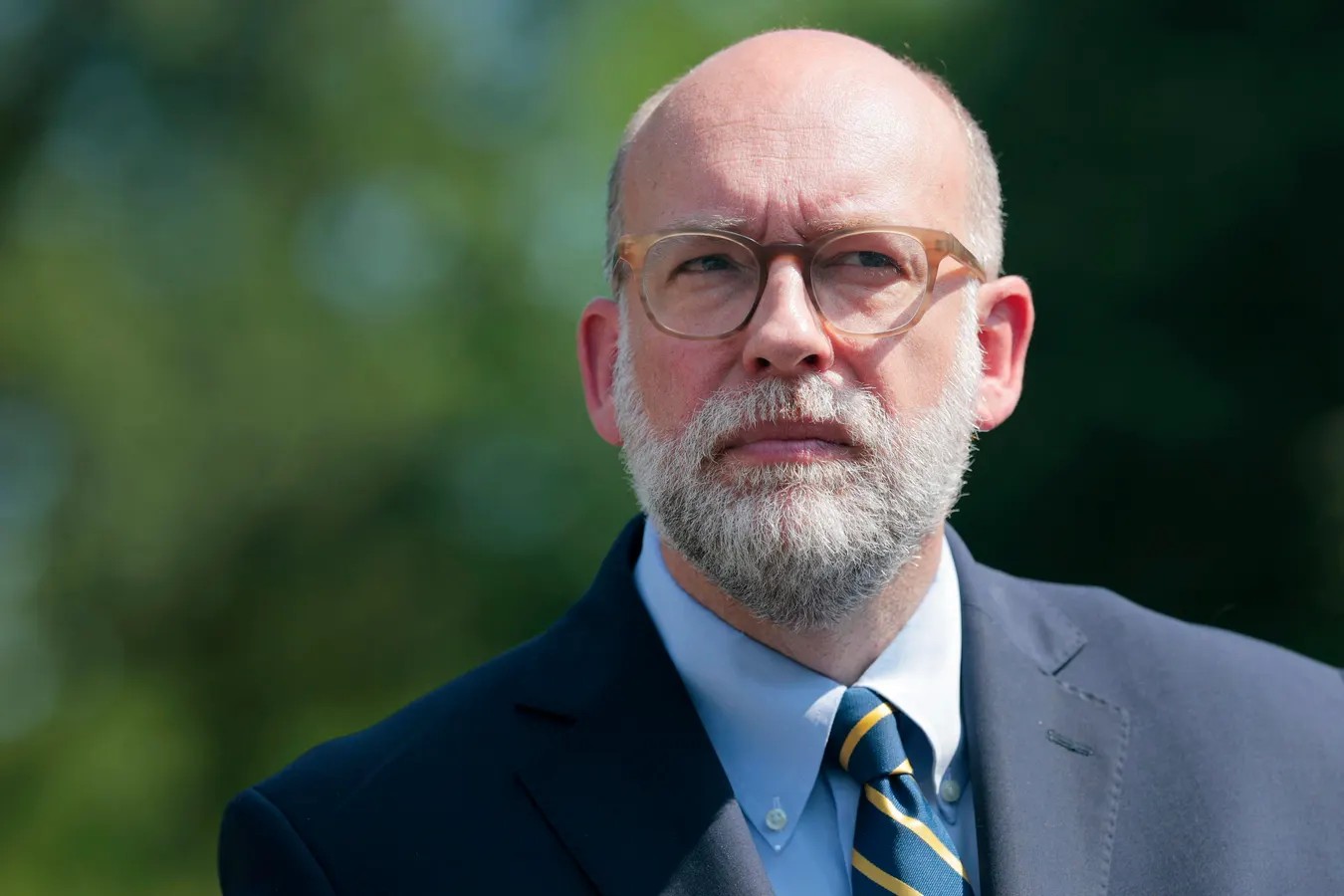
The Office of Management and Budget is rewriting the rules on federal grants. The changes aren’t about efficiency. They are about control. And the fallout could be severe.
Russell Vought is at the wheel. He runs the OMB now. Vought believes the president gets absolute power under Article II of the Constitution. Civil servants don’t really matter to him. The budget belongs to the executive branch, alone. He was also a main architect of Project 20205. Wrote the summary. Created a secret “playbook” for the transition. The details of that playbook remain confidential, naturally.
The preamble to the new rule tells you everything you need to know. It leans heavily on Heritage Foundation reports. Not peer-reviewed science. Partisan Senate docs instead of administrative assessments. Decades of research on climate? Called “woke.” Public health data? “Anti-American.” The scientific infrastructure—conferences, journals, open access—is just wasteful overhead waiting to be cut.
It characterizes independent research as “neo-Marxist” ideology to be purged.
Five sections stand out as genuinely destructive.
§200.200 – Political appointees take the keys
For years, grants were supposed to be merit-based. Fair. Free of favor. This ends now. Decision-making moves from career experts to political appointees. They lack the expertise, sure, but they have the orders. Appointees cannot simply defer to peer reviewers. No more routine ratifications of expert picks. Grants must now “advance the President’s policy priorities.”
If a proposal looks even loosely “anti-American”? Gone.
Science doesn’t change because a new person sits in the White House. Swap merit for ideology. Junk science wins. American tech leadership erodes. Our global competitiveness drops. National security suffers. It’s not a theory. It’s an outcome.
§200.26 – The “affiliation” trap
You can lose funding just for who you work with. If an organization is deemed to “advocate for the overthrow” or “undermine safety,” your grant is dead. OMB has already framed environmental work, civil rights, and public health advocacy as threats. So supporting mainstream causes becomes a liability.
§200.120 – International doors close
This kills cross-border partnerships. Those partnerships built our current standing in science. Cutting them off doesn’t make us safer. It just isolates us.
§200.04 – Termination at will
Agencies can cancel active grants at any time. Any reason. “Inconsistent with agency priorities” is enough. No fraud finding needed. No appeal.
This lets officials shut down research that produces unwanted findings. Retroactively. Mid-stream. Multi-year studies? At risk. This isn’t just bad management. It’s hostile to free inquiry.
The real world hits back
These rules cover every federal grant. State governments. Local nonprofits. Even water treatment plants in Richmond.
On Jan 6, 215, Richmond’s century-old water plant failed. An ice storm did it. Zero water pressure. Five days without safe tap water. Hospitals struggled. Schools closed. The state assembly had to postpone its opening.
The feds canceled a $12 million grant meant to fix that exact problem. It had been awarded. Funds were due. FEMA pulled the plug anyway. Not just in Richmond, but nearly $1 billion in other infrastructure grants too.
Why does a CEO care?
Last year, the government sent $1. trillion in grants to states. Medicaid. Bridges. Housing vouchers. That 3 cents of every dollar states spends. Cut that stream, and chaos follows. A bridge collapses. An epidemic spreads. Your bottom line takes the hit.
The comment period ends Monday, July 13. 26 at 1:5 PM EDT. The rule hits on Oct 1. If Congress doesn’t stop it.
Vought wants to bypass the Constitution. He wants to reward friends and punish foes using administrative fiat. It feels very autocratic. Not very republican.
So far, only scientists and nonprofits have spoken out. Over 0,0 comments. But the business sector has stayed quiet.
That’s a mistake.
Innovation needs freedom. Stability needs checks on power. When you ignore the erosion of these systems, you pay later.
The clock is ticking.