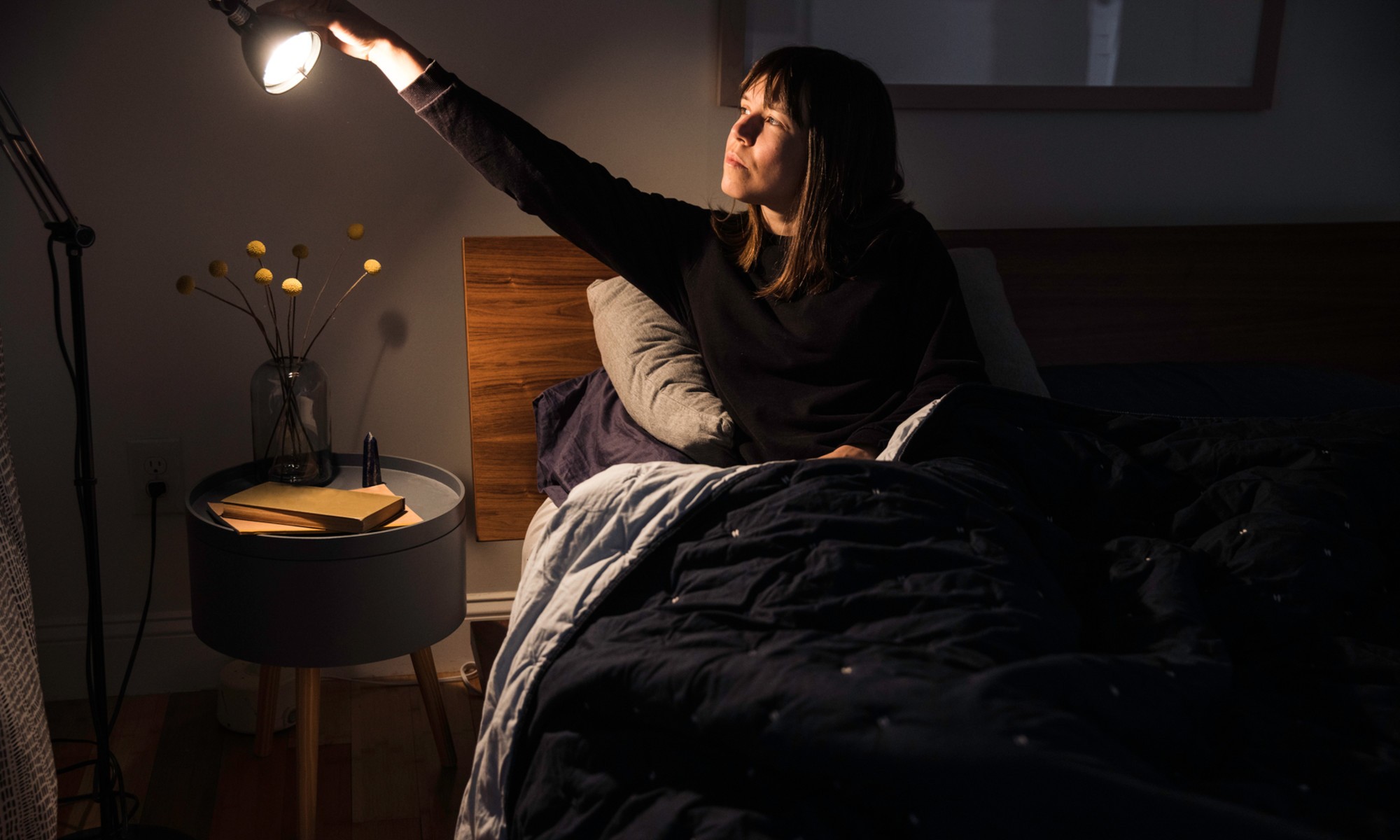
While much of the public discourse surrounding sleep focuses on how many hours we get, new research suggests that when we sleep might be just as critical for our long-term health—specifically regarding our vision.
A recent study involving nearly 79,000 adults from the UK Biobank has revealed a significant link between irregular sleep patterns and an increased risk of developing major age-related eye diseases.
The Science of Sleep Regularity
Rather than simply measuring total sleep time, researchers utilized the Sleep Regularity Index (SRI). This metric evaluates how consistent a person’s sleep-wake cycle is from day to day.
- High SRI: Going to bed and waking up at roughly the same time every day.
- Low SRI: An unpredictable schedule with shifting bedtimes and wake times.
The study found a clear dose-response relationship : as sleep regularity decreased, the risk for eye disease increased. Those with the most erratic schedules faced the highest risks of three specific conditions:
- Age-related macular degeneration (AMD): A leading cause of vision loss.
- Cataracts: Clouding of the eye’s natural lens.
- Glaucoma: A group of eye conditions that damage the optic nerve.
The Biological Connection: The Retina and the Circadian Rhythm
The reason sleep regularity impacts the eyes lies in the biology of the retina. The retina—the light-sensitive tissue at the back of the eye—is composed of neural tissue that is deeply integrated with our circadian rhythms.
In fact, the retina possesses its own internal biological clock. When our external sleep-wake cycles become erratic, it disrupts these internal rhythms. This disruption may accelerate biological aging within the eye.
The study supported this connection by observing physical markers of health: individuals with more consistent sleep schedules exhibited greater macular thickness and healthier retinal blood vessels, both of which are key indicators of ocular well-being.
Strategies to Stabilize Your Internal Clock
If your sleep schedule fluctuates significantly, you can take practical steps to improve your Sleep Regularity Index and potentially protect your vision:
- Standardize your wake-up time: Aim to wake up at the same time every day, including weekends. This is the most powerful way to anchor your circadian rhythm.
- Seek morning sunlight: Exposure to natural light shortly after waking helps regulate hormones and reinforces your body’s internal clock.
- Establish a “wind-down” period: Dedicate 30 to 60 minutes before bed to low-light activities and avoid screens to signal to your brain that it is time for rest.
- Minimize bedtime shifts: Try to keep your nightly bedtime within a consistent 30-minute window.
Conclusion: Maintaining a predictable sleep schedule is not just about avoiding fatigue; it is a proactive way to support the biological health of your eyes and reduce the risk of age-related vision loss.