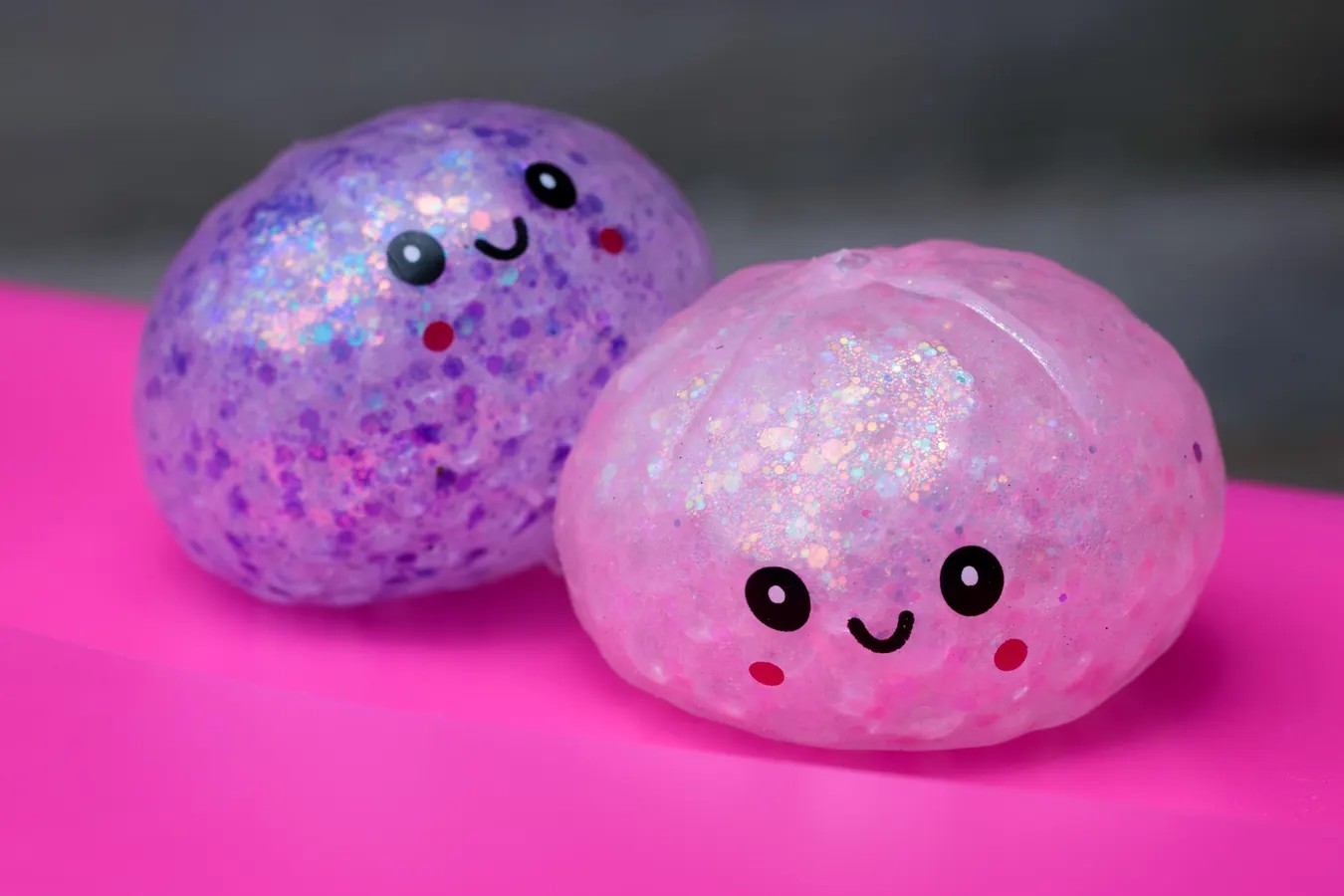
You know them. That wobbly gel inside a sealed shell. Kids love them. Teachers hate the noise. But lately they are hurting children.
A weird trend has taken over TikTok and Instagram. The idea is simple. Microwave the toy. Why? To make it softer. To make it squishier. The internet says it’s a hack. Burn units in the US and Europe say otherwise.
Brands like NeeDoh or generic jelly cubes are everywhere. Innocent enough on their own. But heat changes everything. Physics takes the wheel here. Sealed plastic meets high heat. Pressure builds. Inside that core, the gel cooks. It traps the energy. No place for it to go.
Then comes the squeeze.
The toy explodes. Not gently. It ruptures. Liquid gel sprays out. This liquid is over 200 degrees Fahrenheit. It is not just hot water. Think superglue. Think boiling soup that sticks.
The gel clings to skin. It doesn’t wash off. It keeps burning you while you stand there wondering what happened.
That stickiness is the real villain. Heat transfer doesn’t stop when the spray hits. It continues. Seconds later, the skin is cooked through. We are seeing deep second-degree burns. Sometimes third-degree. The pattern is specific. A splatter. On hands. On chests. On faces.
Why are kids more at risk? Their skin is thinner. Less protection. The gel burrows deeper. What looks like a messy spill on the shirt is actually a chemical-adjacent burn on the body.
If your kid gets burned by one of these, forget the ice pack. Don’t rub butter on it. Toothpaste helps nothing. Do not peel the gel off the skin. You will pull the epidermis with it. You will cause scars that last a lifetime.
Flush with cool water. Twenty minutes minimum. Cover loosely. Get to a doctor. If the face is involved, if hands are stuck, go to an emergency department now.
It gets worse near the eyes. An eleven-year-old in Glasgow survived a face burn by inches. Another child, eight years old, burned his chest and hand. Six kids treated in eight months. All because a video online said “just heat it up.”
Parental guidance isn’t optional here.
What should you do? Tell the kids. No microwave. No oven. Leave them in a cold room. Hot cars cook these toys too. Temperatures inside a vehicle can pass 110 degrees on their own.
Is it worth the risk? Probably not. These toys are designed for stress relief. Not as explosives.
Viral trends move fast. They also hide dangers. We scroll past the warning labels. We assume “cute” means “safe.” This trend proves that wrong. The danger was in the toy all along. We just taught the kids how to unlock it.