You have them. Or maybe you had them last Tuesday.
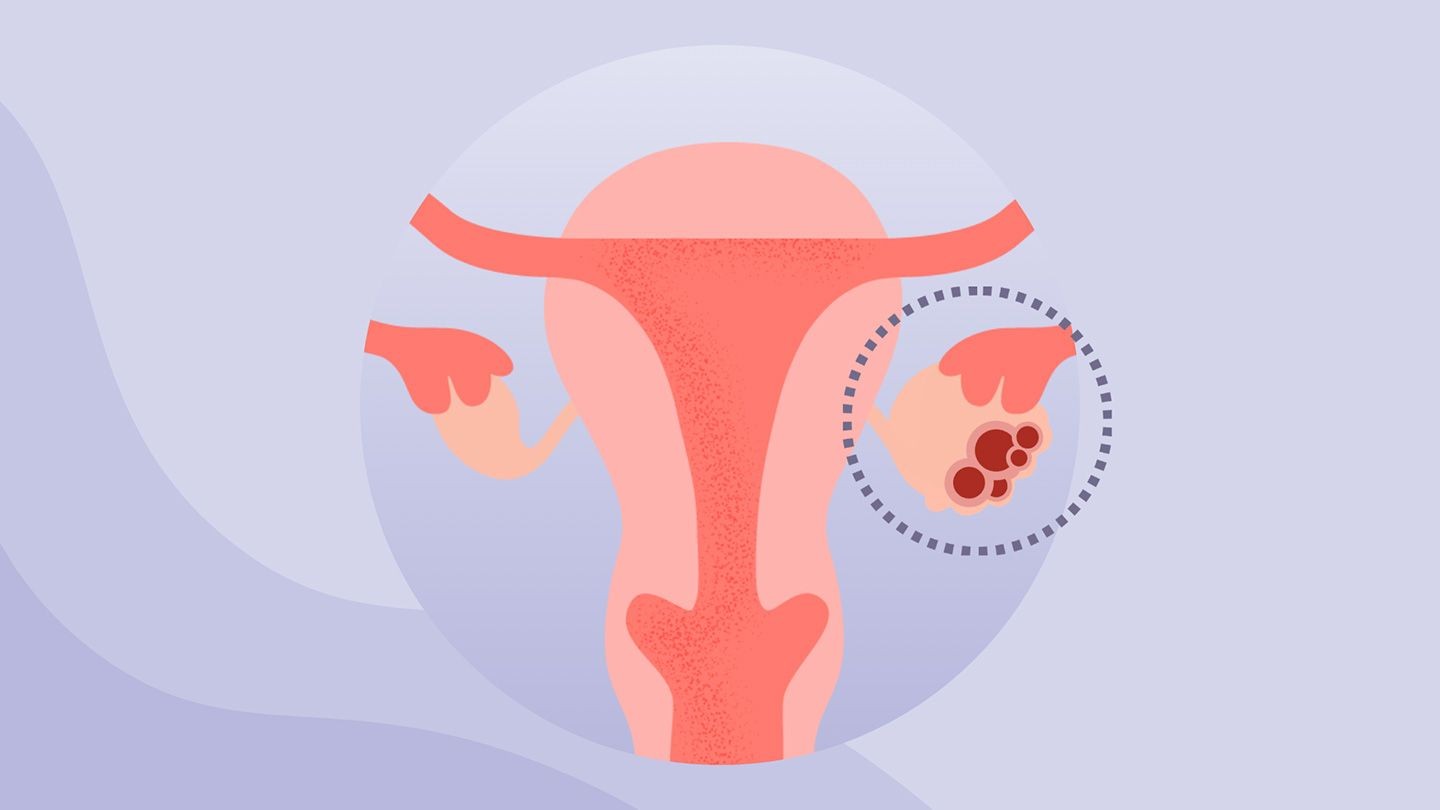
They are fluid-filled sacs sitting inside the ovary.
Common? Very.
Usually form when the body is busy doing ovulation stuff.
They can show up at any age, but reproductive years see the most of them.
Most of the time, these things are tiny. Silent. Benign. They vanish without so much as a goodbye note. No treatment needed.
Sometimes though…
Sometimes the cyst gets big. Or it pops. Then the party ends and the medical drama begins.
What Kind Are They?
Two main categories.
First, the functional cysts. These are part of the menstrual cycle rhythm. Messed up rhythm equals cyst.
-
Follicular cyst
Here’s how it should work. Follicle grows. Ruptures. Releases egg.
Here’s what happens instead. Follicle keeps growing. Doesn’t rupture. Fills with fluid. Becomes a cyst. -
Corpus luteum cyst
Egg released? Good job follicle. Now you shrink. You become the corpus luteum. You produce estrogen and progesterone to keep the show going.
If that little hole the egg exited gets blocked, fluid accumulates. Again. Cyst city.
Then there are the ones unrelated to your cycle.
- Dermoid cysts (aka teratomas)
Formed from embryonic cells. Creepy, right? They can contain hair. Skin. Even teeth. Real talk. - Cystadenomas
Surface dwellers on the ovary. Filled with water or mucus-like fluid. - Endometriomas
If you have endometriosis (uterine tissue growing where it shouldn’t), those cells might latch onto the ovary. Cyst formed. Often called chocolate cysts because of the old blood inside. - Ovarian cancer
These are solid. Masses of cancer cells. Most common after menopause. This is the bad one.
Finding Out What’s Inside
Usually, you won’t know unless you have symptoms or get a pelvic exam.
Then the tests start.
- Pregnancy test
Positive? Might be a corpus luteum cyst. Normal in pregnancy. Negative? Move to the next step. - CA 125 blood test
Cyst looks partially solid? Worried about cancer? Doctor orders this. High levels of cancer antigen 125 flag cancer, but also flag endometriosis or fibroids. It’s not a yes/no answer for cancer. - Pelvic ultrasound
A wand (transducer) goes in or near the vagina. It makes images. Shows if it’s fluid, solid, or mixed bag. Tells the doctor exactly where it’s hanging out. - Laparoscopy
Surgery, basically. Small incision. Thin tube with a camera goes in. Doctor sees the ovary clearly. Might pull the cyst out while they’re there.
What Do You Do Now?
Depends on age, size, and whether you’re in pain.
The default move? Wait and see.
If it’s small, fluid-filled, and you feel fine, let nature take its course. Maybe a follow-up ultrasound in a few months to check the size.
Medication
Birth control pills won’t shrink an existing cyst. Don’t be fooled.
They might stop new ones from forming by pausing ovulation.
Surgery
Time to cut if:
* Cyst is huge.
* Looks solid (not functional).
* Grew bigger over 2-3 cycles.
* Hurts like heck.
Procedures include ovarian cystectomy (just the cyst) or oophorectomy (the whole ovary goes).
Can You Stop It From Happening?
Nope. If you ovulate, functional cysts can form. It’s part of the process.
Prevention isn’t really a thing unless you’re prone to them. Then hormonal birth control might help by skipping the ovulation step.
Regular exams help catch changes early, but ultrasounds do the heavy lifting.
The Clock Ticks
How long do they stick around?
Functional ones usually ghost you in 8 to 12 weeks alone.
Menstruating women? High chance of disappearance. Simple fluid-filled ones are likely benign.
But cancer? That risk climbs as you age.
Malignant cysts don’t leave on their own. Surgery is mandatory.
When It Goes Wrong
Complications are rare, but dramatic when they hit.
A sudden twist is a medical emergency.
- Ovarian torsion
Cyst gets too big. Ovary twists around its own ligaments.
Pain hits fast. Severe. Nausea. Vomiting.
Blood supply gets cut off. Need surgery, stat, to untwist or remove. - Rupture
Bigger cyst = higher burst risk.
Mild pop? Maybe some ibuprofen handles it.
Big pop? Internal bleeding. Agonizing abdominal pain.
Go to the ER.
Pro tip: Rough sex or vigorous pelvic exercise can trigger a rupture. Something to consider before the weekend party.
Quick Hits
- How common? Roughly 1 in 10 women deal with these at some point.
- PCOS / PMOS? Polyendocrine metabolic ovarian syndrome creates many small cysts, though you can have the syndrome without the cysts.
- Pregnancy? Cysts are common during pregnancy. Harmless. Usually don’t hurt fertility chances to begin with.
It’s not all or nothing. Sometimes it’s nothing.
Most of the time, your body just fixes the mess on its own.