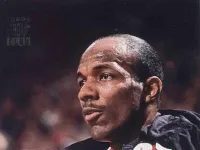
Michael Jordan didn’t just hang up his sneakers. He took them off, put them in a box, and then put them back on three separate times.
The first time the Bulls legend walked away was October 1993. He had just secured his third straight NBA title with Chicago. The dominance was absolute. But the game had lost its spark for him. He traded the hardwood for the diamond, playing minor league baseball for a season. It was a pivot that surprised everyone.
Then came the return. March 1995. A cryptic one-word press conference. “Back.” He was back in purple and red. The Bulls were still good, but the aura had changed. He had to earn the hype all over again.
That effort culminated in the second retirement announcement in 1998. The fourth championship. The fifth title. The sixth and final ring with Chicago. The three-peat was complete. Jordan was done. For real this time.
Or so it seemed.
At 38, the competitive itch became too much. He couldn’t stay away. Jordan signed with the Washington Wizards in 2001. It wasn’t about titles anymore. It was about proving he could still play, even if his body was breaking down. He suited up for two seasons in D.C. The stats were lower. The games were harder.
By 2003, the era ended for the last time.
The story of Jordan isn’t just about six rings. It’s about the courage to leave, the grit to return, and the willingness to face obsolescence head-on. He played in a different era for the Wizards. The game had evolved. He was a relic with a superstar’s ego.
Most athletes fear the end. Jordan invited it. Then he sent it packing. Then he brought it back one last time.
Why did he keep coming back? Was it the money? The fame? No. It was the void. The silence that follows peak success. Jordan filled it again and again until the well ran dry.
The Wizards years are often overlooked. Critics called them a publicity stunt. A farewell tour. But watching him struggle through those games showed something raw. He wasn’t dominating. He was surviving.
That final retirement in 2003 closed the book. There were no more returns. No more cryptic notes. Just the legacy, solidified by the sheer volume of his time in the spotlight.
He didn’t just play basketball. He reinvented it, twice. And then played it one last time as a man out of time.