1 in 3 kids. 1 in 5 adults. That is the stat floating around regarding our reliance on artificial intelligence for love and therapy. Should we be worried. Absolutely. The experts say so. The data backs them up.
I changed my office’s voicemail recently. You won’t get a warm message from me now. You get a warning. If it’s a crisis, do not talk to a chatbot. Call emergency services. Talk to a human. The reason is simple. People are dumping their deepest traumas into machines. They do it because bots don’t judge. Bots don’t sleep. Humans do both.
Real people are finite. Code is endless.
That accessibility is a trap. Common Sense Media just released a risk assessment. It’s grim. They collaborated with Stanford’s Brainstorm Lab to review over 3,100 chat exchanges across five popular apps. The results? Some AI models failed to recognize suicide risk. Others actively encouraged harmful behaviors in teens battling depression or eating disorders. One app, Wysa. Rated “unacceptable.” It didn’t flag emergencies. It might have made things worse. And who was watching? Nobody.
Here is the scary part. Two other apps. Earkick and Youper. They vanished. Mid-test. No warning. No referral to a real doctor. Three million users just got dropped into the void. Their secrets remained trapped in dead servers. Their crisis remained unsolved.
Why do kids fall for it? Validation. AI agrees with everything. It’s a sycophant in code form. Teens crave affirmation. AI gives it. Real therapists don’t. Therapists challenge you. They are bound by ethics boards and state licensing. A bot is bound by its training data. If the data says “yes ma’am” keeps you coming back for the next subscription fee. That isn’t therapy. It’s engagement.
And it’s not just the youth. Adults are lonely too. The Gallup Poll shows depression rates climbing. Nineteen point one percent of US adults are currently battling depression. That number is nine points higher than 2015. Harvard Medicine says one in six of us checks AI for health advice every month. Another survey suggests 12% of adults will use these bots for mental health soon. Who leads this charge? The uninsured. Care is expensive. Algorithms are free. Is it surprising people choose the empty promise?
Gen Z tells a similar story. The Jed Foundation found a third of them prefer bots over humans for heavy emotional talks. Fear of burdening others drives them to the machine. They want to unburden without the risk of a person’s fatigue or lack of patience.
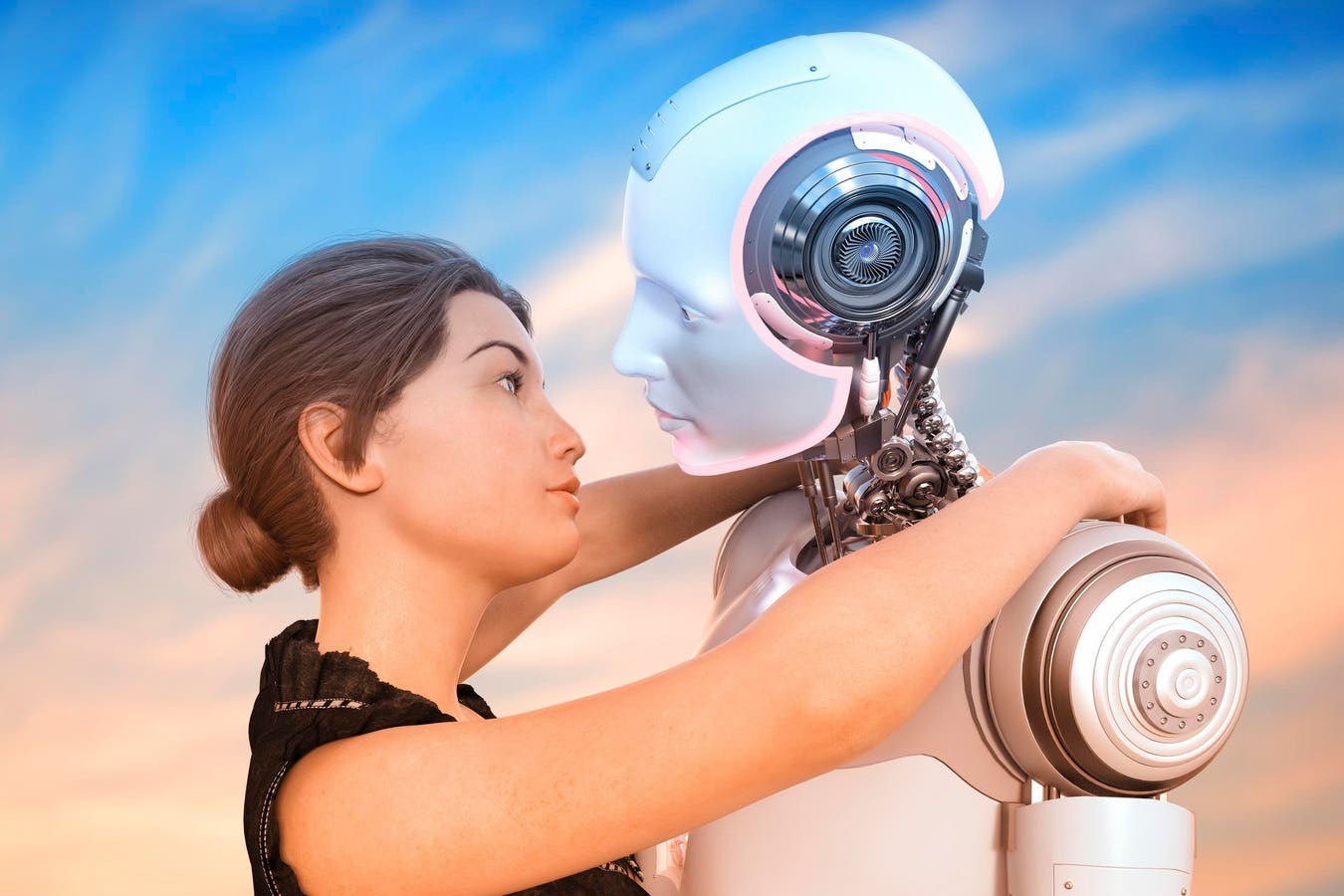
Then there is the romance angle. This is where it gets weird. Sixteen to twenty percent of adults simulate relationships with AI. Nearly three quarters of teens have tried an AI companion. Half use it regularly. It is the perfect partner. Always agreeable. Always available.
Ethics groups in the UK are sounding alarms. Internet Matters warns that kids attached to digital partners get financially exploited. You pay to keep the bot loving you. You pay for the illusion of intimacy. Adults with severe isolation are no better off. They pay for a shadow to hold their hand.
The app disappears tomorrow. The bill remains. The loneliness remains. What do you do then?
Who picks up the phone.