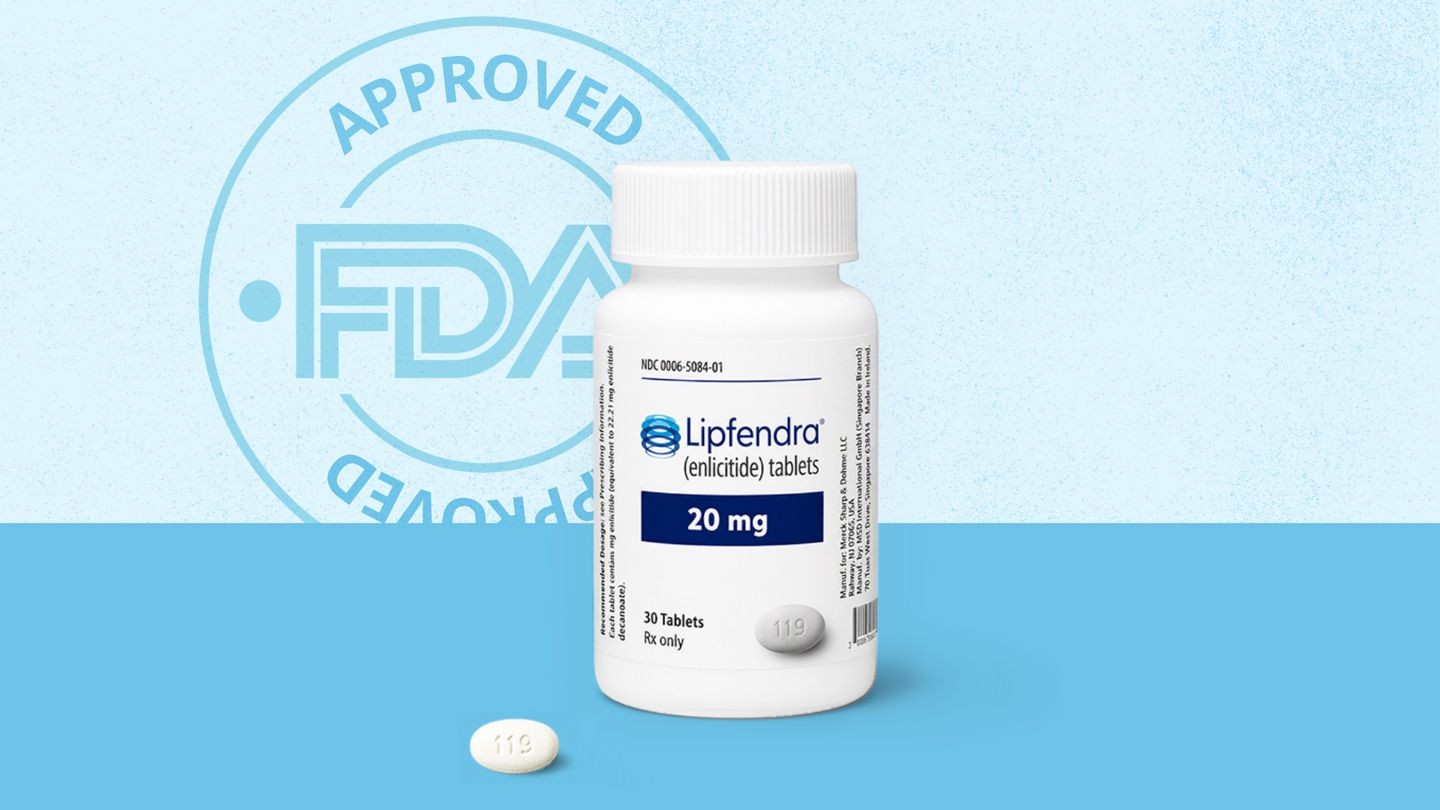
The FDA approved it. A new high cholesterol pill. It isn’t an injection. It’s not one of those expensive needles that people hate anyway. This is a tablet. Simple. Small. It offers a real alternative for the millions stuck in the injection cycle or scared stiff of needles.
Why does this matter?
Most high-cholesterol treatments right now are brutal. Either you take a daily statin that might leave your muscles aching or you switch to a GLP-1 style injectable that costs a kidney per dose. The new approval changes the geometry of the conversation. You can swallow your progress now.
But here is the rub. The pill works, yes, but it doesn’t erase the other stuff you do all day. It doesn’t magically fix the diet or the lifestyle gaps. It’s just the medicine. The rest? That’s still on you.
What Is High Cholesterol Anyway?
It’s a silent thing. Cholesterol doesn’t announce itself with fireworks. It sits in the blood. It coats the arteries like bad plaque in an old pipe. Nobody notices until something pops. Or clogs.
We tend to think of cholesterol as just “bad.” But the body actually needs some. The issue is when there’s too much LDL—low-density lipoprotein. That’s the clogged pipe guy. The goal is to keep it low without turning into a rabbit who only eats carrots.
“Most people treat cholesterol like a personal failure when it’s often just biology meets environment.”
So the new pill fits into that biology part. But don’t forget the environment part. That’s the daily grind. The breakfasts you skipped. The late dinners you ate.
Eating Your Way Out of Trouble (Mostly)
Dietitians wish people knew the basics better. They probably wish everyone knew that skipping breakfast actually messes with your lipid levels. Eat early or don’t. But skipping it creates a swing that hurts more than helps.
Breakfast timing matters. Late dinners hurt your lipid profile too. The body isn’t designed to process a feast right before bed. It turns that dinner into stored fat and bad lipids instead of energy.
Drinks matter. Believe it or not, there are five or so drinks that might help lower cholesterol. It’s not magic potion stuff, but consistent intake helps.
Snacking is where people slip up. You need the right kind.
- Popcorn? Yes. But make it yourself. Air-popped. Not the cinema bucket.
- Whole grains. Six types of whole grains show real promise for lowering those numbers.
- Medium-Chain Triglycerides. Find these in specific foods. They behave differently in the gut.
- Psyllium husk. Keep your calm and take this. It’s an old trick but it works like a broom in the gut.
- Snacks. There are seven types of snacks that actually fit. Most commercial ones do not.
And if you want to gain weight without blowing your cholesterol up? That is possible. Healthy weight gain requires protein and fiber. Not just extra calories. Just bad calories make you heavy and sick.
The Test Game: Fasting and Anxiety
You take the test. You worry about the number. Did that jog this morning mess it up? Did that piece of bread do it?
Vigorous exercise right before the test can definitely mess with the results. The blood gets confused. The numbers go up artificially. Rest before you test. It’s counterintuitive. We think moving good = good results. Sometimes, for a test, sit still.
Fasting is still required for most lipid panels. Don’t cheat it.
Then there’s the triglyceride debate. Triglycerides vs Cholesterol. How are they different?
One is a fuel store. One is structural. One rises with carbs. The other rises with saturated fat and genetics. People get them confused. High triglycerides can happen in skinny people. Yes, really. If your diet is sugar-heavy and your body stores fat internally even if the mirror lies.
Cutting out bread might lower triglycerides for some. For others? No change. It’s genetic lottery meets metabolic reality.
And margarine. How do you pick? Look for the plant sterols. Ignore the “spreadable” nonsense. You want structure in your heart health, not squishiness.
Who Needs Meds Anyway?
This brings us to the statin question. How young is too young to start them?
There isn’t one number. It’s complex. Five things should guide that decision: family history, current levels, inflammation markers, diet quality, and overall risk profile. Starting them at twenty is rare but happens. Starting at fifty is standard. The gap is where the anxiety lives.
The new FDA-approved pill sits in this gap too. Is it better for young people? Older? We don’t fully know yet. Real world data takes years. Lab data is fast. Life is slow.
“We treat risk as if it