Statistics anesthetize. Ten million. Five million. Big numbers blur together until they ask nothing of you. They don’t look you in the eye.
Let me introduce Sara.
She lives in Illinois. I’m using only her first name; she agreed to go on record about the healthcare machine’s worst outputs. In August 2022 Sara and her husband faced the math millions are facing right now. Adding her to his employer plan cost $600 a month. Money they didn’t have. Since he had coverage, she got blocked from marketplace subsidies. The standard gamble: stay healthy self-pay for the pregnancy hope for the best.
Then her back collapsed.
Six months pregnant. Uninsured. Cauda equina syndrome hit her—a surgical emergency at the base of the spine. Paralyzed in her own words. The MRI to confirm it? Delayed by over a day. She lay there in debilitating pain. Surgery happened. She walks today but right-leg sensation never returned. Discharge came with a catheter installed incorrectly—hospital said it was fine she said it wasn’t—back in ER two days later when it failed completely.
One memory sticks out warm amidst the trauma. Midnight during COVID her nurse held her hand. “Just to be seen like that,” she says. Hold onto that. That’s the point.
Six weeks later 33 weeks along. Preterm labor. Airlift to Chicago. Emergency C-section under general anesthesia not for medical necessity but because her spine surgeon and OB team never communicated about epidural safety. Missed her daughter’s first moments due to departmental silence. Baby spent 44 days in NICU. Insurance arrived only after a job change. Bills totaled near $500k.
2023 bankruptcy filed.
January this year her three-year-old died from a home accident. Not the hospital’s fault but the intensive care bills came anyway. Current debt hovers around $300k including recent medical expenses. You can’t declare bankruptcy twice in ten years. So the collector calls get ignored. Financial assistance requests vanished into hospital silence both times. “They make trying to do the right thing complicated.”
June brought another collapse. Simple movement turned her body against itself again. Doctor ordered lumbar MRI Insurance denied it. “Try physical therapy.” A 14-cm uterine fibroid from a previous CT sat unnoticed uncommunicated. Pain climbed. ER visit one. Pain meds sent home. ER visit two. Steroids plus pills. Home again. By visit three she had four ultrasounds two MRIs two CTs. Zero diagnosis. Untouched agony.
Four hours in on that third visit doctors prepared more pain medication discharge orders. Sara said the magic words. The threat that moves mountains. Told the doctor sending her home meant suicide attempt with those pills.
Psychiatric watch instantly. Two hours later she got the abdominal CT she needed. Appendicitis confirmed. Internal perforation walled off surgeon called it worse than imaging showed. Removal that night.
Think about that sequence.
Repeated precise reporting of pain. Three years learning patient-speak. Nothing worked. Voice a self-harm risk suddenly everything moves. This isn’t a care system anymore. Risk management apparatus with clinic decorations attached.
“I can advocate or take care of myself,” Sara explained. “Not both.” Nobody should make that choice.
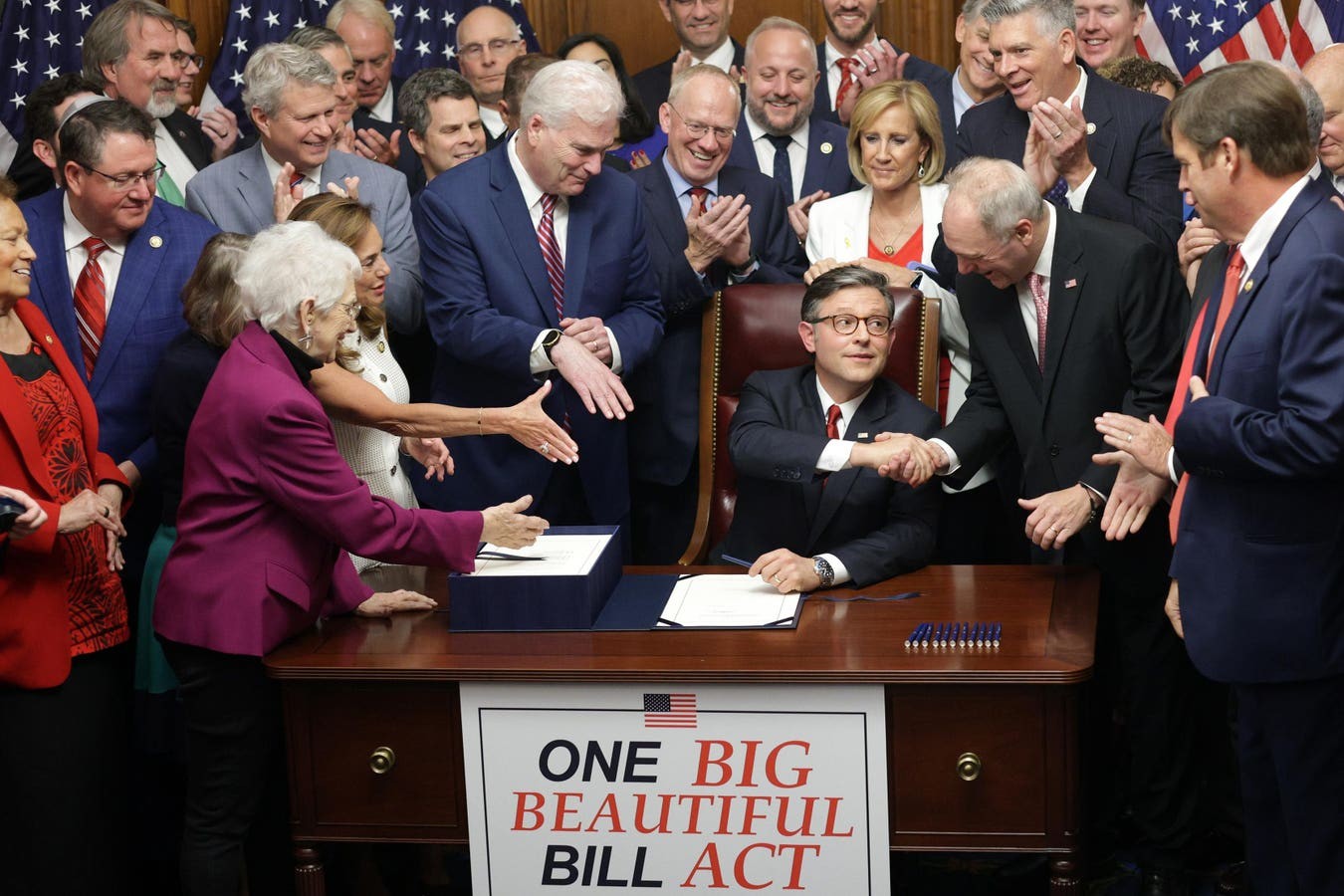
Why share this now? H.R. 1 passed exactly one year ago. The CBO projects roughly ten million additional Americans will lose Medicaid by 2034. Don’t even count the millions losing enhanced marketplace subsidies as they expire. Kitchen tables everywhere are doing Sara’s 2022 calculation. Most get lucky. Some don’t. Their bodies break. Scans get deferred. Calls go unanswered.
I run a health plan. I’ve been inside this industry two decades. Complicit doesn’t feel right but true. The temptation for my colleagues is seeing “ten million” as forecasting data—bad debt reserves network strain—instead of humans. Numbness gets manufactured by distance dashboards quiet daily decisions treating people like stats because stats demand less effort.
Hung up gave Sara Undue Medical Debt’s info. Nonprofit buys retires debt for pennies. Most useful thing I did this week? Probably. Shouldn’t be necessary needing a columnist’s contact for help with appendectomy bills.
Sara asked “Why continue using a broken system?” No good answer exists. Note the most valued memory cost the system zero dollars—a night nurse holding a hand. Being seen wasn’t billed because it was rarely provided.
Ten million more people walking into Sara’s life. We can keep calling them numbers. Or actually see them before time runs out.