It starts with the headlines. Usually something ugly. Explosive diarrhea. Parasites. Cyclospora outbreaks linked to shredded iceberg lettuce. You’re scrolling. Your stomach drops. Then the panic sets in. Can I eat the salad? Was that burrito safe?
Frank Lipman, an integrative physician, says you’re overthinking the exposure and underthinking your defense. You can’t stop bacteria from existing. You can stop them from winning.
Think of your microbiome as your body’s first line of defense. It’s not just about digestion. It’s a barrier. A biological shield.
How To Build A Resilient Against Pathogens And Bugs
Here’s the deal. A resilient gut doesn’t mean you’re bulletproof. Eat a handful of dirt, and you’ll still get sick. But the severity? That’s up to your ecosystem. Lipman explains it this way: two people eat the same contaminated meal. One gets a mild, unpleasant day. The other ends up in the hospital. The difference isn’t the pathogen. It’s the resident army waiting at the door.
The gut holds about 70% of your immune cells. That’s the majority. Most people think of the throat or nose as the immune gateway. Wrong. It’s the digestive tract. A diverse community of good bacteria crowds out the bad stuff. They produce compounds that make it harder for invaders to take hold. It’s simple physics. Occupied territory stays occupied.
So why do some people get hammered while others shrug it off? Diversity. If your gut has a rich mix of bacteria, they’ve likely already faced off with similar microbes. They recognize the enemy. They fight faster.
Why Your Gut Microbiome Matters More Than You Think
It’s not just a wall. It’s a training ground. Immune cells hanging around the intestinal lining get their instruction there. Lipman points out a critical tension: the immune response needs to be strong enough to kill a foodborne pathogen but calm enough to avoid constant inflammation. Inflammation is the trap. Chronic inflammation opens the door for sickness.
The key? Short-chain fatty acids. These are byproducts of fermentation. They nourish the cells lining your gut. Strong lining equals strong barrier. Toxins don’t slip through. Pathogens don’t enter the bloodstream.
This isn’t a crisis response. You don’t start fixing your gut when you have the runs. Resilience is daily. It’s built by what you eat when you feel fine.
5 Ways To Fortify Your Internal Defense
If you want a resilient gut microbiome, you have to feed the right bacteria and starve the wrong ones. It sounds simple. It’s mostly tedious.
- Eat every plant you can find. Not just green stuff. Purple. Red. Orange. Fiber is the food for your microbes. Different fibers feed different bacteria. More variety means more diversity. Aim for 30 plants a week. Or however many you can tolerate without regret.
- Add fermented foods to every day. Yogurt. Kefir. Kimchi. Sauerkraut. Miso. These contain live cultures. They introduce beneficial microbes directly into the mix. Don’t heat them too much. Heat kills the good stuff.
- Cut the ultra-processed crap. Lipman is blunt: unnecessary sugar and highly processed foods feed the wrong bacteria. The kind that causes chaos. Minimize these. Not zero. But minimize.
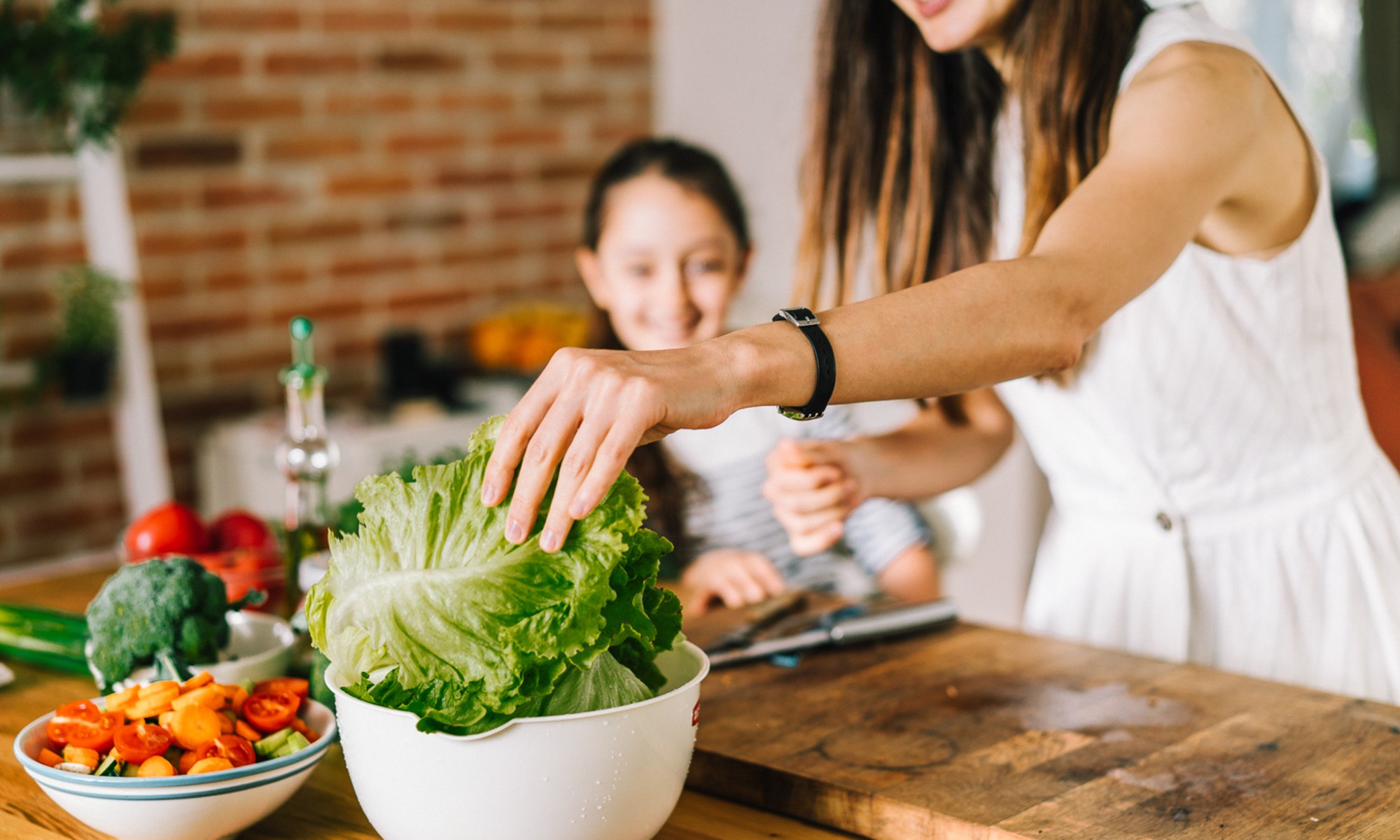
- Wash and cook your food. A resilient gut can handle more, but don’t be stupid. Wash your lettuce. Cook your meat. Good hygiene reduces the initial load your immune system has to fight. You still have to clean your knife.
- Manage your stress. Cortisol isn’t just in your head. It hits the gut hard. It breaks down integrity. Dehydration makes it worse. Stress and dryness are gut health’s kryptonite. Hydrate. Breathe. Sleep.
Does A Healthy Gut Prevent Foodborne Illness Completely?
No. Absolutely not. That’s a dangerous idea. If you believe your kefir stash makes you immune, you’ll make a mistake. Exposure still matters.
Currently, investigations are ongoing regarding potential Cyclospora links to lettuce from Mexico at certain Taco Bell locations. It’s murky. The investigation is active. Don’t guess. If you feel vulnerable, avoid the risk. But know that your diet dictates your baseline risk.
Which foods boost immunity fastest? Fiber.
How to reduce symptom severity? Diversity and fermentation.
Is stress a gut issue? Yes. Directly.
There’s no magic pill. There’s just consistent, boring choices that compound over time. You might feel fine today. You’ll thank yourself in August.
Resilience isn’t a destination. It’s what happens when you feed the microbiome every single day.
You won’t know if it worked until the next outbreak. Until then. Eat the kimchi.