



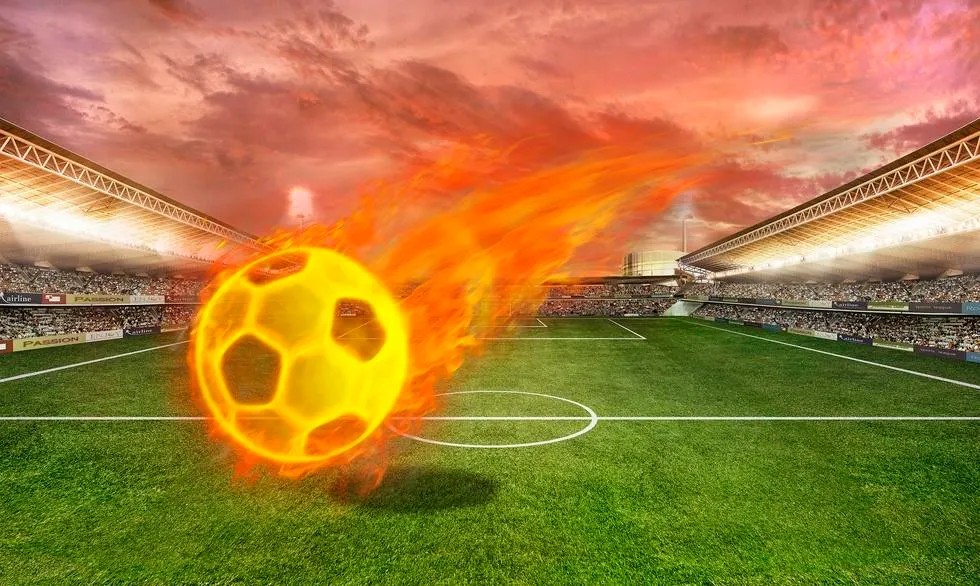
Финал Чемпионата мира по футболу ФИФА пройдет в районе Нью-Йорка/Нью-Джерси 19 июля 2024 года. Стоп, дата неверная. 19 июля 2026 года. Это Ист-Ратерфорд. Самая масштабная футбольная игра в истории. Но в воздухе висит проблема. Не игрок. Не судья. Дым.
Лесные пожары бушуют на западе США и Канады. Они не остаются на месте. Дым движется на восток. Он окутывает Северо-Восток. Небо окрашивается в оранжевый цвет. Индексы качества воздуха (AQI) взлетают в зону «Опасно». Вот главный нюанс: у ФИФА, похоже, нет запасного плана.
Риски для здоровья от PM2.5 при лесных пожарах
Возможно, вам кажется, что дымка — это лишь досадная неприятность. Это не так. Это химический коктейль. Речь идет о мелкодисперсных частицах — конкретно о PM2.5. Это частицы размером менее 2,5 микрона. Это крошечный размер. Достаточно малый, чтобы обойти естественные защитные механизмы легких. Они проникают глубоко в ткань легких. Часть попадает в кровоток.
Ситуация усугубляется. Это не просто пыль. Это озон. Диоксид азота. Углекислый газ. Летучие органические соединения. Токсичная смесь.
«Загрязнение воздуха является четвертым по значимости фактором глобального риска смертности».
Д-р Абер Берри, директор отделения неинвазивной кардиологии в больнице DBC Huron Valley-Sinari, не стала ходить вокруг да около. PM2.5 — это наиболее изученный загрязнитель в контексте кардиоваскулярных рисков. Исследования, опубликованные в New England Journal of Medicine, предполагают, что дым от лесных пожаров на самом деле более токсичен, чем обычное городское загрязнение. Он содержит более высокие концентрации воспалительных химических веществ.
Представьте эффект на уровне клеток. Дым от лесных пожаров заставляет иммунные клетки реагировать в пять раз интенсивнее, чем на обычный городской смог. Это не погрешность округления.
Д-р Мохаммед Ало из Университета штата Огай дает перспективу данных. Кратковременное воздействие — даже в течение нескольких часов или дней — повышает риск инсульта, сердечной недостаточности и аритмии на 1–2% при каждом увеличении концентрации PM2.5 на 10 мкг. Долгосрочное воздействие усиливает этот эффект еще больше. Не существует безопасного нижнего порога.
Почему профессиональные спортсмены сталкиваются с более высокими рисками
Кажется контринтуитивным. Спортсмены в хорошей форме. Они resilient. Верно?
Нет. Они, пожалуй, самые уязвимые.
Вспомним финальный матч Чемпионата мира. 90 минут. Возможно, 120 с учетом овертайма. Игроки пробегают от 10 до 14 километров. Когда вы достигаете пиковой нагрузки, ваша минутная вентиляция — количество воздуха, которое вы вдыхаете в минуту, — может увеличиться в десять раз по сравнению с отдыхом на диване.
Таким образом, в то время как средний фанат вдыхает загрязненный воздух, профессиональный игрок вдыхает его в десять раз больше.
Канадская академия спорта и медицины говорит однозначно. Интенсивные физические нагрузки при плохом качестве воздуха резко увеличивают вдыхаемую дозу вредных частиц.
Каковы результаты?
- Ухудшение функции легких.
- Воспаление дыхательных путей.
- Эндотелиальная дисфункция (проблемы с кровеносными сосудами).
- Аритмии.
Для спортсмена, выкладывающегося на пределе, чтобы выиграть трофей, это может означать приступ астмы. Или, в худшем случае, сердечный приступ в прямом эфире.
А что насчет болельщиков? Стадион Нью-Йорк/Нью-Джерси вмещает более 82 000 человек. Представьте 80 000 людей, сидящих на открытом воздухе. Пожилые фанаты. Дети. Люди с астмой. Беременные женщины. Американская кардиологическая ассоциация называет эти группы особенно восприимчивыми к PM2.5. Даже здоровые взрослые люди испытывают раздражение горла, головную боль и кашель, когда AQI превышает 150. Экологическое агентство США (EPA) рекомендует отменять мероприятия на свежем воздухе, если индекс превышает 200 («Очень опасно»).
Как ФИФА может смягчить риски, связанные с дымом
У ФИФА есть меню выбора. Ни один из вариантов не выглядит красиво.
-
Перенос игры : Перемещение финала в Даллас или Лос-Анджелес мгновенно очистит воздух. С точки зрения здоровья? Высший уровень. Логистически? Кошмар. Контрактные и финансовые барьеры огромны. Перенос крупнейшего спортивного события на планете в сжатые сроки — это не кнопка, которую можно просто нажать.
-
Использование купола : Крытый стадион с системой фильтрации HVAC резко сокращает воздействие. Проблема? Выбранная арена открытая. Вблизи нет сопоставимого крытого стадиона. Поэтому это, вероятно, все равно означает смену места проведения.
-
Носить маски N95 : Спортсмены могут носить респираторы. Маски N95 фильтруют более 95% твердых частиц. Группы спортивной медицины рекомендуют их для тренировок в условиях задымленности. Но будет ли Месси носить такую маску в финале? Будут ли болельщики? Систематические обзоры показывают, что маски увеличивают воспринимаемое усилие, снижают поглощение кислорода и затрудняют дыхание. В матче, решаемом за доли секунды и способностью задерживать дыхание, это disadvantage может стать разницей между победой и поражением. Кроме того, маски не задерживают озон или газообразные загрязнители.
-
Отложить матч : Подождать от 24 до 48 часов. Это кажется наиболее прагматичным решением. Ветер сменится. Дым уйдет. Погода изменится. Арена останется. Зрелище сохранится. Риск для здоровья снизится. Крупные спортивные мероприятия уже откладывали игры из-за гроз или экстремальной жары. Или вулканического пепла, что ли?
Отсрочка дает ясность. Она уважает науку. Американское тораксологическое общество и Американская кардиологическая ассоциация согласны: изменять активность на свежем воздухе при ухудшении качества воздуха.
Является ли это разовой проблемой?
Не стоит ставить на то, что это больше не повторится. Изменение климата — это уже не боковая тема. В сезоне лесных пожаров в Канаде в 2023 году качество воздуха в Нью-Йорке поднялось выше 400. Это «Опасно». По любому определению. Это произошло до Чемпионата мира. Это произойдет снова после.
ФИФА несет обязательство. Моральное. Если не контрактное. Им нужны четкие пороги. Не импровизация в день матча. Предварительно определенные триггеры. Мониторинг AQI. Если он пересекает линию X — предупреждения. Линию Y — распространение масок. Линию Z — задержка матча. Перенос, если абсолютно необходимо.
Ожидание до начала матча, чтобы угадать, что делать — это не планирование. Это игра с легкими. Это ставка сердец на направление ветра. Игра требует большего, чем надежда. Ей нужен реальный ответ на риски качества воздуха для финала Чемпионата мира.