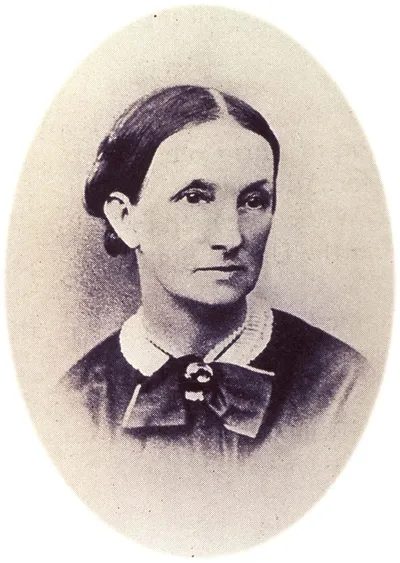
Born in West Grove, Pennsylvania, in 1813, Ann Preston didn’t just ask for a seat at the table. She built the table.
She spent her life fighting for the right of women to learn, practice, and teach medicine. This wasn’t a hobby. It was a structural dismantling of the barriers that kept half the population out of science.
Preston came from a Quaker background. That community valued education for women in ways most of America didn’t. But she didn’t stop there. She got involved in abolition and temperance movements. Those causes opened her eyes to the body itself. She started studying physiology and hygiene. She taught Latin. She taught classes to other women who wanted to understand how the human machine worked.
By 1847, she was an apprentice in a Philadelphia physician’s office. Two years later, she had the skills. She also had a gender that the system refused to accept.
Four medical colleges turned her away. All of them.
She didn’t break. She adapted.
Breaking Barriers at the Female Medical College
In 1850, a new door opened. The Female (later Woman’s) Medical College of Pennsylvania established its first class. Preston entered. She graduated in 1851.
She didn’t stop studying. She kept pushing her knowledge further. By 1853, she was appointed professor of physiology and hygiene.
The victory was short-lived.
In 1858, the Board of Censors of the Philadelphia Medical Society effectively banned women physicians from public teaching clinics. No clinics meant no clinical experience. No clinical experience meant no real doctors.
Preston realized that if the gatekeepers wouldn’t let women in, they would have to build their own house.
She raised funds for a women’s hospital affiliated with the college. A board of women managers took charge. She was one of them. They planned the operation.
Then the Civil War started. The college closed in 1861.
But the hospital didn’t. It opened that same year. The medical college reopened the next year under a new charter.
Building Institutions When Institutions Closed You Out
Preston wasn’t done building.
In 1863, she worked with Emeline H. Cleveland, the chief resident of the Woman’s Hospital. They established a training school for nurses. This wasn’t just about care. It was about professionalizing the field for women.
By 1866, Preston became the first woman dean of the college. She kept the role. She kept her professorship. She held both positions until she died.
The war wasn’t just political. It was logistical. It forced a restructuring that eventually benefited everyone.
By 1868, something shifted. Under Preston’s leadership, students from the Woman’s Medical College were admitted to leading general clinics in Philadelphia. The walls didn’t crumble all at once. They were chipped away, piece by piece, until the door swung open.
The resistance was fierce.
The following year, other medical colleges and hospitals sent remonstrances. Individual doctors complained. They wrote angry letters. They tried to pull the rug out from under her.
Preston didn’t yell. She wrote.
She published a classic argument in the Philadelphia newspapers in support of women physicians. It wasn’t a plea for pity. It was a defense of competence.
She died in Philadelphia on April 18, 1872.
Her work didn’t end with her breath. It ended with a precedent. A woman could study. A woman could practice. A woman could teach.
The system is still fixing the cracks she forced open.