





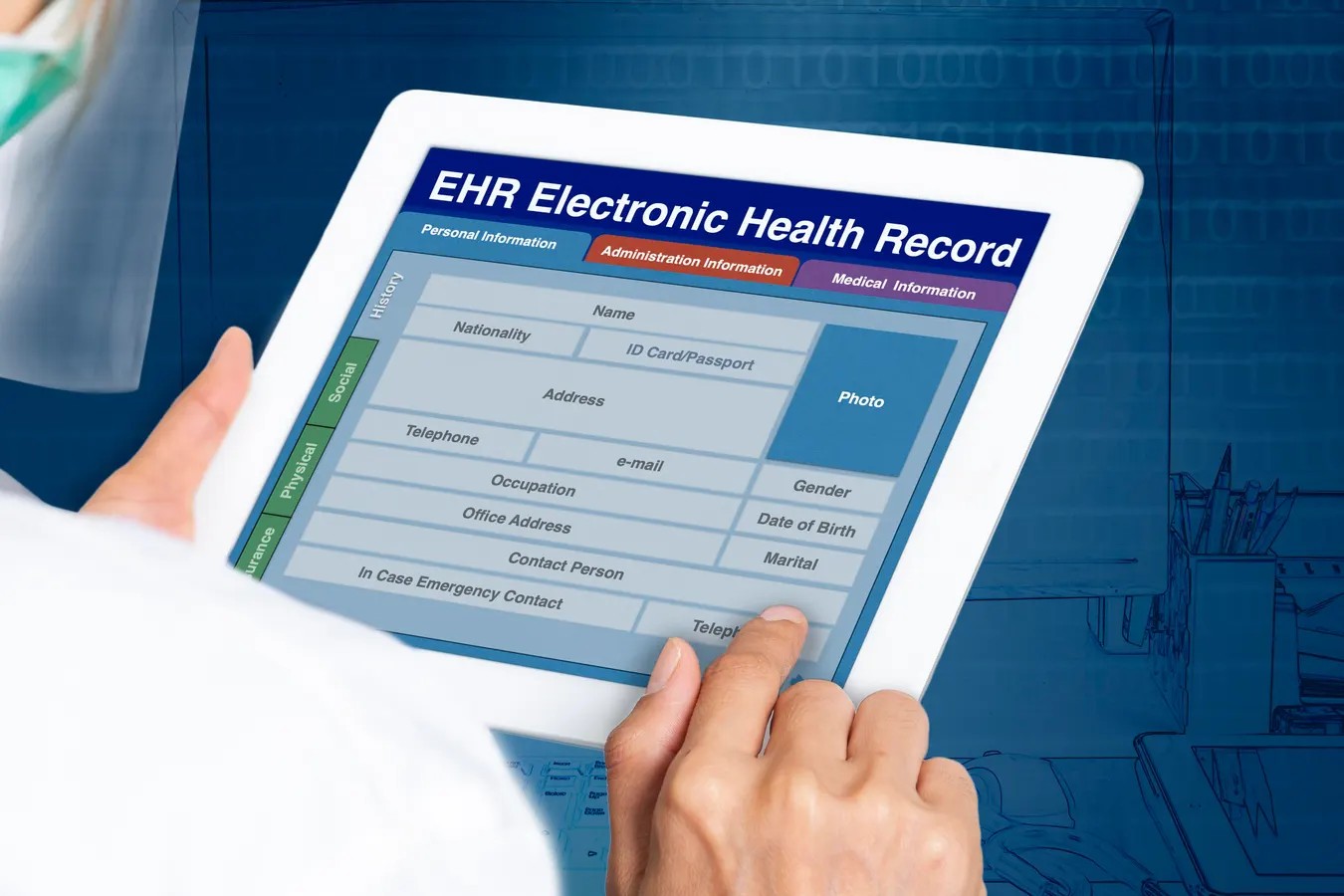
Нещодавно знову приймав пацієнтів. Не називатиму клініку. Це не має значення. Проблема повсюдна.
Ви знаєте про це. Я знаю про це. Ми говоримо про це роками.
Але правда: це не новий збій у системі. Це її робочий стан. Ми називаємо це “кліковим розростанням” (click creep).
Навколишнє сcribing не врятує нас
Погляньмо на нову блискучу іграшку. Навколишні ІІ-секретарі (ambient AI scribes). Вони слухають ваш візит і чернеть нотатку. Їхнє завдання — виправити втому від документування.
Теоретично, так.
Насправді? Ви можете автоматизувати написання тексту, але потонути в кліках. Це дві різні речі. У вас може бути найрозумніший ІІ-помічник у світі, але ви все одно витрачатимете більше часу на натискання кнопок, ніж на розмову з пацієнтом.
То як же насправді накопичується цей хаос? Це не зловмисно. У цьому є пастка.
Кожне окреме додавання здається розумним саме собою. Запит ще одного скринінгового питання. Обов’язкове поле показника якості. Пропозиція «наступної найкращої дії», яка виглядає клінічно виправданою на папері.
Ніхто з них не є ворогом. Ворог – це стос.
Складіть досить індивідуально виправданих кліків разом, і ви отримаєте щось колективно невиправдане. У результаті ви отримуєте поля, які не спроектувала жодна людина і які ніхто не розуміє. Обсяг стає неосяжним.
І стає гірше, тому що все це має властивість накопичуватися.
Втома від кліків реальна. Клініцисти перестають кликати осмислено та починають кликати рефлекторно. Ми просто «пробиваємо» екран. Дані, які ми так старанно збираємо, перетворюються на сміття. Низька надійність. Низька цінність.
То що нам робити? Ми будуємо обхідні шляхи. Копіюємо-вставляємо старі нотатки. Використовуємо «розумні значення за промовчанням», щоб пропустити вперед. Створюємо складні механізми для збирання інформації, яку ніхто насправді не читає.
Іронія в тому, що я керую організацією. Повинен зізнатися: ми ігноруємо більшу частину даних, які ми збираємо.
Ми додаємо поле. Ніколи не перевіряємо, чи використовує його будь-хто. Десь між добрими намірами у раді директорів та щорічним звітом про відповідність вимогам ланцюжок рветься. Ми збираємо дані, але втрачаємо сенс.
Пацієнти теж втомилися
Це не просто проблема вигоряння лікарів. Вона проникає у вашу вітальню.
Я нещодавно був у свого головного лікаря. Перш ніж я навіть встиг сісти, мені вручили п’ять сторінок запитань. Багато хто з них був новим. Дехто повторювався.
Візит пройшов чудово. Ми говорили про те, що важливо. Про мій тиск. Про сон. Про життєвий стрес.
Майже жоден аспект цієї розмови не позначився цих п’яти сторінках.
Документація провалила прийом. Прийом не провалив документації. Але це виглядало саме так.
Ефект храповика
То як вирішити проблему Великої Чистки?
Нам потрібна purge (чистка). Свідоме, агресивне скорочення полів, що ви просите заповнити.
Але не можна просто рубати з плеча в ЕМК. Потрібно зрозуміти, чому вона стала такою заплутаною із самого початку.
Клікове розростання – це не випадковість. Це храповик.
Кожне поле у вашій електронній медичній карті було додано кимось, хто вважав це за необхідне. Майже ніхто, хто додає поле, не має влади його забрати. Додати легко. Видалити – політично складно.
Вартість додавання поля розмита. Розповсюджується між тисячами кліків тисяч лікарів. Три секунди тут, дві там. Ніхто окремо не відчуває болю.
Видалення складне, тому що потрібно, щоб хтось встав і сказав: «Ми в безпеці без цього».
У більшості лікарень ніхто не відповідає за це завдання. Тому тріскачка обертається тільки в одному напрямку: вгору. Більше даних. Більше кліків. Більше шуму.
Менеджмент замість технологій
Велика чистка — це не стільки технологічна проблема.
Це проблема менеджменту.
Не зрозумійте мене неправильно. ШІ навколо вас стане тільки розумнішим. Так і повинно бути. Але кращі інструменти на додачу до поганого управління створюють лише більш рафінований хаос.
Комп’ютер не вирішує, що вас запитати. Люди вирішують. Це означає, що люди можуть вирішити припинити запитувати.
Справжнє очищення кліків вимагає повноважень. Нам потрібен хтось із явними повноваженнями видаляти поля, так само як ми надали кожному неявні повноваження їх додавати.
Ми повинні розглядати кожне поле як пасив, доки не буде доведено, що воно є активом. За замовчуванням вимкнено. Змусити команди обґрунтувати, чому має виникнути проблема. Вивести з експлуатації тих, хто не може цього зробити.
Ось суворе правило, якого ми повинні прийняти: Якщо ми не використовуємо дані, не збирайте їх.
Звучить просто. Це незручно.
Тому що це змушує нас визнати, що багато з того, що ми записуємо, є марнославством. Це театр для акредитації, а не лікування пацієнтів.
Ціна за клік
Кожна коробка, на яку я клацаю і яку ніхто не читає, є маленькою крадіжкою.
Це краде час. Зокрема, це краде секунди, які я витрачаю на те, щоб слухати людину переді мною.
Помножте це на одного лікаря. Потім на тисячу. Потім на всю країну.
Ви отримуєте систему охорони здоров’я, яка чудово документує та дедалі гірше звертає увагу.
Ми не можемо автоматизувати вихід із цієї ситуації. Найкращі ноти не повернуть втрачених моментів. Виправлення вимагає мужності. Слід сказати, що дані, які ви можете зібрати, не варті тієї ціни, яку ви мусите заплатити.
Храповий механізм може повертатися в інший бік. Але тільки якщо ми вирішимо припинити його обертати.