
The concept of eating to lose weight is compelling. But can you truly burn more energy by digesting specific foods than those items provide in fuel? That is the promise behind the theory of negative calories. It suggests that some foods require so much metabolic effort to break down that they result in a net energy deficit. The reality, however, is far more nuanced. Let’s look at what the science actually says and examine five foods often claimed to fit this category.
How the Theory Works
At its core, the negative calorie theory relies on the thermic effect of food (TEF). This is the energy your body expends to digest, absorb, and eliminate nutrients. Protein, for instance, has a high TEF because your body works harder to process it. Carbohydrates and fats have lower TEF values.
Proponents argue that for certain low-calorie, high-fiber foods, the TEF exceeds the caloric content of the food itself. In theory, this creates a “negative” balance. But does it work in practice? Most nutritionists say no. The energy required to chew and digest vegetables is real, but it is rarely high enough to offset the calories consumed. You might burn 20 calories digesting a cup of celery, but if the celery itself contains 10 calories, the net gain is still positive. The math simply doesn’t support a true negative outcome for any whole food we eat.
“The thermic effect of food is real, but it is rarely high enough to create a true caloric deficit from a single food item.”
5 Foods Often Cited as ‘Negative Calories’
Even if the theory is flawed, some foods are exceptionally good for weight management. They are low in energy density and high in volume. Here are five that frequently appear in these discussions.
1. Celery
Celery is the poster child for negative calories. It is mostly water and fiber. A stalk contains roughly six calories. Chewing it requires effort. Digestion takes time. But do you burn more than six calories processing it? Unlikely. The net gain is minimal, not negative. Still, its high water content makes it filling. It displaces higher-calorie snacks.
2. Cucumber
Like celery, cucumbers are hydrating and light. They contain mostly water and a small amount of fiber. The digestive cost is low. The caloric content is also low. You could eat a significant volume of cucumber without ingesting many calories. This helps with satiety. It tricks the stomach into feeling full. But again, the thermic effect does not outweigh the intake.
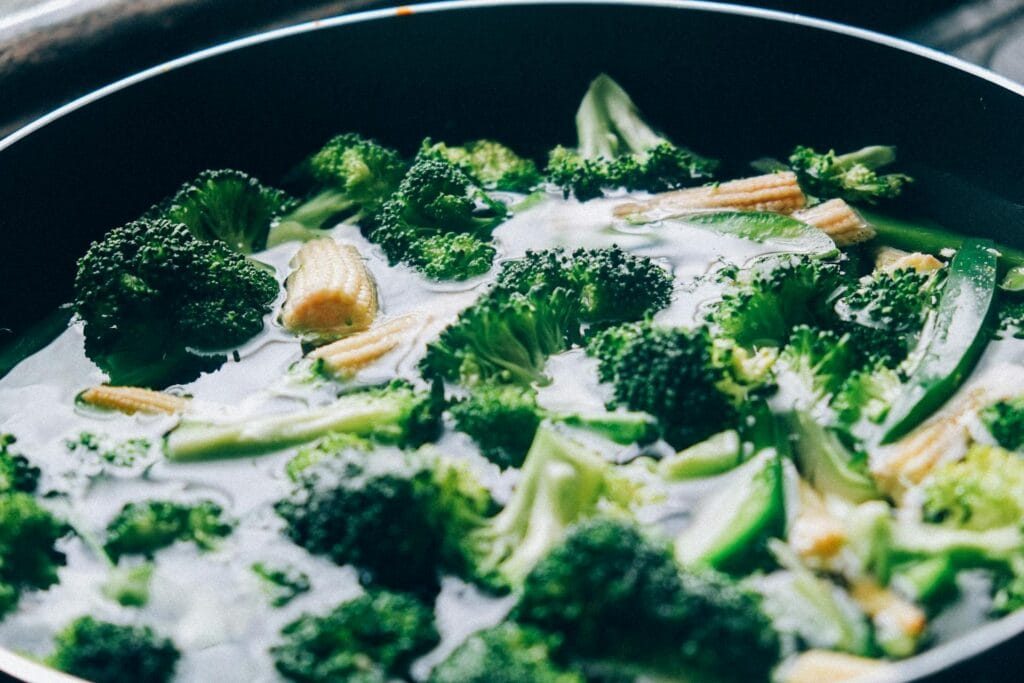
3. Broccoli
Broccoli is a cruciferous vegetable. It is dense in fiber and nutrients. Your body struggles more with broccoli than with cucumber. The fiber content increases the TEF slightly. You chew longer. You digest slower. But broccoli still provides calories. Roughly 55 calories per cup. The energy cost of digestion is a fraction of that. It is a healthy choice, but not a calorie burner.
4. Grapefruit
Grapefruit has gained fame for its potential role in weight loss. Some studies suggest it may help regulate insulin levels. This can reduce fat storage. The fruit is also acidic. This acidity might slow digestion slightly. But the

The idea behind “negative calorie” foods is straightforward, even if the science behind it is murky. The theory suggests that some foods require more energy to digest, absorb, and metabolize than the food itself provides. In this scenario, eating certain items would theoretically burn more calories than you take in, leading to weight loss. This concept hinges on a high thermogenic effect—the body expending energy to process what it consumes.
Most nutrition experts remain skeptical. While these foods are undeniably low-calorie, claiming they create a net calorie deficit through digestion alone is still debated. What is clear, however, is that these foods are packed with fiber, water, and micronutrients. They are excellent for a balanced diet, promoting fullness and health, even if the “negative calorie” label is more myth than metabolic law.
Here are five foods often cited in this conversation.
Celery: The Poster Child for Negative Calories
Celery consistently tops the list when people discuss negative calorie foods. It is roughly 95% water. A 100-gram serving contains only about 16 calories. It also provides vitamin K and potassium.
Proponents argue that the mechanical effort of chewing and the subsequent digestive process burns more energy than those 16 calories provide. While the math might not work out perfectly for everyone, celery is certainly a low-energy-density food that won’t spike your intake.
Cucumbers: Fresh and Hydrating
Cucumbers share celery’s high water content, clocking in at about 96% water. They are incredibly light, offering just 12 calories per 100 grams.
These summer vegetables are perfect for salads or snacks. They also work well infused in water for a refreshing, non-caloric drink. Their structure requires some work to break down, adding to the digestion time, though likely not enough to offset their minimal caloric load significantly.
Lettuce: A Staple for Low-Calorie Diets
Lettuce leaves are a fixture in weight-loss plans for a reason. With only 15 calories per 100 grams, they add volume to meals without adding significant energy.
They are high in fiber and water, which slows digestion. This promotes satiety, helping you feel full longer. That’s a practical benefit, regardless of whether the net calorie count dips into the negative.
Citrus Fruits: Low-Calorie and Vitamin-Rich
Citrus fruits like grapefruit, lemons, and oranges are frequently grouped into this category due to their low calorie count and high fiber content.
Consider grapefruit: it holds about 42 calories per 100 grams. It is widely recognized for its appetite-suppressing qualities and potential role in regulating metabolism. The fiber and water content create a sense of fullness, making it a strategic choice for those managing their weight.
Broccoli: Nutrient-Dense and Low-Calorie
Broccoli is another heavyweight in the realm of diet foods. Just 34 calories per 100 grams, yet it is dense in fiber, vitamin C, vitamin K, and antioxidants.
Its composition boosts satiety while keeping calories low. The tough cellular structure of cruciferous vegetables requires more enzymatic activity to break down, which may contribute to a higher thermic effect of food. It’s a smart addition to any plate, proving that low-calorie doesn’t have to mean low-nutrient.
The Truth About Negative Calories: Why the Math Doesn’t Add Up
The idea that you can eat yourself thin by consuming “negative calorie” foods is seductive. It promises an easy loophole in the rigid laws of thermodynamics. The reality is far less glamorous. The theory lacks robust scientific backing. You will not burn more energy digesting a stalk of celery than the food provides. The math simply does not work out that way.
Yet, dismissing these foods entirely would be a mistake. Items like cucumbers, lettuce, citrus fruits, and broccoli are undeniably low in calories. They are also packed with nutrients. They offer a different kind of value—one rooted in satiety rather than metabolic magic.
Why Low-Calorie Density Matters More Than Negative Math
The confusion often stems from a misunderstanding of how the body processes food. The thermic effect of food (TEF) is real. Your body expends energy to break down, absorb, and store nutrients. Protein has the highest TEF. Fats and carbohydrates are lower. But for most vegetables, the energy cost of digestion is a fraction of their total caloric content. You might burn ten calories digesting a vegetable that contains twenty. That is a net gain of ten calories. Not a loss.
This does not make them bad choices. It makes them smart choices. These foods are rich in water, fibers, and vitamins. They take up space in your stomach without adding significant energy. Fiber slows digestion. Water adds volume. This combination keeps you full for longer periods. You eat less overall because your body feels satisfied sooner.
Which Foods Fit This Profile?
Several common vegetables and fruits fall into this low-calorie, high-volume category. They are not magic bullets. But they are effective tools for weight management.
- Celery: Often cited as the poster child for negative calories. It is mostly water and fiber. Crunchy. Satisfying to chew. But still contains small amounts of natural sugars.
- Cucumbers: Over ninety-five percent water. Very low energy density. Excellent for hydration.
- Lettuce: A base for salads. Adds bulk and texture without adding caloric weight.
- Citrus fruits: Lemons and limes. High in vitamin C. Low sugar compared to tropical fruits.
- Broccoli: A cruciferous vegetable. Higher in protein and fiber than leafy greens. Requires more energy to chew and break down than softer vegetables.
How to Use Them for Health Goals
If you are looking for how negative calorie foods can aid weight loss, the answer lies in substitution. Replace calorie-dense sides with these high-volume options. Swap a heavy cream sauce for a broth-based vegetable soup. Fill half your plate with broccoli instead of rice. You reduce total energy intake without feeling deprived.
The psychological benefit is also significant. Eating large portions of low-calorie foods can satisfy the desire for volume. You can eat a big salad and feel physically full. This helps prevent the hunger cravings that often derail diet plans.
The Bottom Line on Calorie Balance
The concept of burning more calories than you consume through digestion alone is a myth. It is too good to be true. But the underlying strategy is sound. Incorporating low-calorie density foods into your daily diet is a proven strategy for health.
These foods support a