In a lab in Hamilton, Ontario, mice are living longer than they should.
Not by much. 11 percent. But that is statistically significant.
The rodents at McMaster University are drinking a cocktail of thirty dietary supplements. It looks like something you might find in a discount pharmacy bin. The result? They are moving with an unusual spring in their step. While a control group of mice saw a 50 percent drop in physical activity over time, the supplemented group maintained their energy.
Did researchers find the Fountain of Youth?
For a mouse, yes. For a human, probably not.
The scientists themselves are quick to clarify that this specific mix is unlikely to translate directly to humans. Aging is messy. It is a natural, unpleasant fact of biological existence. We know our cells age at different rates, but the exact “why” remains open to conjecture.
It is a mix of genetics and environment. Smoking. Stress. Lack of movement.
Despite the uncertainty, the market for staying young is booming. Sales of anti-aging lotions and supplements were projected to top $291 billion by 2015. People are willing to pay a premium to hold back time.
But do these pills work?
Most of the research behind them is based on common sense rather than rigorous science. If something is depleted as we age, the logic goes, replenishing it should help.
“Our bodies, for instance, need coenzyme Q10 (CoQ10) to keep running. Because CoQ10 decreases significantly with age, it makes sense that maintaining proper levels of the substance would make us healthier.”
This logic is seductive. It is also flawed. Most anti-aging supplements have not been studied adequately. Some could even be harmful.
Most doctors agree the best way to combat aging is boring. A proper diet. Regular exercise.
Yet, we keep looking for a shortcut. Here is the first entry on the list of supplements that claim to keep you young.
Coenzyme Q10 (CoQ10)
Your body produces CoQ10 naturally. It is necessary for cells to function properly.
It helps create adenosine triphosphate, or ATP. This is the fuel that powers mitochondria, the energy-producing centers of your cells.
As you get older, your body produces less CoQ10. The result is that cells do not function as they should.
People with chronic conditions have lower levels. Parkinson’s disease. Cancer. Diabetes. Cardiovascular disease. All correlate with a drop in CoQ10.
Researchers believe supplementing might help prevent heart disease. It prevents blood from clotting. It acts as an antioxidant. This protects cells against free radicals, which can damage cells and cause heart disease.
There is also suspicion that CoQ10 may improve health for diabetics. It might help manage blood sugar. Cholesterol. Blood pressure.
You can buy CoQ10 in several forms. Soft gel capsules. Hard-shell capsules. Tablets. There is even an oral rinse for gum disease.
Cosmetic companies add it to creams. But absorption matters. Our bodies absorb soft gel capsules better than hard ones.
The recommended dosage for adults is 30 to 300 mg daily.
Side effects are rare. An occasional upset stomach is the most common complaint.
Consult your physician if you are on other medications. Interactions are possible.
Aspirin
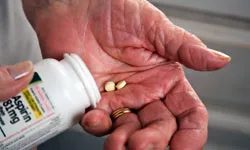
Aspirin is everywhere. It’s cheap, it’s available, and it feels like a universal fix. You take one for a headache, another for the fever, and maybe a daily low-dose to keep your heart happy. It works by thinning the blood. That’s the simple part.
One study found that men taking aspirin every other day needed fewer surgeries to fix blocked vessels. Another study suggested that taking it sixteen or more times a month cut colon cancer risk by 50%. It slows the growth of polyps. These are the precursors to the disease.
But it’s not a magic bullet. Aspirin doesn’t work the same way for everyone. Men and women react differently. And too much of it? Your stomach will pay the price. Ulcers and bleeding are real risks. You have to weigh the benefits against the damage to your gut lining.
How Carnitine Transforms Fat Into Fuel
Carnitine is different. It’s not a drug. It’s a nutrient your body makes in the liver and kidneys. It stores up in your heart, brain, muscles, and sperm. Its main job is turning fat into energy.
Some people don’t make enough of it. That’s why they buy pills. But there’s more to it than just energy.
Several studies link carnitine to reduced symptoms of angina. That’s the chest pain caused by poor blood flow to the heart. It’s a serious condition. Carnitine helps the heart muscle function better under stress.
Acetyl-L-Carnitine is a specific form. It’s popular for Alzheimer’s. The theory is that it improves memory function. It’s also marketed as an anti-aging supplement. Some research suggests it helps with depression linked to dementia.
There’s also the fertility angle. L-carnitine supplements appear to increase sperm count in men. For couples struggling with infertility, this might be a factor worth discussing with a doctor.
Dosage Depends on the Goal
There is no single dose for carnitine. It depends entirely on what you are treating.
If you are generally healthy or looking for basic support, the usual dose sits between 1 to 3 grams per day. But if you have a specific medical condition, the numbers change.
The University of Maryland Medical Research Center outlines specific ranges:
- Angina and heart failure: 1.5 to 2 grams per day
- Peripheral vascular disease: 2 to 4 grams per day
- Diabetic neuropathy: 3 grams per day
- Male infertility: 300 to 1,000 mg taken 3 times daily
- Chronic fatigue syndrome: 500 to 1,000 mg taken 3 to 4 times per day
Heart disease patients are often advised to take between 600 to 1,200 mg three times a day. That’s 1.8 to 3.6 grams. It adds up quickly.
Fish Oil: The Omega-3 Debate
Fish oil comes from the tissues of oily fish. It’s packed with omega-3 fatty acids. These are the Eicosapentaenoic acid (EPA) and Docosahexaenoic acid (DHA). Your body needs them. It can’t make them.
The heart benefits are well-documented. EPA and DHA lower triglycerides. They reduce inflammation. They might also lower blood pressure slightly.
But the headlines are mixed. Some studies say fish oil prevents heart attacks. Others say it does nothing. The difference often comes down to the source. Wild-caught fish have different profiles than farmed ones. The supplement industry struggles with standardization.
For brain health, the evidence is weaker. DHA is crucial for developing brains. In adults, it might slow cognitive decline. But the proof is not as solid as it
Fish Oil: Doses, Dangers, and Dosage
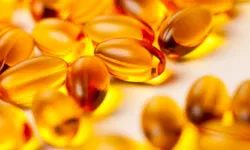
Omega-3 is the heavy lifter in fish oil. It’s a fatty acid that doctors have long pointed to as a shield for the heart. For patients already dealing with coronary heart disease, the evidence suggests it can lower the risk of sudden death. There is also a strong case for its ability to slash high triglyceride levels. These are fats in the blood that hang around cholesterol, creating a sticky mess that clogs arteries.
Older adults often turn to fish oil for eye health. The goal? To slow the decline from glaucoma or macular degeneration. Science is clear on one thing: your body does not make omega-3. It has to come from food or a pill. Eating fish is the traditional route. Taking a supplement is the shortcut.
There are tangible benefits beyond the heart and eyes. Omega-3 reduces inflammation. That means less pain and less swelling in the joints. It also thins the blood slightly, which prevents clots from forming too easily.
But there is a flip side. More is not always better.
Taking too much fish oil can make your blood run like water. That increases the chance of bleeding, even from minor cuts. High doses might also weaken your immune system. Suddenly, your body struggles to fight off common diseases. And if you are on birth control pills, be aware. Fish oil can interact with them, potentially reducing effectiveness.
The dosage matters. Fish oil usually comes in soft gel capsules. If you are trying to lower high triglycerides, doctors typically recommend 1 to 4 grams a day. High blood pressure patients might need the full 4 grams.
Depression treatment is a different beast. Some studies suggest fish oil helps here, specifically when combined with anti-depressants. The dose? A massive 9.6 grams a day. That is a lot of fish oil.
Human Growth Hormone and the Myth of Eternal Youth
Want to feel like a teenager again? Many people swear by human growth hormone, or HGH. It is produced by the pituitary gland. In children, it drives growth. In adults, it is touted as a fountain of youth. The logic is simple. HGH levels drop as we age. If we replace it, surely we can reverse aging.
That logic is flawed. There is no scientific evidence that HGH staves off aging. In fact, using it for this purpose puts your health at serious risk.
Synthetic HGH was developed in 1985. It was approved for children with growth disorders. Later, the FDA approved it for adults with muscle-wasting diseases, specifically those associated with HIV/AIDS. That is a medical necessity, not an anti-aging strategy.
In 2007, the Annals of Internal Medicine reviewed the studies on HGH and aging. The conclusion was blunt. Minimal benefits. Significant side effects.
The side effects are not subtle. They include diabetes. They include gynecomastia, which is the formation of breast tissue in men. Because of these risks, the government regulates the drug tightly.
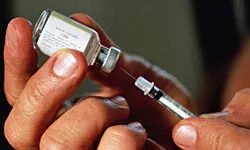
Despite the warnings, thousands of healthy Americans still inject illegal HGH every year. They treat it like a beauty treatment. Athletes use it to boost performance. How do they get it?
Corrupt doctors provide illegal injections. Or they buy it online. Anti-aging clinics peddle it. It is a gray market built on hope and misinformation.