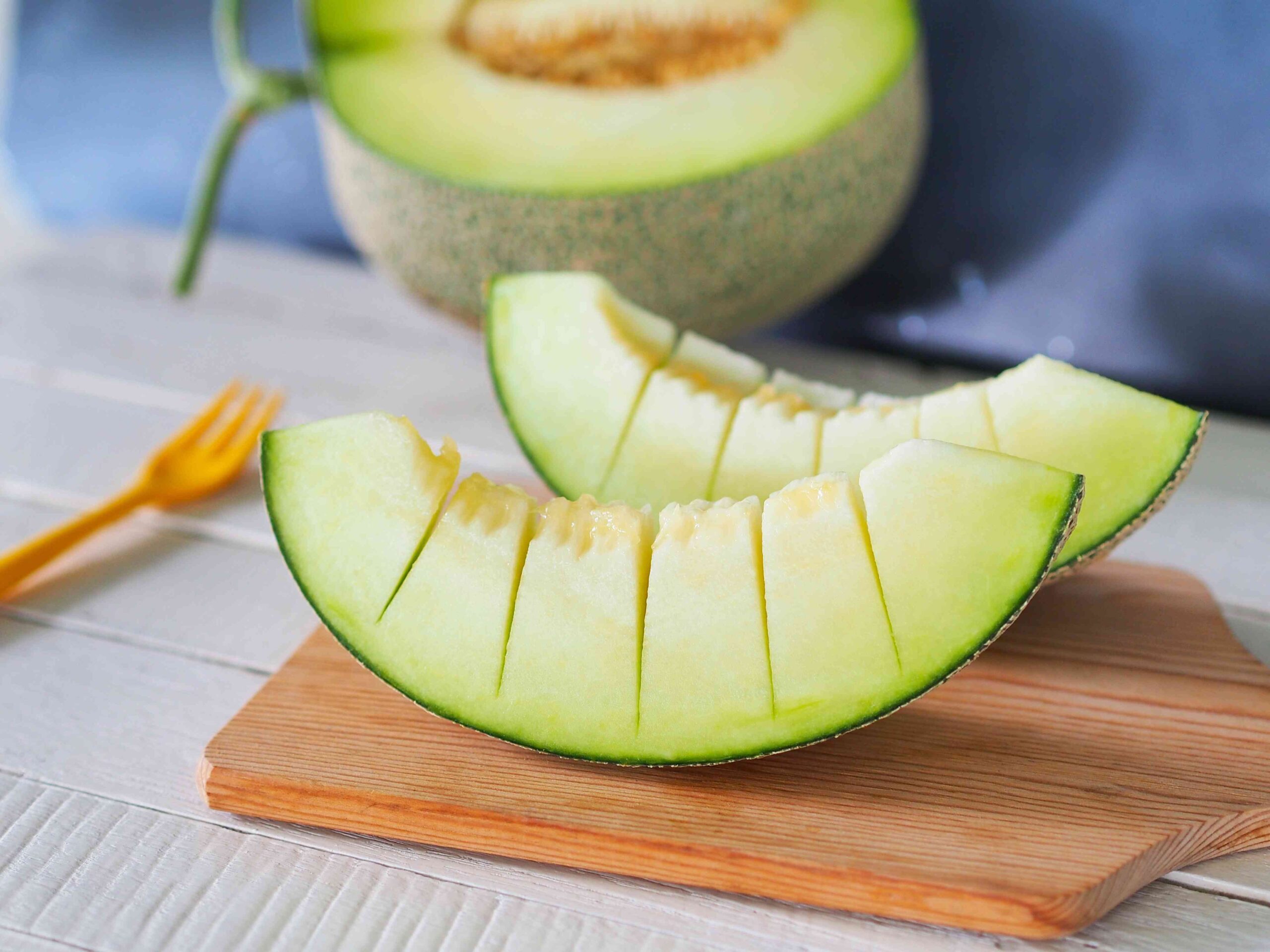
Forget the watermelon hype for a second. Honeydew is quietly doing a lot of heavy lifting in your body. It’s hydrating, it’s got antioxidants, and it won’t empty your wallet like organic kale often does.
Here is what it actually does.
Thirst Quencher, Joint Lubricant
One cup of diced honeydew is basically five ounces of water you didn’t have to drink. Which sounds weird. But it’s true. Staying hydrated prevents chronic heart and lung issues down the road. It also keeps your joints lubed up. You’re welcome.
The Immune Shield
You get a third of your daily vitamin C requirement from just one cup. Vitamin C protects cells from damage. It lowers your risk of chronic disease, too. Your immune system gets a boost, and your risk profile goes down. Win-win? Maybe.
Pressure Valve
Honeydew is low sodium. High potassium. That matters because too much sodium spikes blood pressure, while potassium helps kidneys dump that excess sodium. It also relaxes the tension on blood vessel walls. On top of that, melons stimulate nitric oxide production. This relaxes smooth muscles in your blood vessels, further lowering pressure. It’s a trifecta.
Sugar Sensei
Eating fresh fruit supports insulin sensitivity. It helps your body clear sugar from the blood. For people with type 2 diabetes, fresh fruit can actually prevent complications. And yes, death. A heavy hit, but the facts say what they say.
Bowel Movement Boss
Water plus fiber. It regulates bowel movements. It stops constipation. Honeydew brings both to the table, so your digestion stays smooth. No surprises there.
Bone Builder
It’s not just about calcium. Honeydew packs magnesium, potassium, vitamin C, and vitamin K. All of these help form and maintain bone structure. Specifically, vitamin C can lower hip fracture risk. It boosts bone mineral density in your spine and neck. Stronger bones. Better leverage.
Glow Up (Sort of)
Vitamin C regulates collagen and elastin. These give your skin its volume and shape. Low vitamin C means poor healing and inflammation. Older skin usually has less of it. Does honeydew reverse aging? Probably not. But it helps maintain what you’ve got.
Vision Keeper
Vitamin A is essential for your eyes. It creates retinal pigments that turn light into images you see. Especially important for seeing in the dark. Without enough vitamin A, vision loss is more likely. Keep the melon coming if you want to navigate a dim room later in life.
The Math Behind the Magic
Here is the nutrient breakdown for one cup of diced honeydew.
- Calories: 61.2
- Fat: 0.238g (0.31% DV)
- Sodium: 30.6mg (1.33% DV)
- Carbohydrates: 15.5g (5.64% DV)
- Fiber: 1.36g (4.86% DV)
- Added Sugars: 0g
- Protein: 0.918g (1.83% DV)
Not exactly a power house of protein, but the rest is decent.
Don’t Poison Yourself
It’s safe for most people. If you have pollen, grass, or ragweed allergies, watch out for rare melon allergies. And then there’s the bacteria issue. E. coli, Listeria, Salmonella. They hang out in the soil. Wash the melon before cutting. Use a clean board. Cross-contamination is real. It’s ugly. Don’t invite it.
“Wash melons well before cutting to prevent cross-contamination.”
How to Pick and Eat It
They don’t ripen after harvest. So you need to pick a winner in the store.
- No cracks or bruises
- Heavy for its size
- Slightly soft when squeezed
- Sweet smell
- Symmetrical shape
Eat it plain. Sure. Or get creative. Toss it in a garden salad. Dip chunks in dark chocolate. Puree it for a mocktail. Skewer it for kebabs. Blend it into cold soup.
Just store the cut stuff in the fridge. Leave it on the counter, especially in the heat, and bacteria will multiply. It grows fast. You won’t want that.
So what now? Cut a melon. Or don’t. I’ll wait. 🍈