By Ava Durgin
Former Assistant Health Editor
If “eat more veggies” was the test? I’m doing fine. But “eat chocolate with regularity”? I’m basically an Olympian.
So when research pointed a lens at cocoa again, I leaned in. Hard.
A fresh look at what sits inside dark chocolate suggests a link. Specifically, one naturally occurring compound might be touching how cells age. Not calendar age. The biological kind. The one that shows wear and tear.
How they measured it
The study came out in the journal Aging. They looked at nearly 1,70 adults from two big European groups. Blood tests. Lots of them. Checking for cocoa and coffee compounds, yes. But mostly looking for the markers of biological aging itself.
They didn’t just count birthdays. Too simple. Instead, they used molecular tools to guess how fast or slow the body was actually aging on the inside.
Biological age is different from chronological age.
One tool? DNA methylation. An epigenetic trick where genes switch on and off. They used GrimAge, a clock that’s pretty good at guessing disease risk and mortality better than a calendar ever could.
Telomere length was next. Those protective caps on chromosomes. They shrink. With age. With stress. Shorten up, and it’s bad news. Together, methylation and telomeres paint a picture. Cellular exhaustion, not just years passed.
One compound stands out
beauty & gut collagen
Our collagen gets you glowing inside out
Among the cocoa and coffee chemicals in the blood? One name kept appearing. Theobromine.
High levels of circulating theobromine linked to less epigenetic acceleration. Basically? The people had biological ages that were younger than their actual IDs suggested. Telomere lengths followed suit. A weaker signal, sure, but still there.
The kicker?
Other compounds didn’t show up. When they adjusted for related molecules, theobromine stayed linked to slower aging. The rest fell off. That specificity hints the molecule itself interacts with aging pathways directly. Or close to it.
What is it?
Theobromine. It tastes bitter. You know it. It lives in cocoa. Coffee has some too. Chemically, it cousins with caffeine. But act very differently.
Milder. No jitter rush. It doesn’t crash the blood-brain barrier like its caffeine relative. Previous work connects it to heart health. Blood vessels relaxing. Lipids looking better. Now, maybe longevity.
So, eat bars?
Not quite. Nuance. The word is important.
Observational studies show association, not causation. Maybe the slow-agings metabolize theobromine weirdly. Maybe theobromine just marks something else good, like flavan-3-oils. Maybe these folks just walk more. Or sleep better. We don’t know the driver. Just the passenger.
The takeaway: Don’t raid the candy aisle. Not yet.
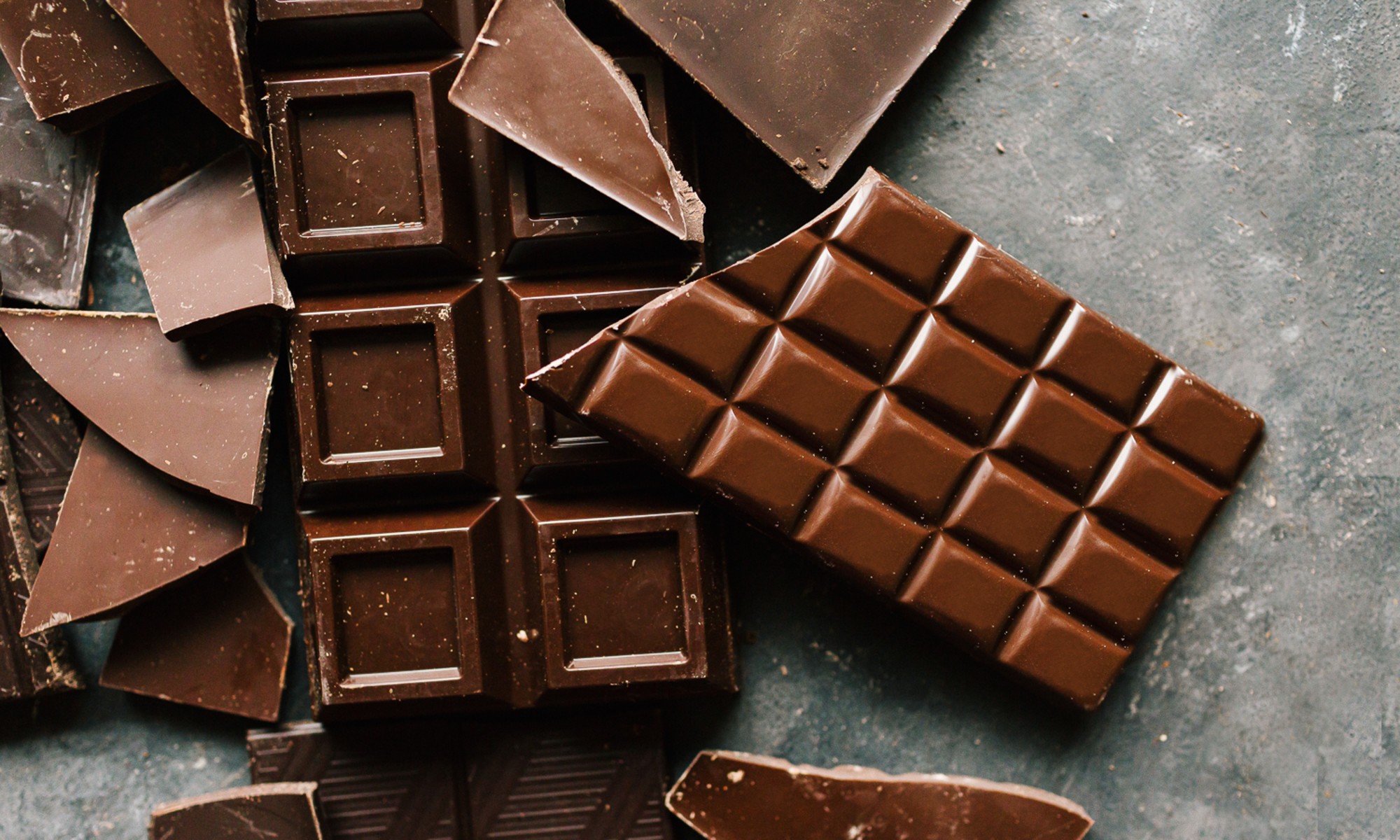
Be picky. Aim for dark chocolate. 70 percent cocoa minimum. Minimal sugar. Short ingredient lists.
Why? Higher concentration of those helpful plants. Minerals like magnesium and iron. Antioxidants called polyphenols. These feed heart and metabolic health. And those two are tied directly to how long and how well you age.
Combine that square with sleep. Movement. Stress management. Food that actually has stuff in it.
It’s a puzzle piece. A sweet one. Small, but enjoyable.