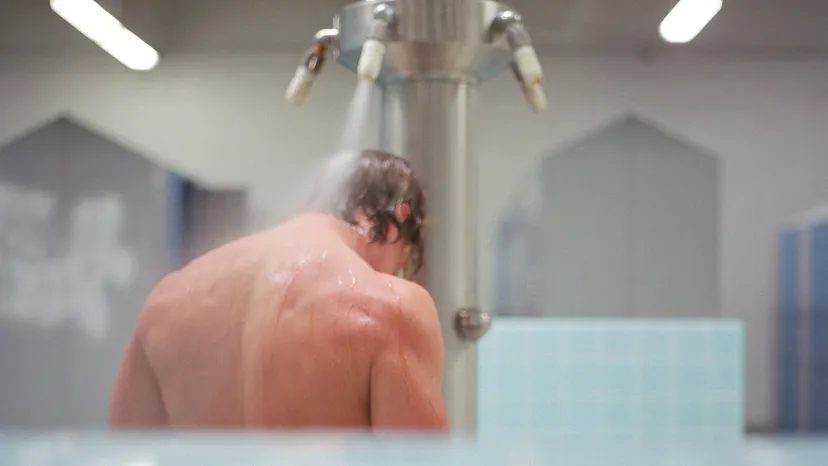
There is a specific kind of relief that comes from stepping into a hot shower after a brutal leg day. You wash away the sweat. The grime. The feeling that you have been physically dismantled. It is fresh. It is relaxing.
But not everyone showers at the gym. Some people wait until they get home. They want privacy. They hate the crowded facilities. They prefer to linger under the faucet, maybe sing along to their favorite playlist if the acoustics are good.
If you do shower at the gym, you need to know the lay of the land before you sign up. How many stalls are there? Is there a line? Do they provide towels or soap? Can you leave your wet clothes in a locker overnight?
The answers matter. Because if the gym is poorly maintained, that shower isn’t just cleaning you. It might be infecting you.
The Germs in the Locker Room
Locker rooms are warm. They are moist. They are ideal environments for bacteria and fungi to thrive.
And they are crowded. People come and go constantly. Some are carriers of illness without showing any symptoms. Skin infections are the most common danger. We are talking about boils. Impetigo. Herpes simplex. Ringworm.
An alarming one in three Americans suffers from a skin disease.
Colds and flu spread easily too. The risk skyrockets if you play contact sports like wrestling or basketball. Your skin might have tiny abrasions. Another person’s sweat can carry pathogens right into those breaks.
Even if you are just lifting weights, you are touching equipment handled by dozens of people. A thorough shower is your first line of defense.
To minimize the risk, use your own supplies. Bring your own soap. Preferably antibacterial. Bring your own shampoo. Bring your own razor. Do not rely on the gym’s dispensers.
Lather your entire body. Not just the obvious spots. Dry yourself carefully. Put fresh dressings on any cuts. Wear clean clothes.
What about the air? Covid-19 is airborne. Indoor gyms have been superspreader sites. Experts recommend ventilation. Open windows. Use air filters. Stay six feet apart.
Locker rooms are often poorly ventilated. If you must be in one, maintain that distance. Consider a mask.
The Importance of Cooling Down
You are tempted to jump under the spray. Resist.
You need to cool down for at least ten or fifteen minutes. Do not enter the shower if you are still sweating heavily. You will still be sweating when you finish. You will likely get chilled when you step out into the cold air.
Cooling down does more than prevent shivering. It allows your heart rate to return to normal. It prevents blood from pooling in your large muscles like hamstrings and quads. That pooling can make you feel light-headed or dizzy.
Start with light exercise. Jog. Walk. Then stretch. Gentle stretching focused on the muscles you just worked helps speed recovery. It avoids tightness.
You can continue stretching in the shower. The warm water relaxes muscles.
The Shower Caddy Solution
A shower caddy is a mesh bag. It holds your soap, shampoo, razor, and shave cream. You hang it from the showerhead or faucet.
It keeps your stuff organized. It keeps your stuff clean.
If you are on a budget, a large zip-lock plastic bag works. It is a do-it-yourself solution. Just make sure it is sealed.
Hot Water vs. Cold Water
Is a hot shower better? Is a cold shower better?
It is an ongoing debate.
Hot showers relax overworked muscles. They feel good. But hot water dries out your skin. It washes away natural oils.
Cold showers reduce inflammation. They can speed recovery. But they are a shock to the system.
There is truth in both. If you soap well and rinse off the sweat, either temperature works. Some people like the relaxation of heat. Others like the invigorating shock of cold.
The best compromise? Alternate.
Hot water increases blood flow to the skin. Cold water constricts surface vessels. It forces blood inward. The combo improves circulation. Going back and forth feels stimulating.
Another good choice is a warm shower. Not hot. Just warm.
One bonus of cold or alternating showers is that you use less hot water. That is good for the environment.
Does cold water kill your sex drive? No. That is a myth.
Soaking in water hotter than 102 degrees Fahrenheit for 30 minutes or more can have a negative effect on sperm count. But cold water? It does not dampen things. It just makes you shiver.
The Bottom Line
Showering at the gym is necessary for hygiene. But it is not without risk.
Bring your own supplies. Cool down first. Use a caddy. Choose your water temperature wisely.
Stay clean. Stay healthy.
2: Treat Your Feet With Care
It’s called athlete’s foot for a reason. The fungus thrives in the warm, damp environments of locker rooms and showers. If you work out regularly, you are walking through its favorite habitat.
The infection is itchy. Annoying. Hard to banish completely. And just as easy to catch again. People with naturally sweaty feet are more vulnerable, but anyone who walks barefoot in communal spaces risks it.
To avoid athlete’s foot, make wearing flip-flops or shower shoes a non-negotiable rule in locker rooms. Take them off only to soap up your feet, then put them back on immediately. You must dry your feet thoroughly. Especially between the toes. Wetness is the enemy here. Finish by putting on clean socks.
Is athlete’s foot a serious ailment? Usually no. But if it persists, spreads to your toenails, or if you have diabetes or a weakened immune system due to HIV or chemotherapy, see a doctor. These conditions turn a minor nuisance into a potential health hazard.
Curing Athlete’s Foot
Some cases resolve on their own. Most do not. Over-the-counter antifungal medicines in cream, spray, or powder form handle the rest. Treat it immediately upon spotting symptoms. This stops the spread to other parts of your body and to other people.
1: Practice Good Shower Etiquette
You are sharing space. What works at home often fails in public.
- Time limit: Ten minutes max. Especially in gyms with limited stalls.
- No socializing: It wastes time and irritates others.
- Clean up: Leave the area as you found it.
- Never pee in the shower: It’s unhygienic and disrespectful.
- Dry off: Don’t stand dripping in the locker room.
Respect privacy. Many people feel uncomfortable being naked or exposed. Don’t stare. Give space. Wrap a towel around your waist. Avoid being naked for longer than necessary.
Showering At Gym Rules FAQ
Is showering before working out good or bad?
A quick pre-workout shower cleanses skin, reducing acne risk from sweat buildup. Warm water helps lengthen muscles. In summer, a cool shower prevents core temperature from spiking too early.
Is it OK to shower when sweating?
Wait about 15 minutes after your workout. Let your body cool down. Showering while still sweating can lead to chills if you step out into cold air.
Is it OK to shower every day if you workout?
Yes. Daily showers remove excess oil, sweat, dead skin, and bacteria. Avoid washing hair daily. Skip the head under the showerhead or use a shower cap to preserve natural oils.
Can I just shower at a gym?
Yes. Many nomads and travelers use memberships for this purpose. Some gyms are cheap. You get access to showers, hot tubs, saunas, and hair dryers. Employees don’t care if you don’t use equipment, as long as you pay fees and follow rules.
Does showering at the gym save money?
Technically yes. It reduces your home water bill. The CDC says the average shower lasts 8 minutes. US showerheads use 2.5 gallons per minute. Multiply that by your local water rate. If you pay $1–$2 per shower, you could save hundreds annually.
Should you shower at the gym?
If showers exist, use them. Keep it to a 5–10 minute rinse. No urination. Clean up after yourself. Dry off before returning to your locker.